WatchSat › Blog
WatchSat Blog
Satellite news and explainers from the live satellite tracker
Top stories
-
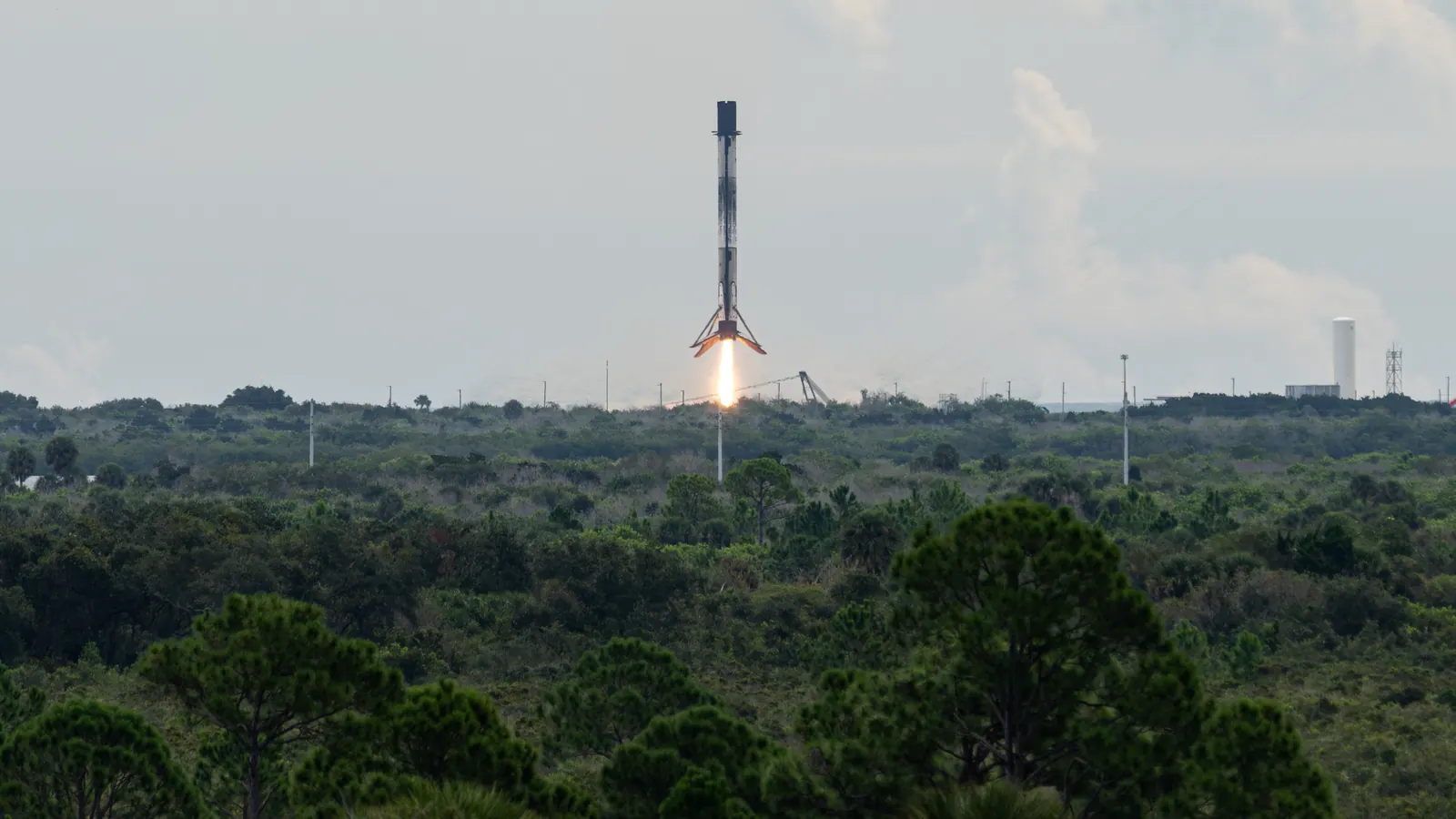
How many times can a Falcon 9 booster fly? The reuse record
Falcon 9 booster B1067 flew a record 37th time on August 25, 2026. SpaceX says its boosters are built for up to 40 flights.
-
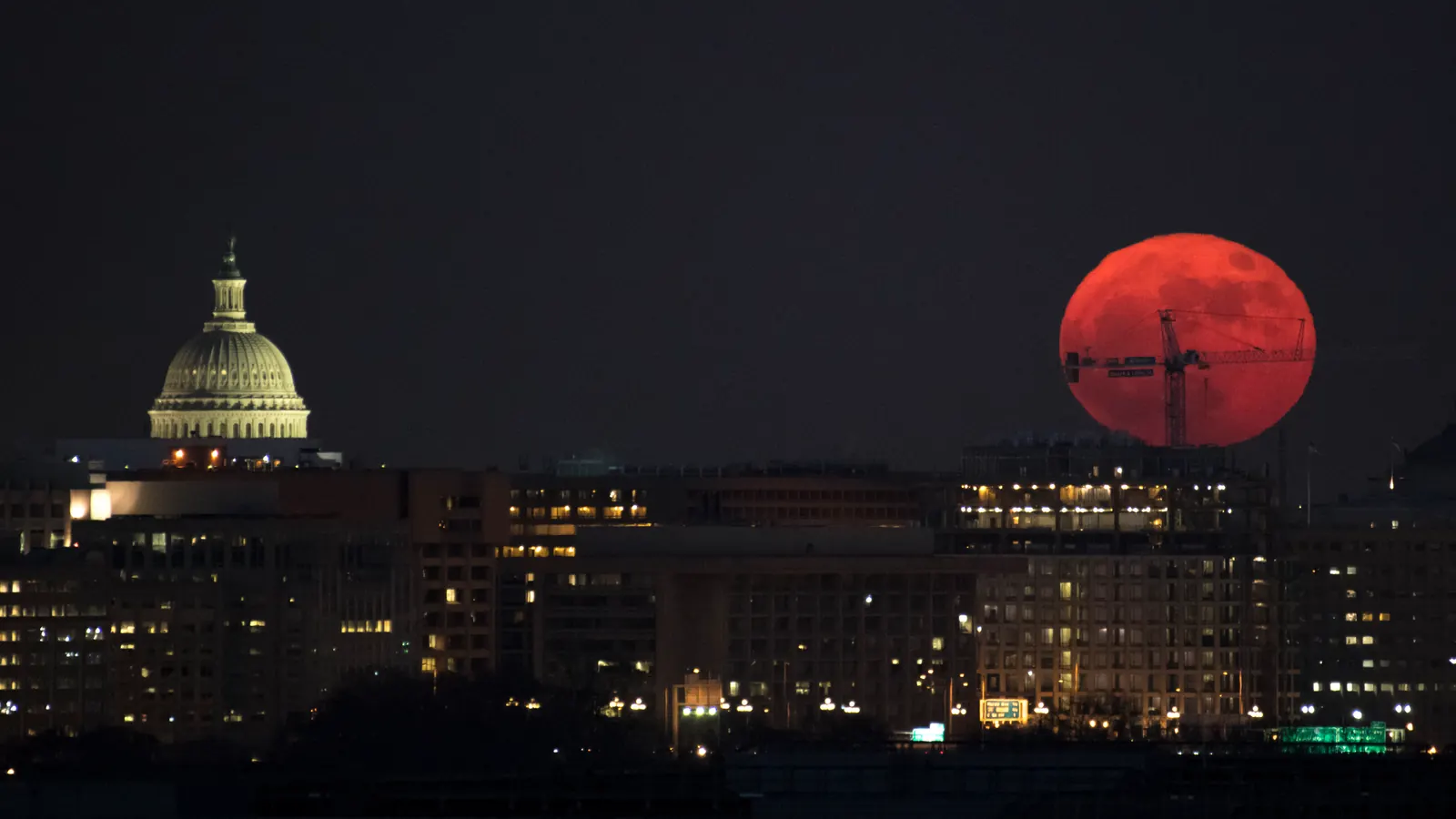
How far away is the Moon? Distance, perigee and supermoons
How far away is the Moon? 384,400 km (238,855 miles) on average. In 2026 it ranges from 356,641 to 406,407 km, closest on December 24.
-
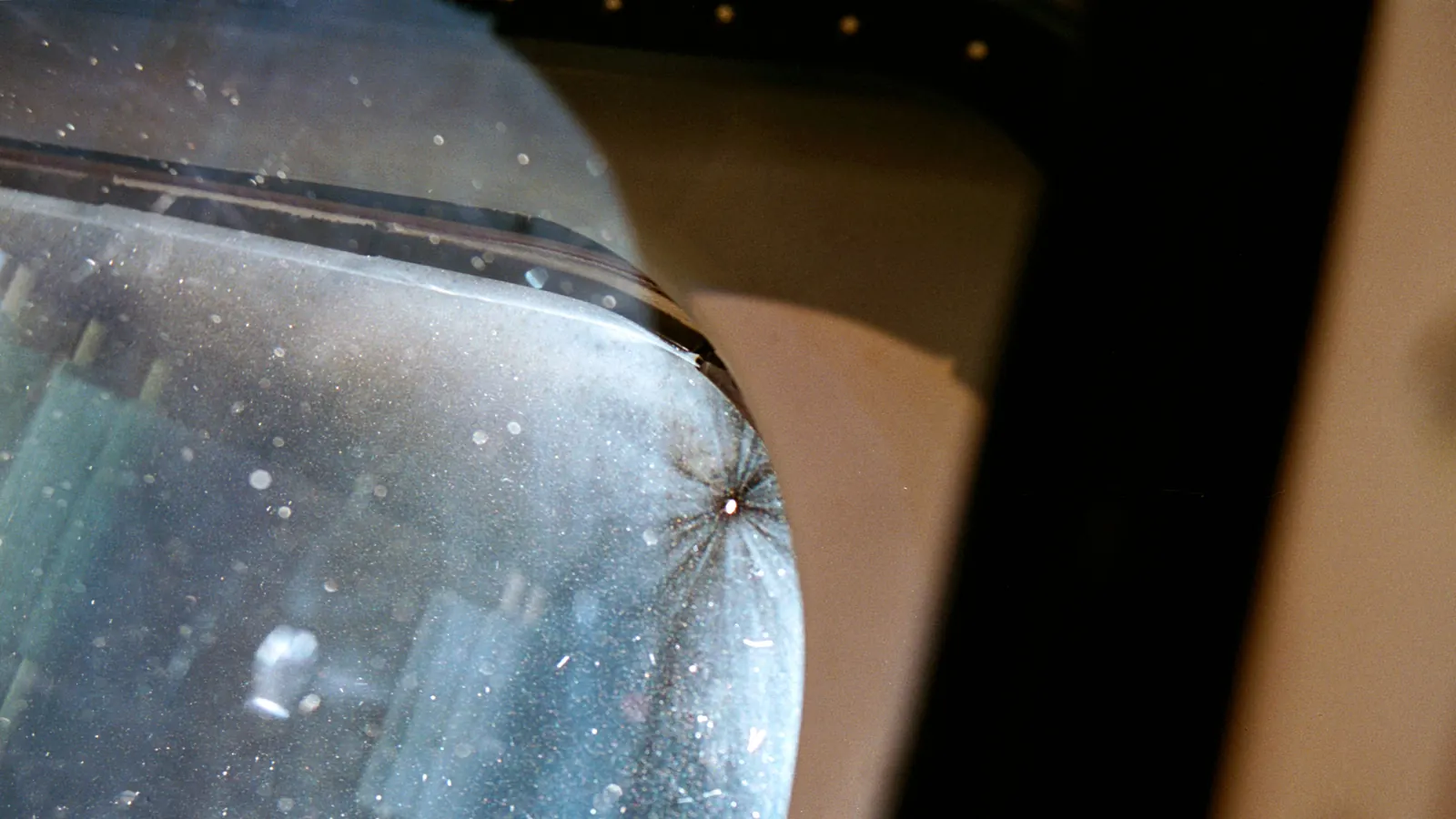
What is Kessler syndrome? How a space debris cascade works
Kessler syndrome is a runaway chain of collisions in orbit, first described in 1978. ESA's 2026 report projects low-orbit collisions climbing fast.
-
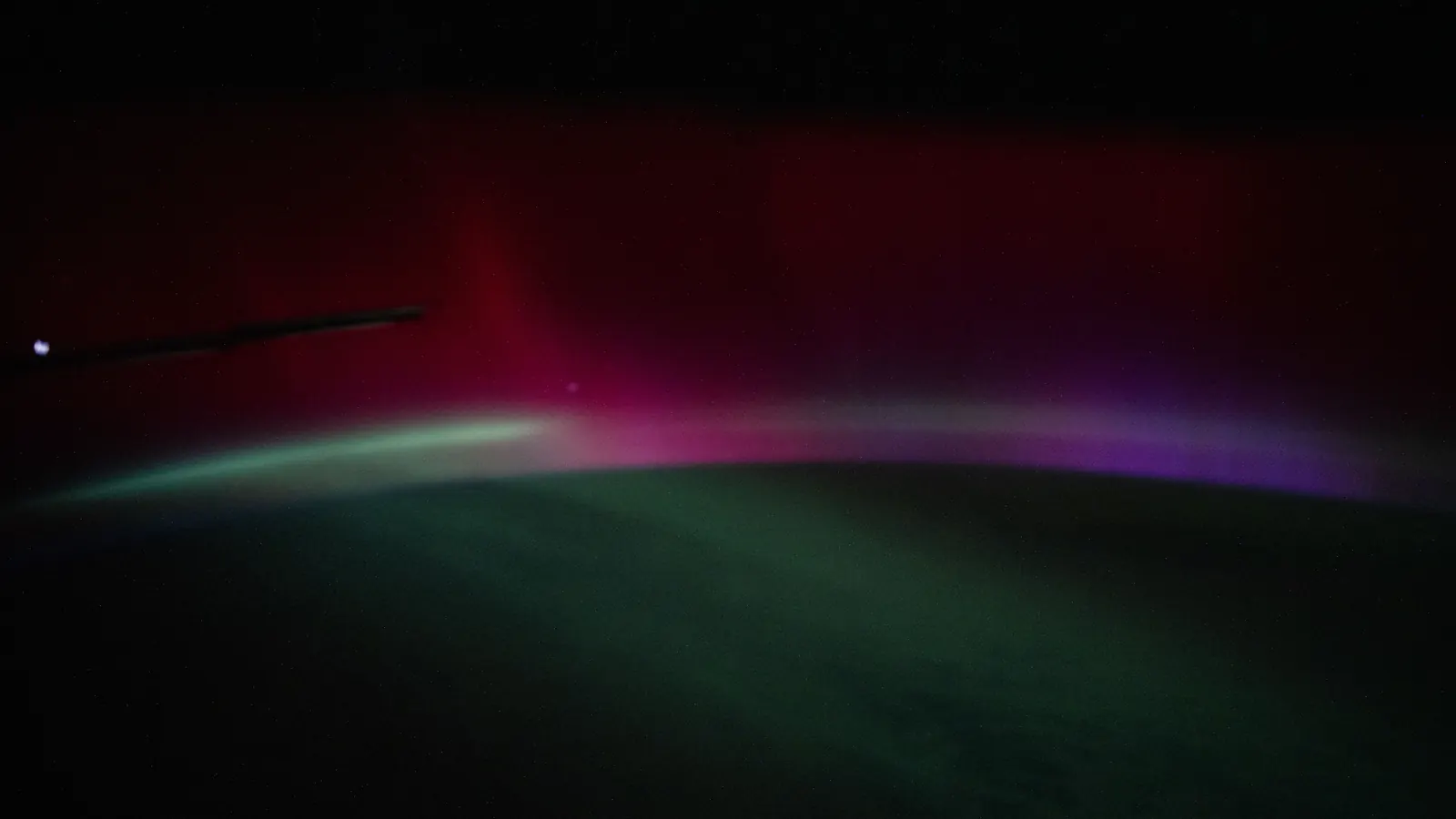
What is the Kp index? How to read an aurora forecast
The Kp index rates geomagnetic activity from 0 to 9 every three hours. Kp 5 is a G1 storm, and each step brings the aurora about 2 degrees nearer the equator.
-
Leonid meteor shower 2026: peak time, Moon and next storm
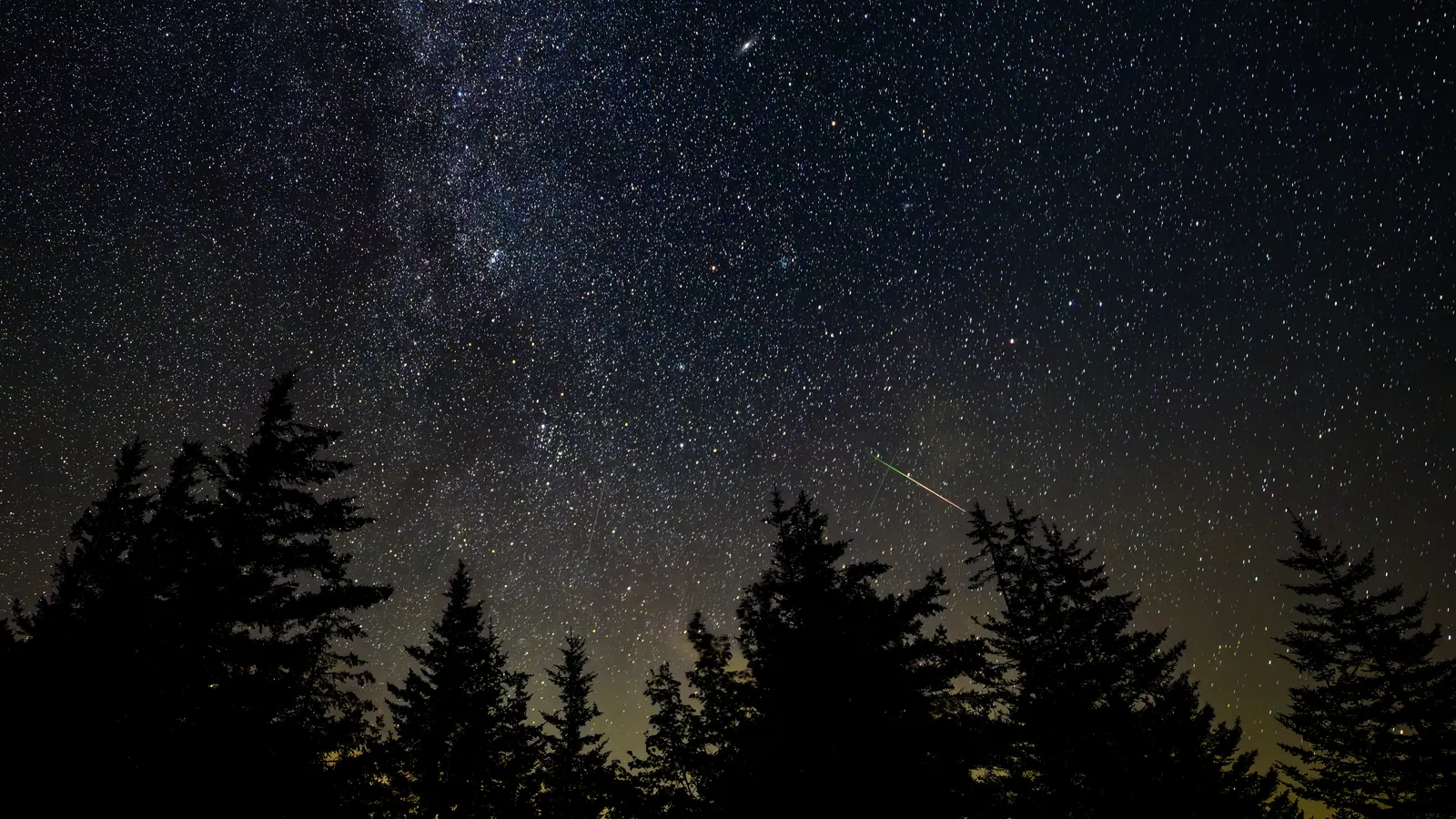
The Leonid meteor shower 2026 peaks around 23:45 UTC on November 17, at a ZHR of about 15, under a half-lit Moon that sets by about midnight.
Latest
-
When is Mars closest to Earth? 2027 date and distance
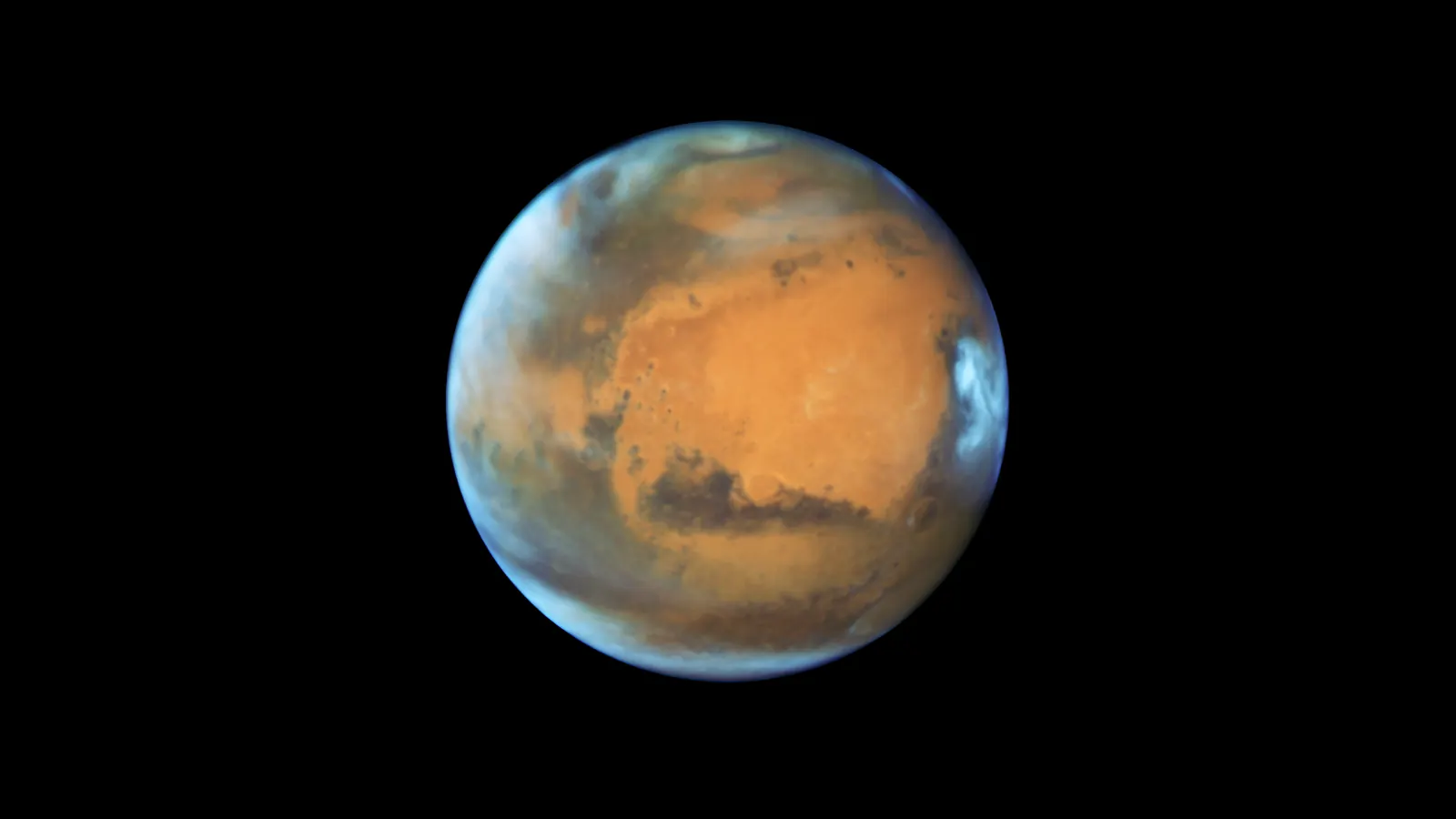
Mars is closest to Earth on February 20, 2027 (UTC), 101.41 million km away, hours after opposition. By our count it's the farthest such approach of 2001-2100.
-
What causes the northern lights? Solar wind and colors
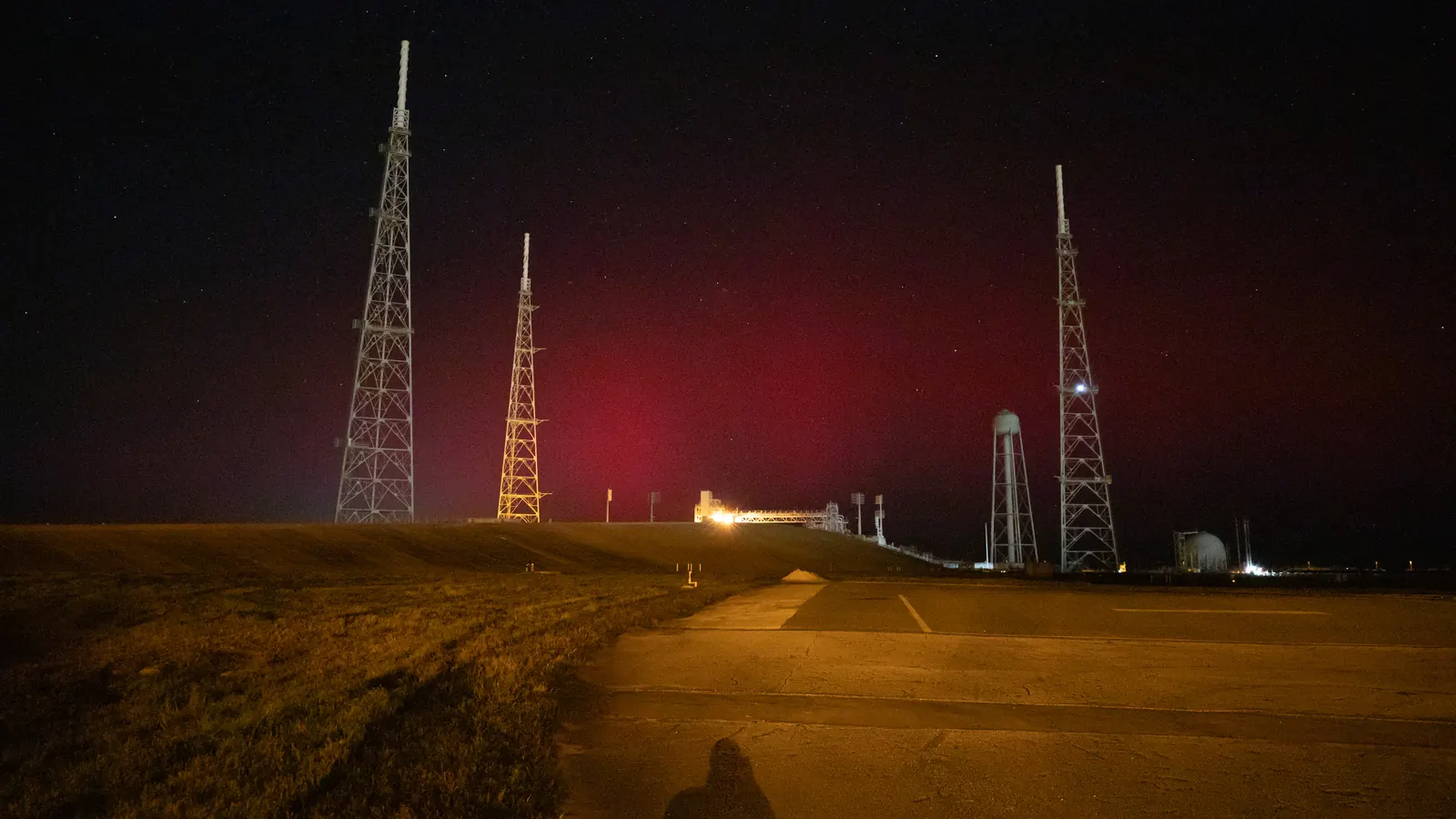
Particles from the Sun, steered to the poles by Earth's magnetic field, make oxygen and nitrogen glow mostly 100 to 200 km up. The Sun peaked in October 2024.
-
What is OneWeb? Owner, satellite count and orbits
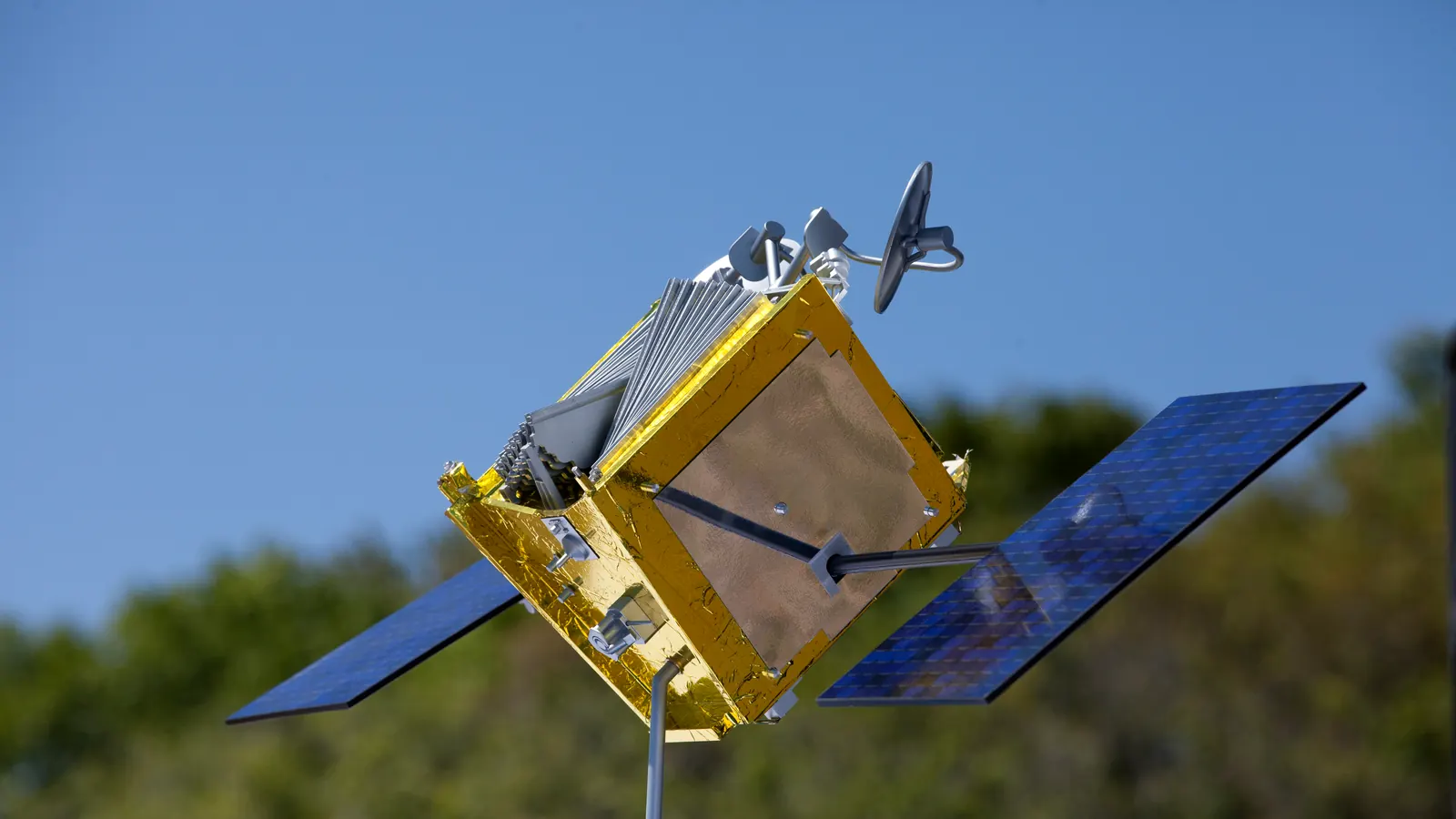
OneWeb is Eutelsat's broadband network in low Earth orbit. On October 11, 2026, our catalog held 651 OneWeb satellites, about 1,200 km up in 12 planes.
-
What is SpaceX Starship? Size, engines and flight record
SpaceX Starship is a two-stage rocket, 124.4 m tall, built to be fully reused. Its 14th flight reached orbit on September 28, 2026.

-
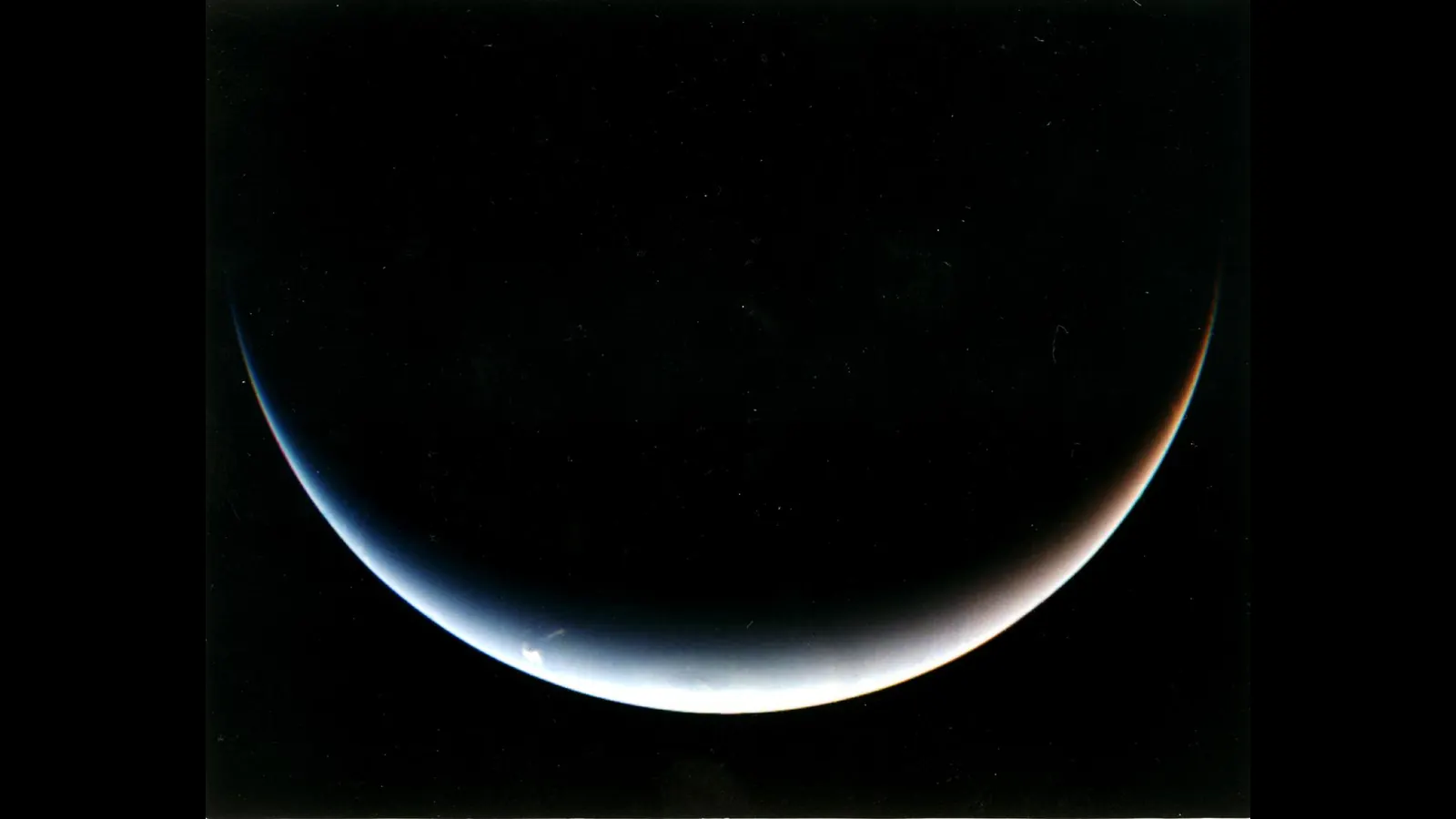
Where is Voyager 2 now? Distance, signal time and power
Where is Voyager 2 now? On October 12, 2026, it's 21.56 billion km (13.40 billion miles) from Earth, and its signals take almost 20 hours to arrive.
-
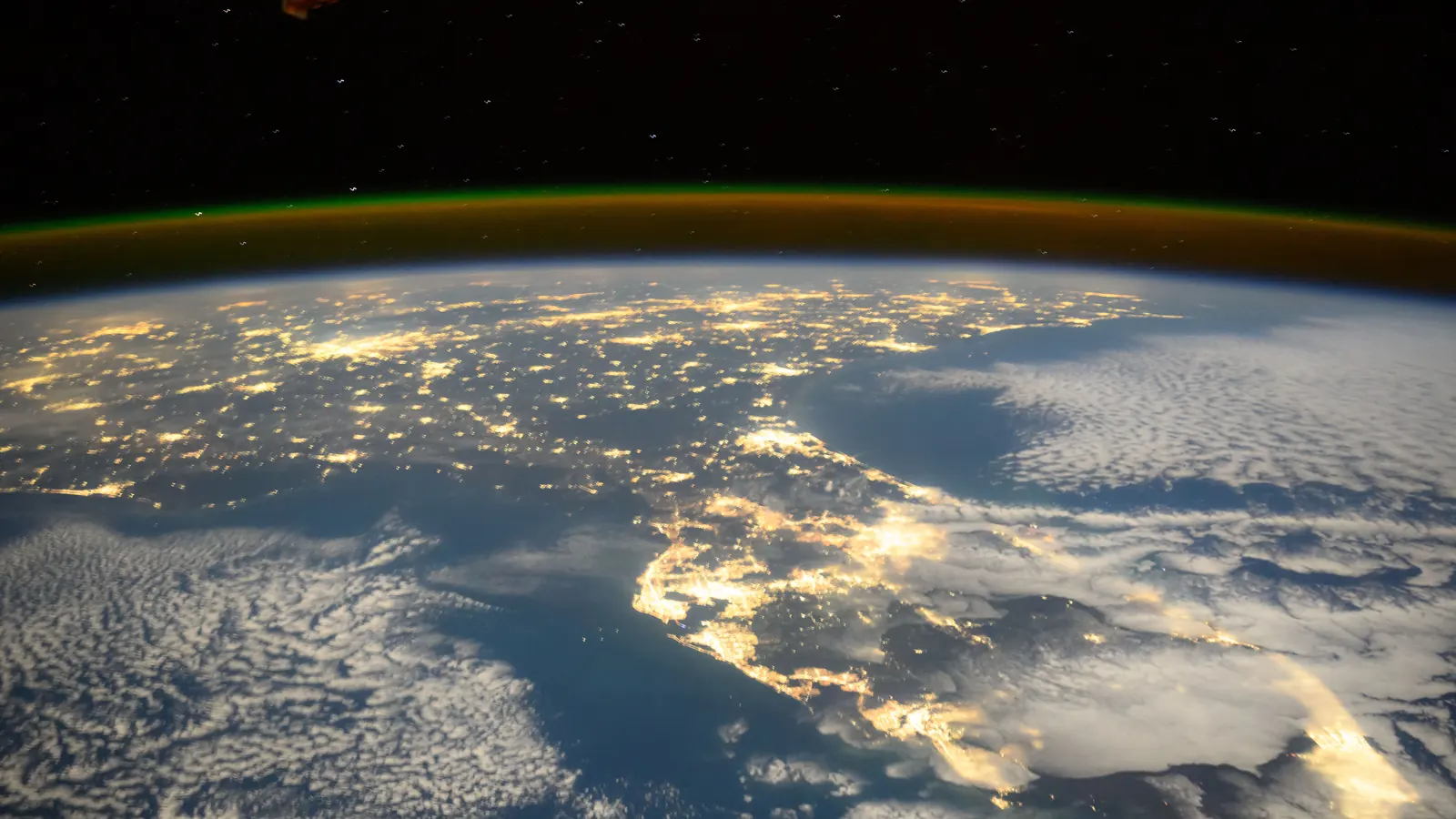
How many Amazon Kuiper satellites are in orbit? Leo's fleet
Amazon reported 396 Kuiper satellites launched by July 2026. On October 11, CelesTrak's active list held 391 Amazon Leo satellites, 375 near 630 km up.
-
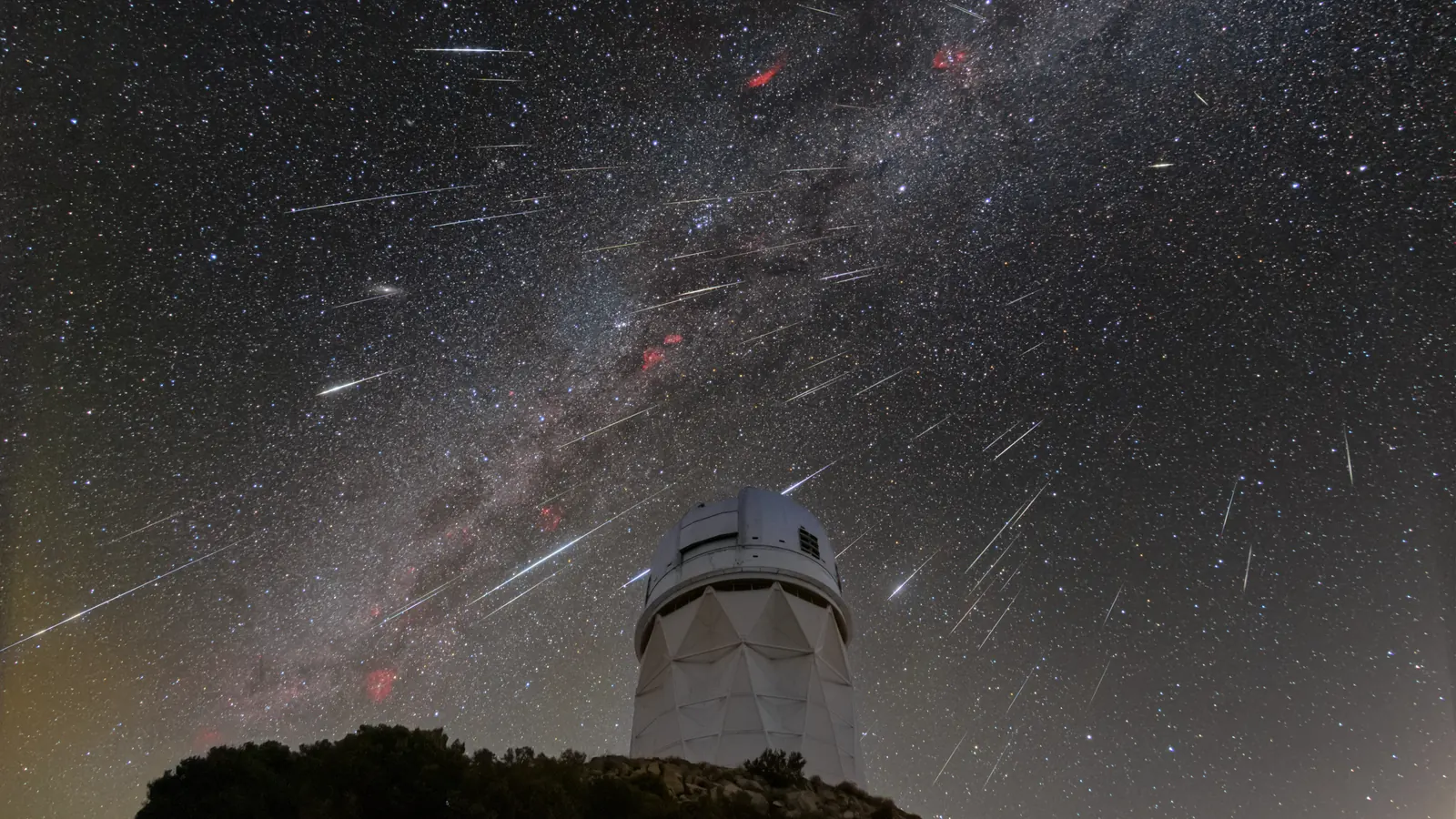
When is the Geminid meteor shower 2026? Peak times and Moon
The Geminid meteor shower peaks the night of December 13-14, 2026: NASA says 40 to 50 meteors an hour under dark skies, and the crescent Moon sets early.
-
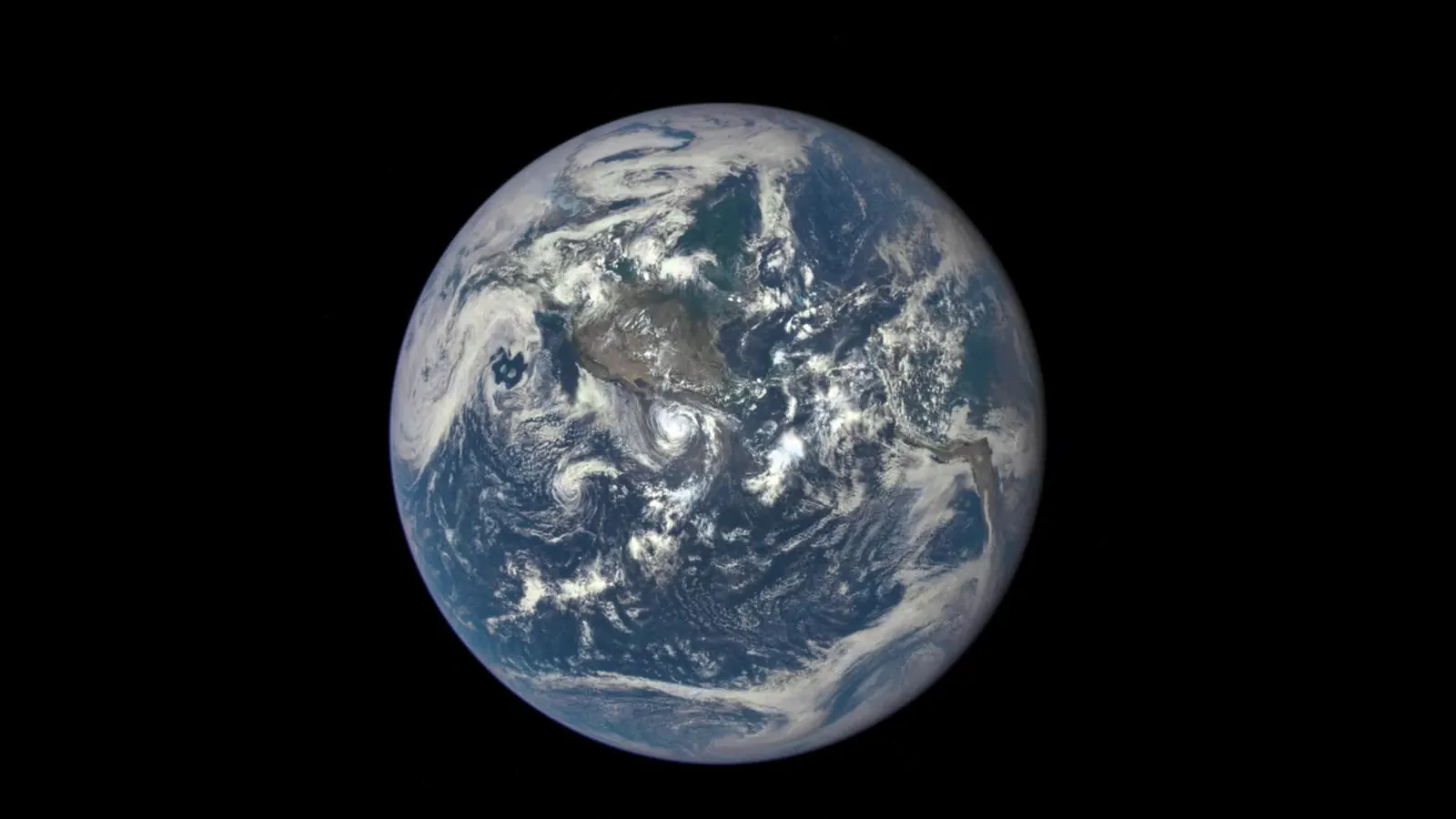
What are Lagrange points? L1 to L5 and what orbits there
Lagrange points are five places where a small object can keep pace with two large ones. For the Sun and Earth, L1 and L2 lie about 1.5 million km from Earth.
-
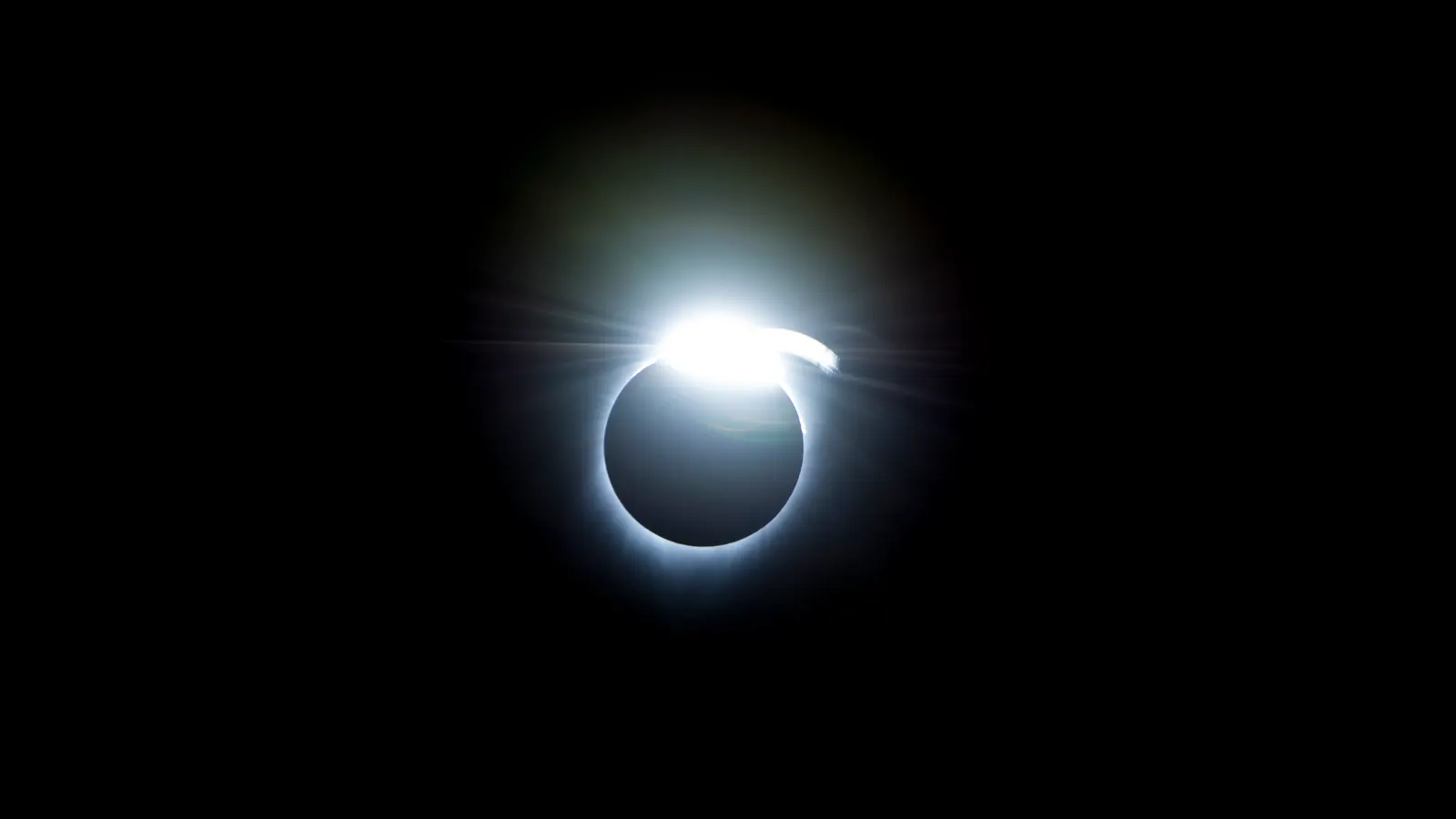
When is the next total solar eclipse? August 2, 2027
The next total solar eclipse is on August 2, 2027. Totality crosses Spain, North Africa and Arabia, lasting up to 6 min 23 s in Egypt's desert near Luxor.
-
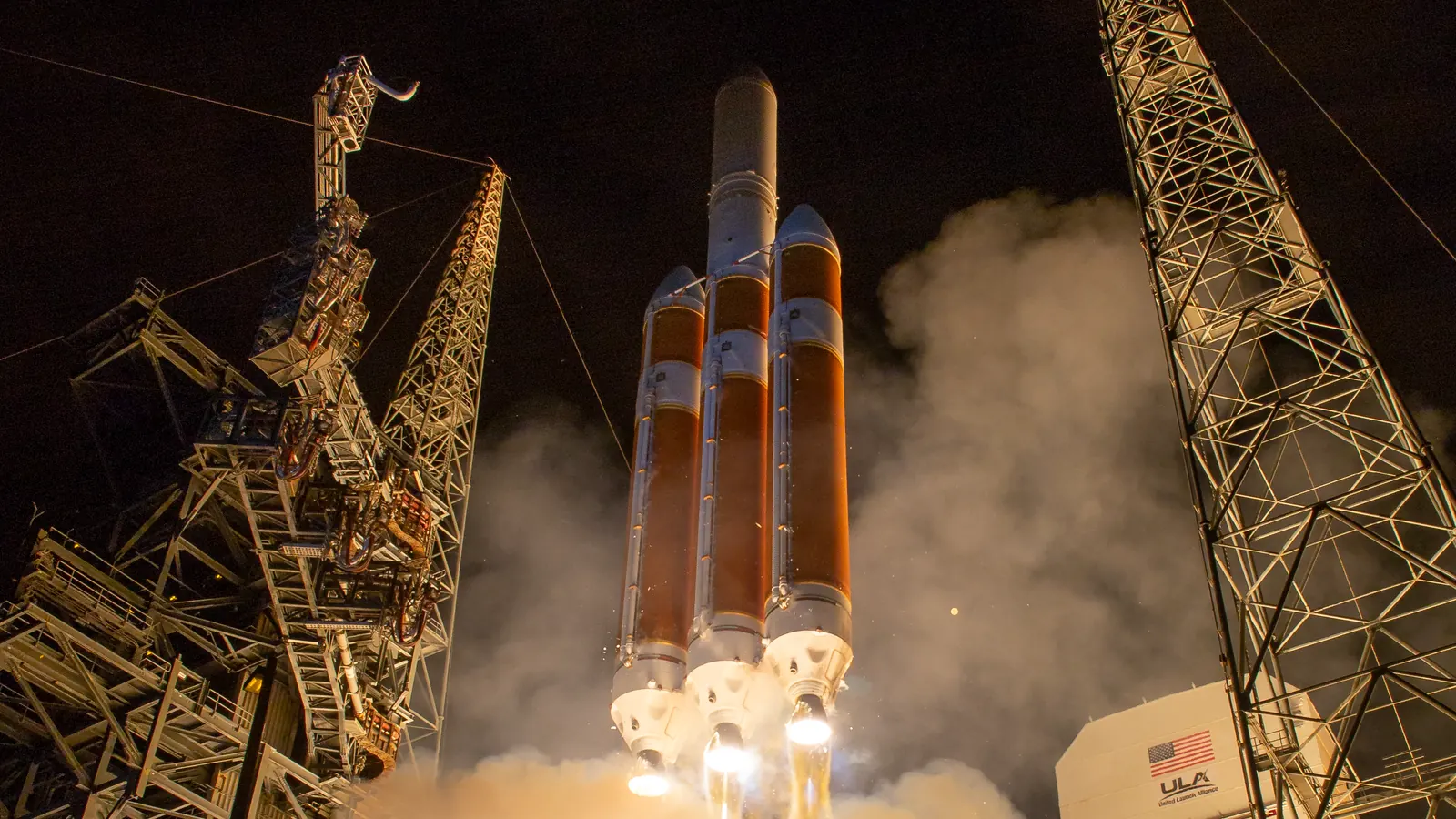
How fast is the Parker Solar Probe? Top speed and orbit
At closest approach the Parker Solar Probe reaches about 430,000 mph (692,000 km/h) relative to the Sun. On Oct. 11, 2026, it was doing just 13.9 km/s.
-
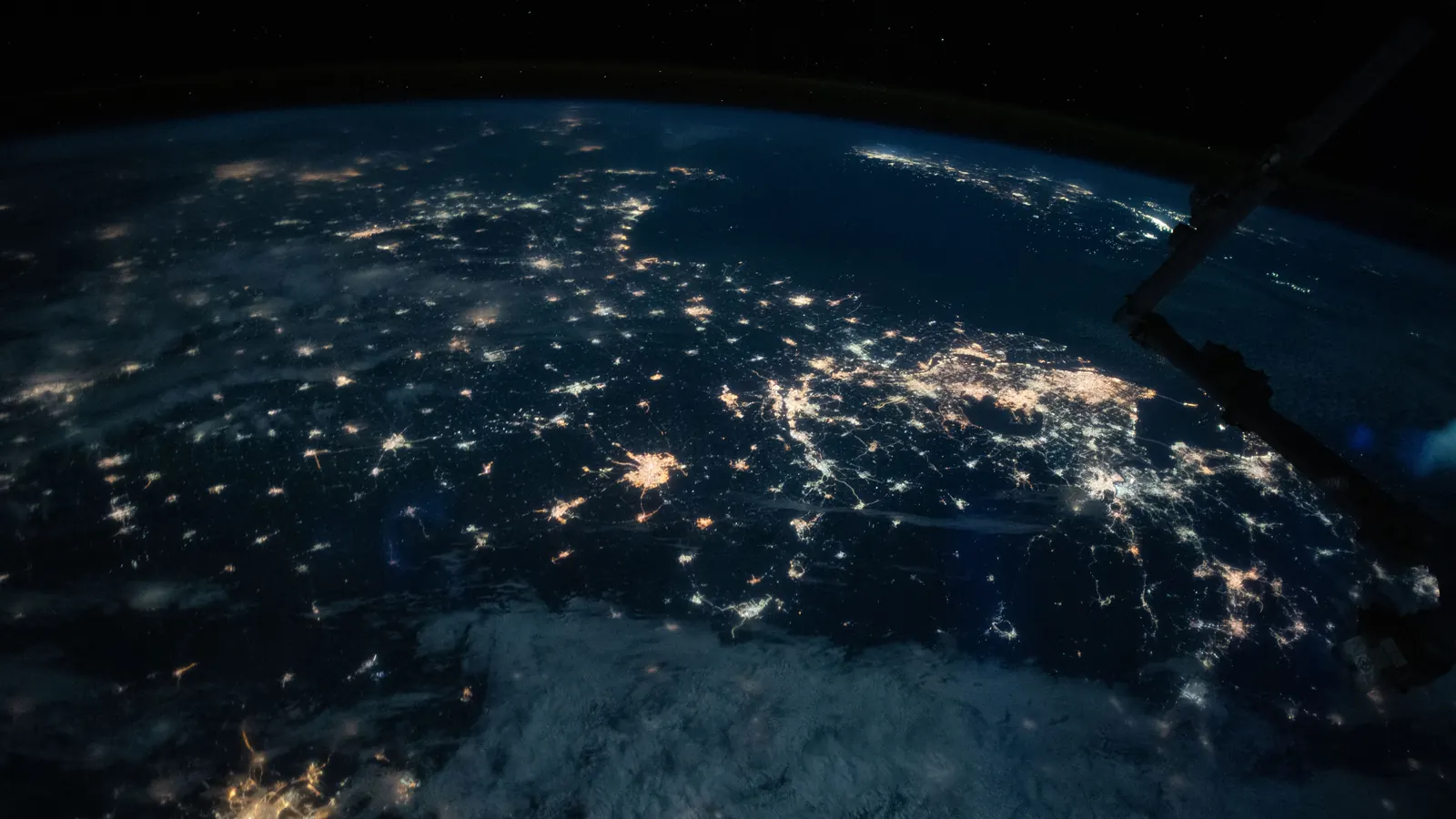
What are China's Qianfan and Guowang constellations?
China's Qianfan and Guowang satellite constellations had 477 satellites on CelesTrak's active list on October 11, 2026, toward plans of about 15,000 and 13,000.
-
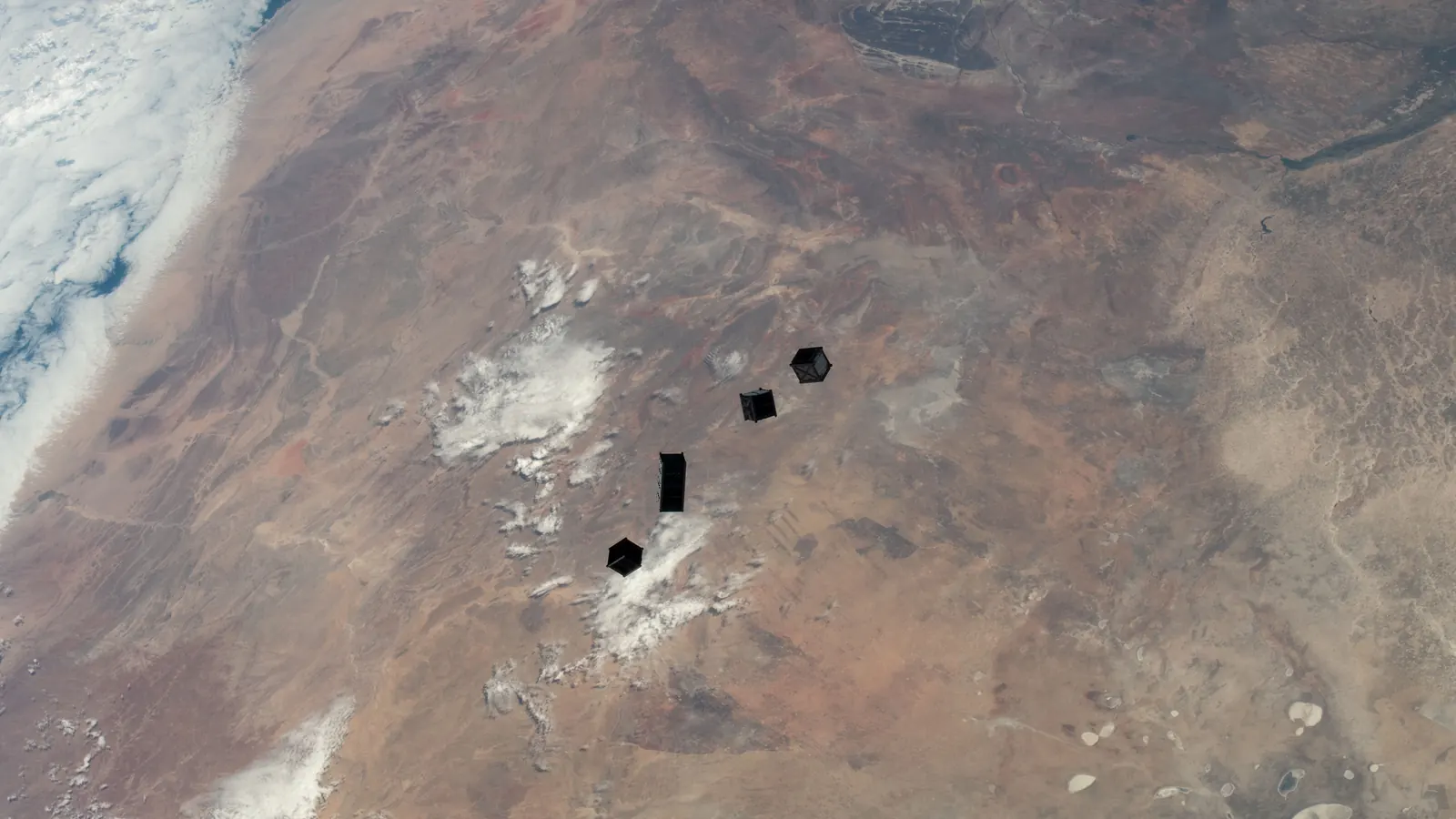
What are the different types of satellites? Uses and counts
The types of satellites, by job. Communications are 80.2% of the 16,701 on CelesTrak's active list, Starlink alone 66.6%, while about 10% can't be identified.
-
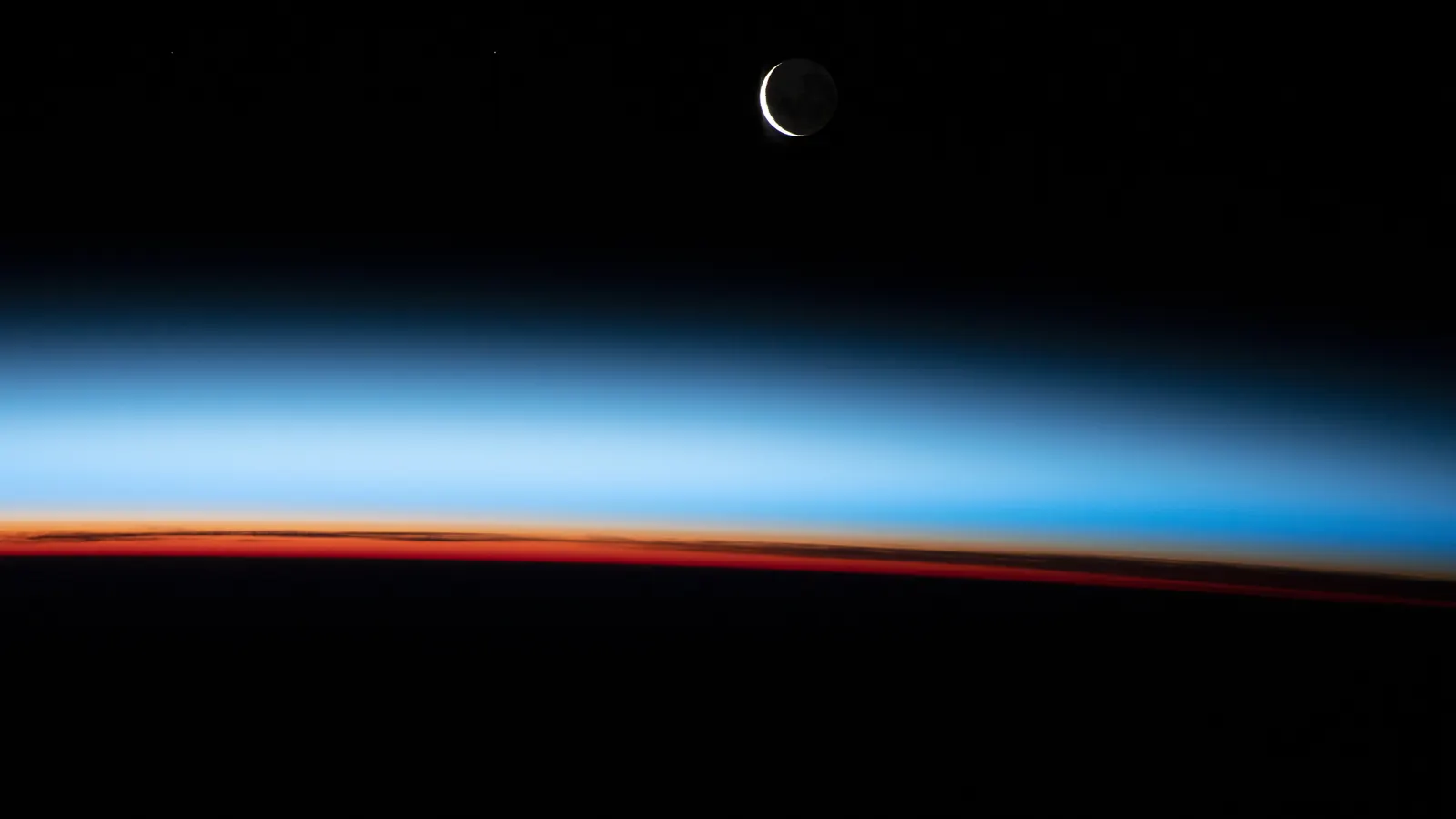
Where does space begin? The Kármán line, 100 km or 80 km
Where does space begin? FAI's Kármán line is 100 km (62 miles), the US uses 50 miles (80 km), and no law sets it. Nothing in our Oct 11 data was below 164.7 km.
-
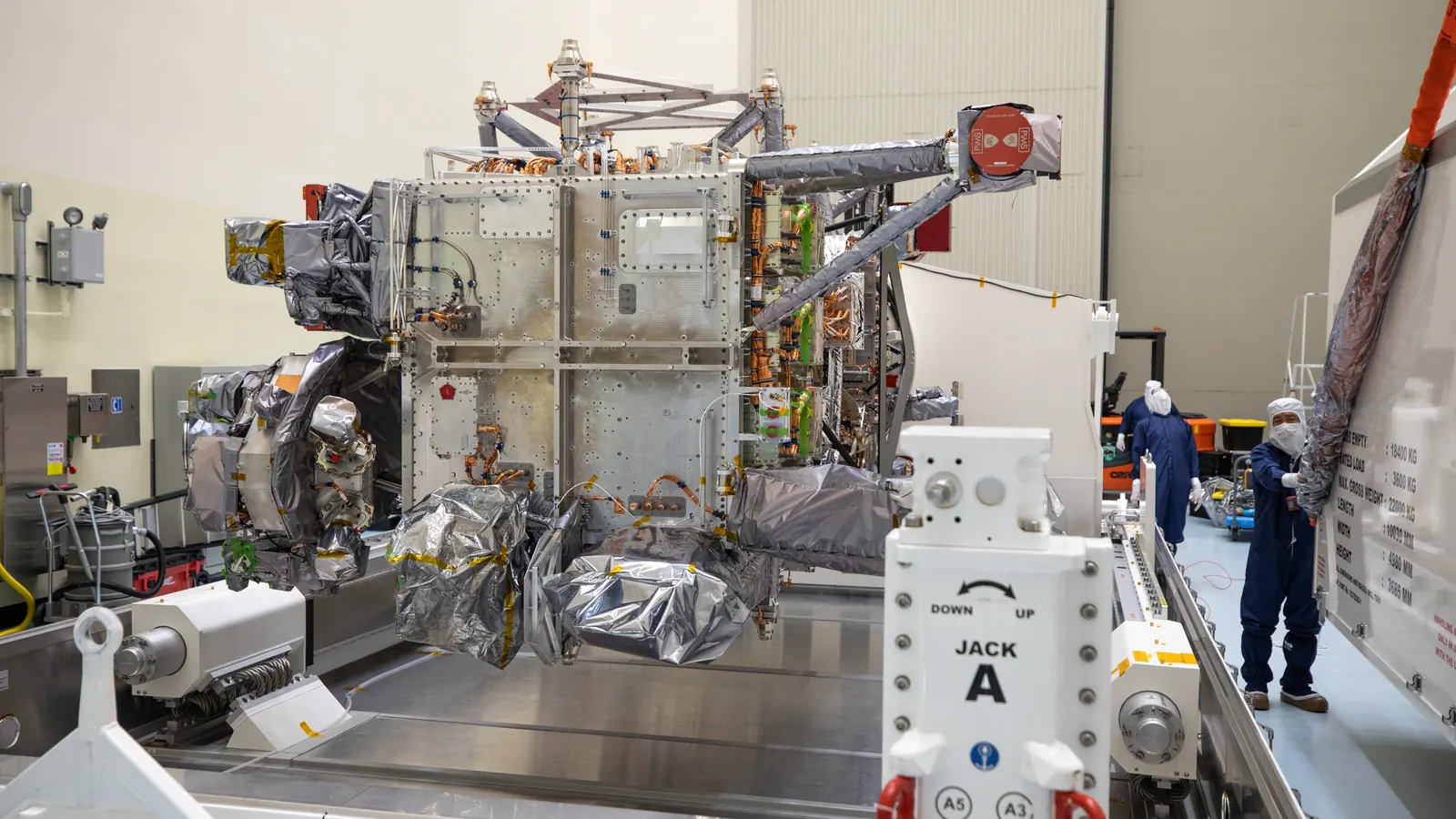
Where is Europa Clipper now? Distance and the Earth flyby
Europa Clipper was 59.0 million km from Earth on October 11, 2026, and closer to the Sun than Earth is. It swings past Earth on December 3, bound for Jupiter.
-
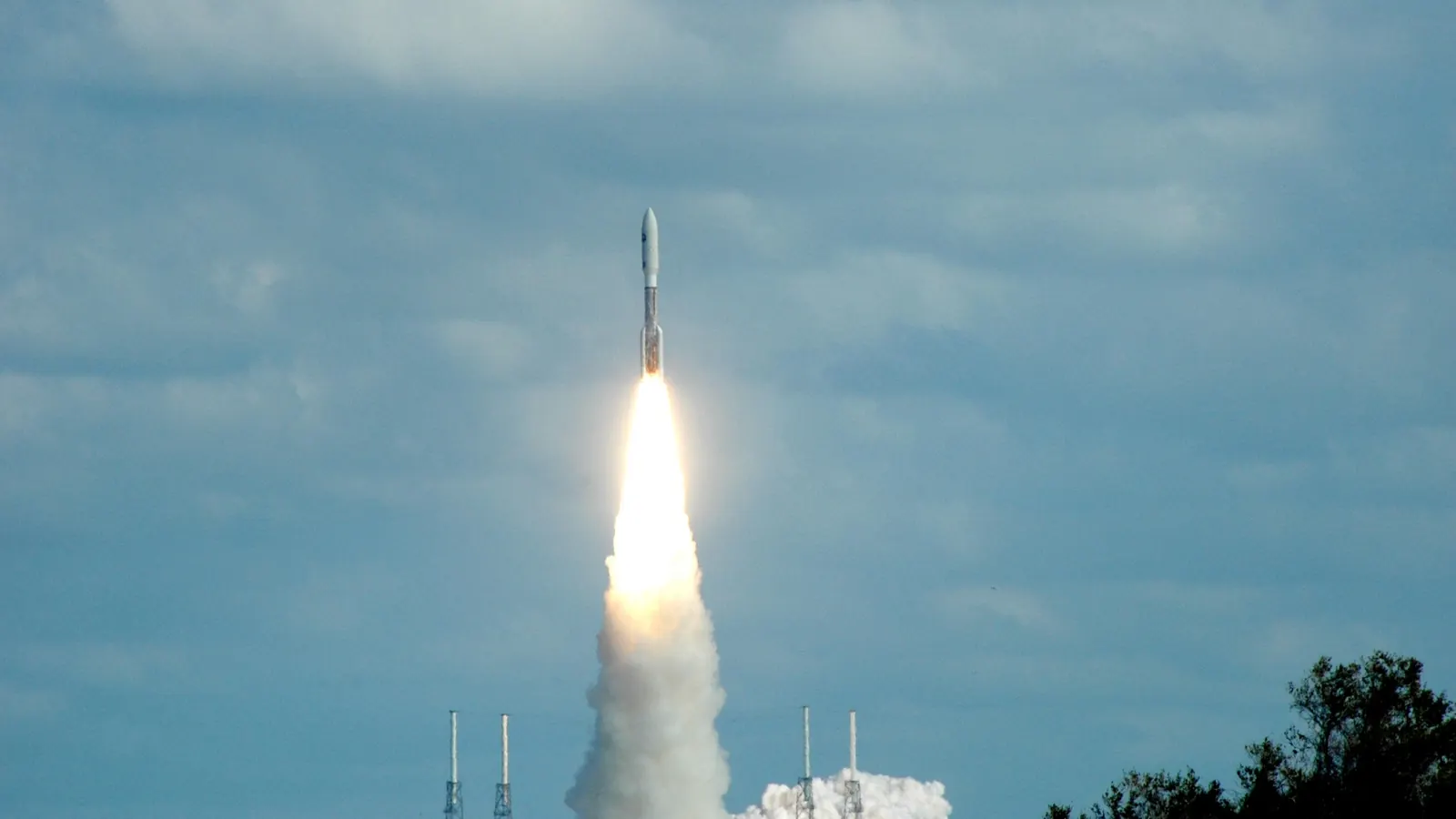
Where is New Horizons now? Distance, speed and what's next
New Horizons was 65.77 AU from the Sun on October 8, 2026, and its signals took 9 hours 6 minutes to reach Earth. It's still inside the heliosphere.
-
Can satellites connect directly to your phone? How it works
Satellites can connect directly to your phone for texts. Starlink says it has launched 650 direct-to-cell satellites. How it works and who offers it.
-
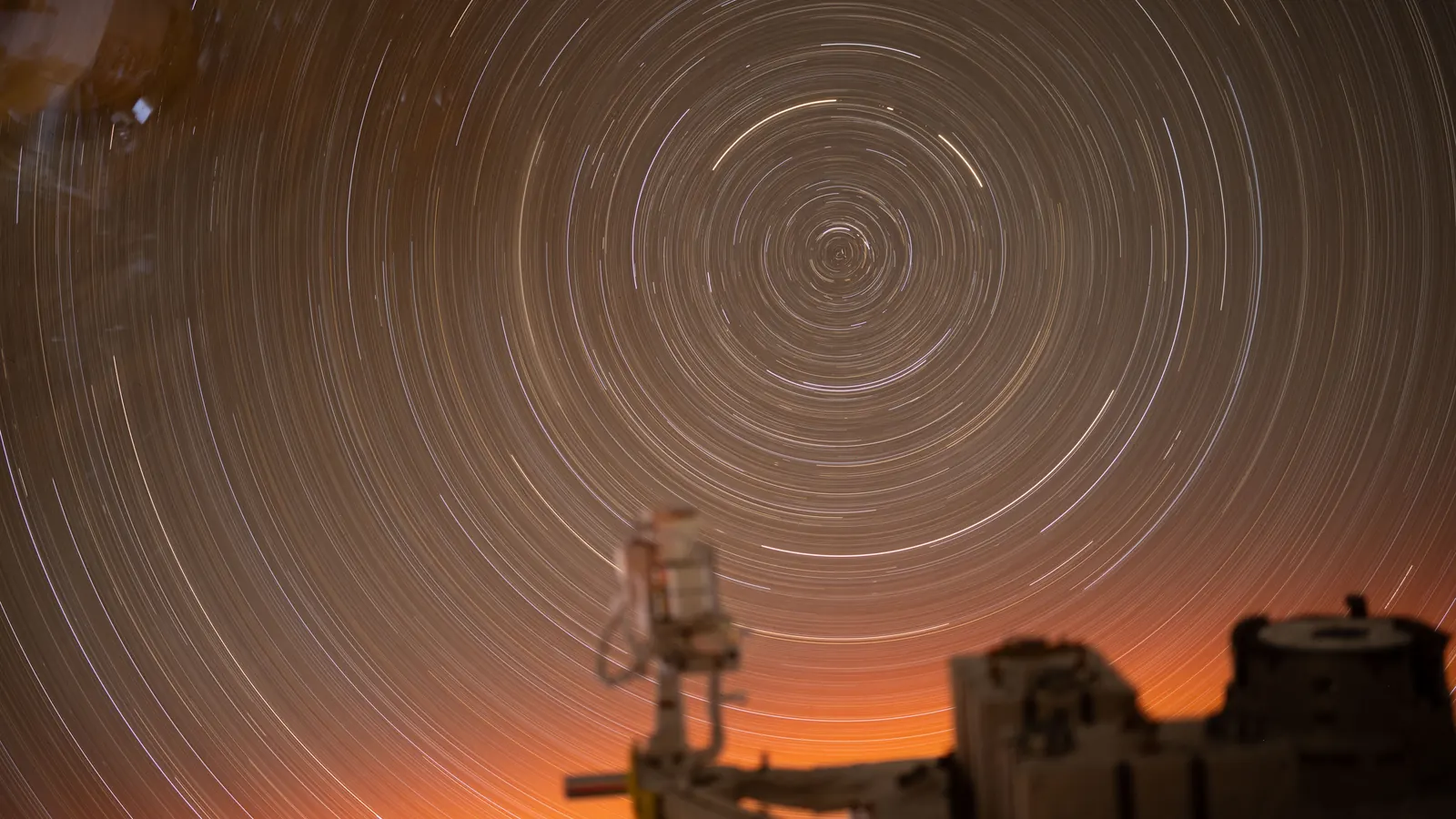
How do satellites stay in orbit? Speed, drag and fuel
How do satellites stay in orbit? They fall all the time but move sideways fast enough to keep missing Earth: about 7.7 km/s at the ISS's 420 km height.
-
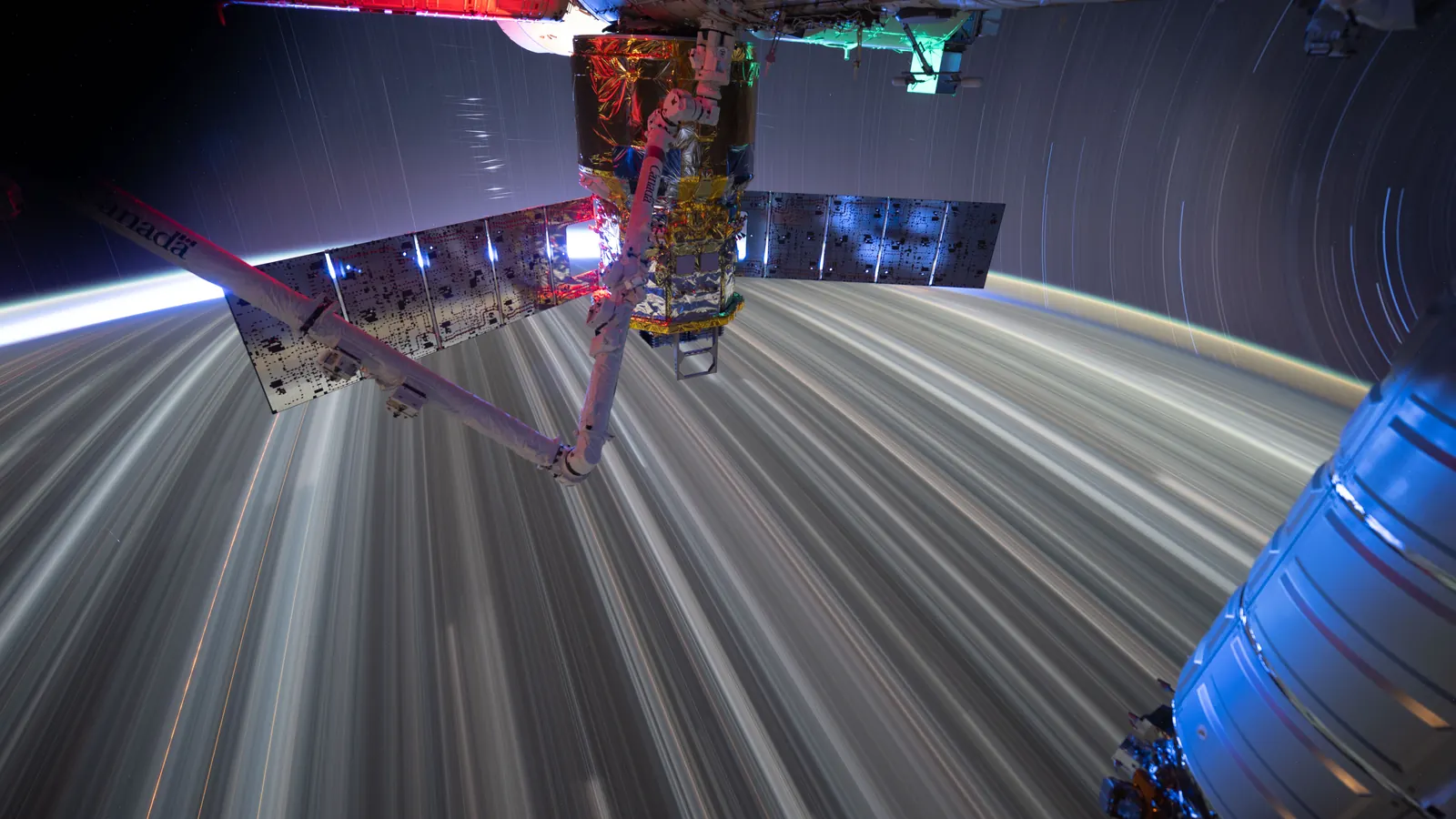
How does Starlink work? Orbits, dishes and laser links
Starlink links a phased-array dish to more than 11,000 satellites, most in shells about 460 to 485 km up, which relay traffic by laser and through gateways.
-
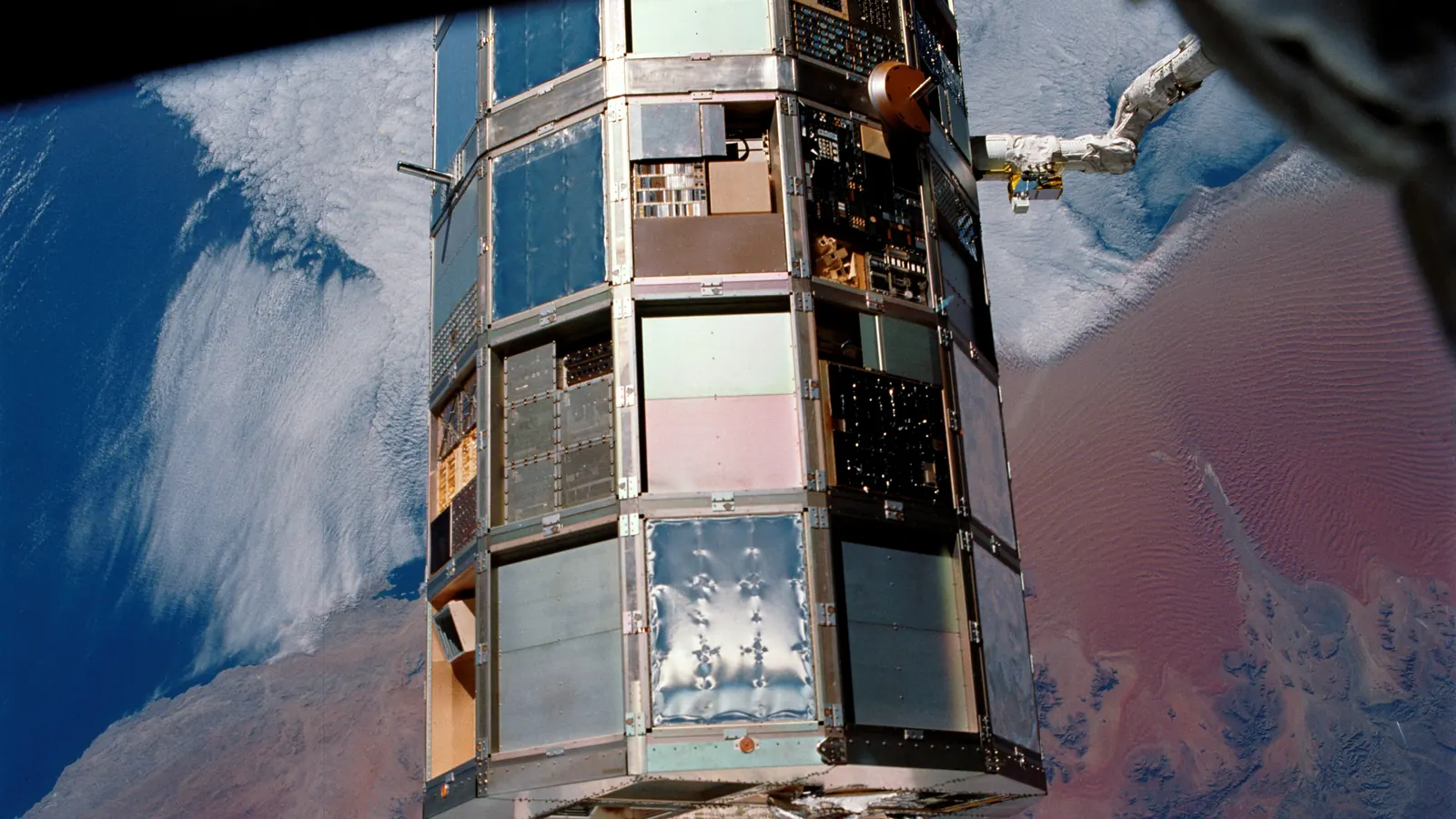
How long do satellites last? Lifespan by orbit and type
How long do satellites last? Most active ones are Starlinks, built for five years. New GPS satellites get 15, and Landsat 5, built for three, lasted 28 years.
-
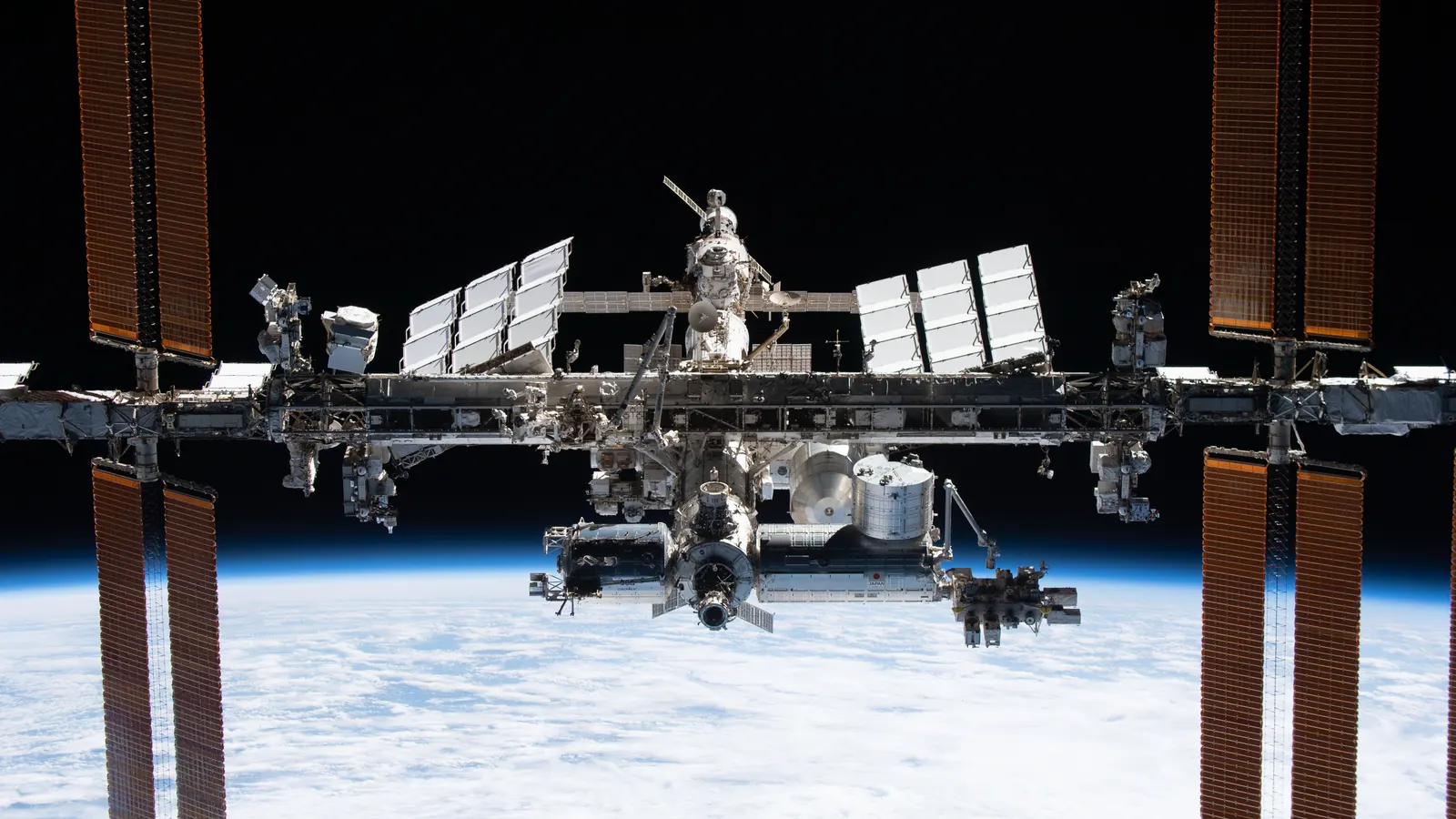
When will the ISS be retired? Deorbit plan and what's next
NASA plans to retire the ISS after September 30, 2030, when operations end. A SpaceX-built vehicle then steers it into the South Pacific in about 2031.
-
How many rocket launches in 2026? The count so far
Rocket launches in 2026 reached about 240 orbital attempts by mid-October, one every 28.5 hours. How it compares with 2025's record and what the catalog shows.

-
Where is China's Tiangong space station? Orbit and crew
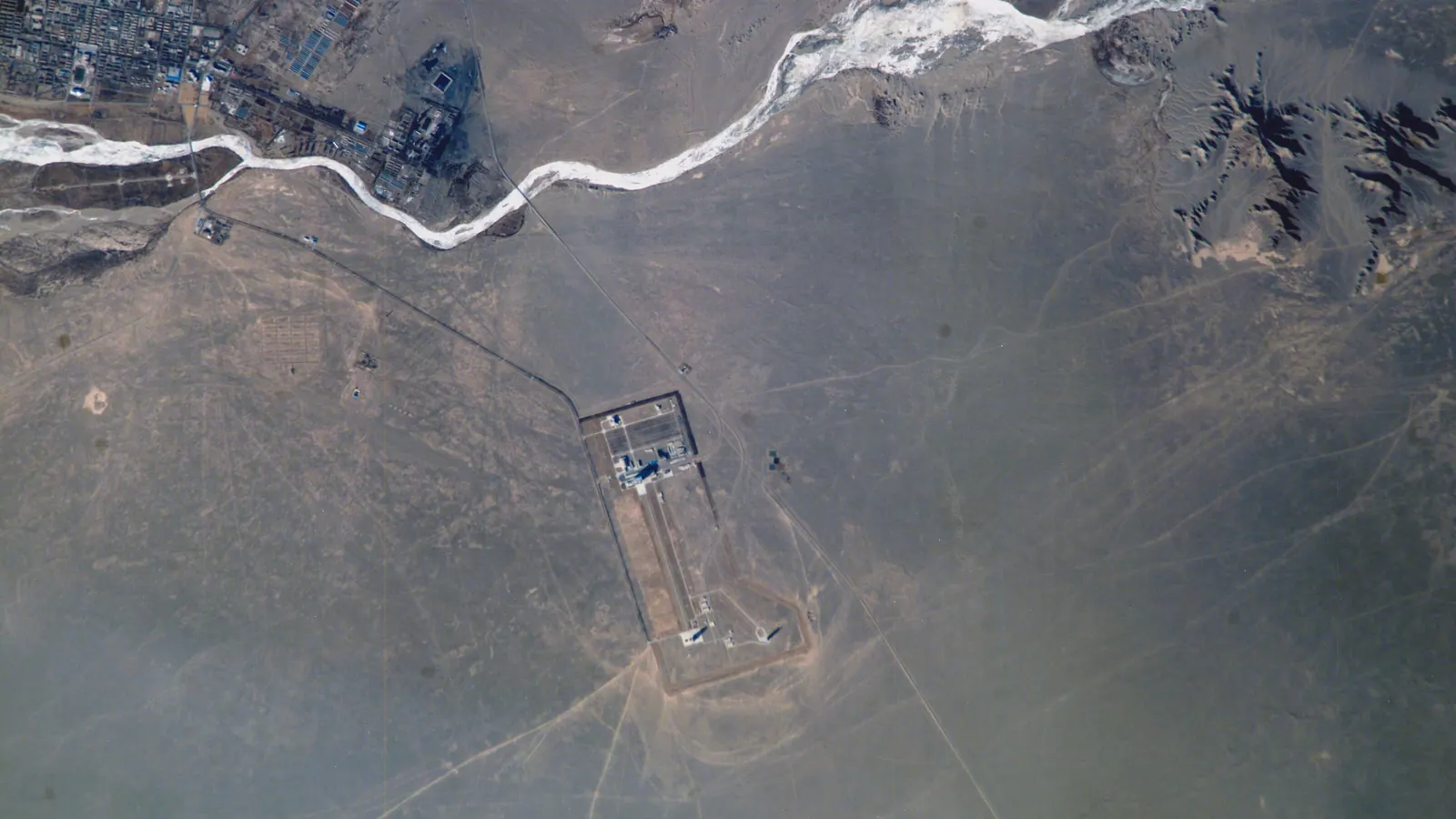
China's Tiangong space station orbits about 386 km up on a 41.5° tilt, so it stays between 41.5° N and S. Who's aboard, its size, and where you can see it.
-
What are the types of orbits? LEO, MEO, GEO and HEO
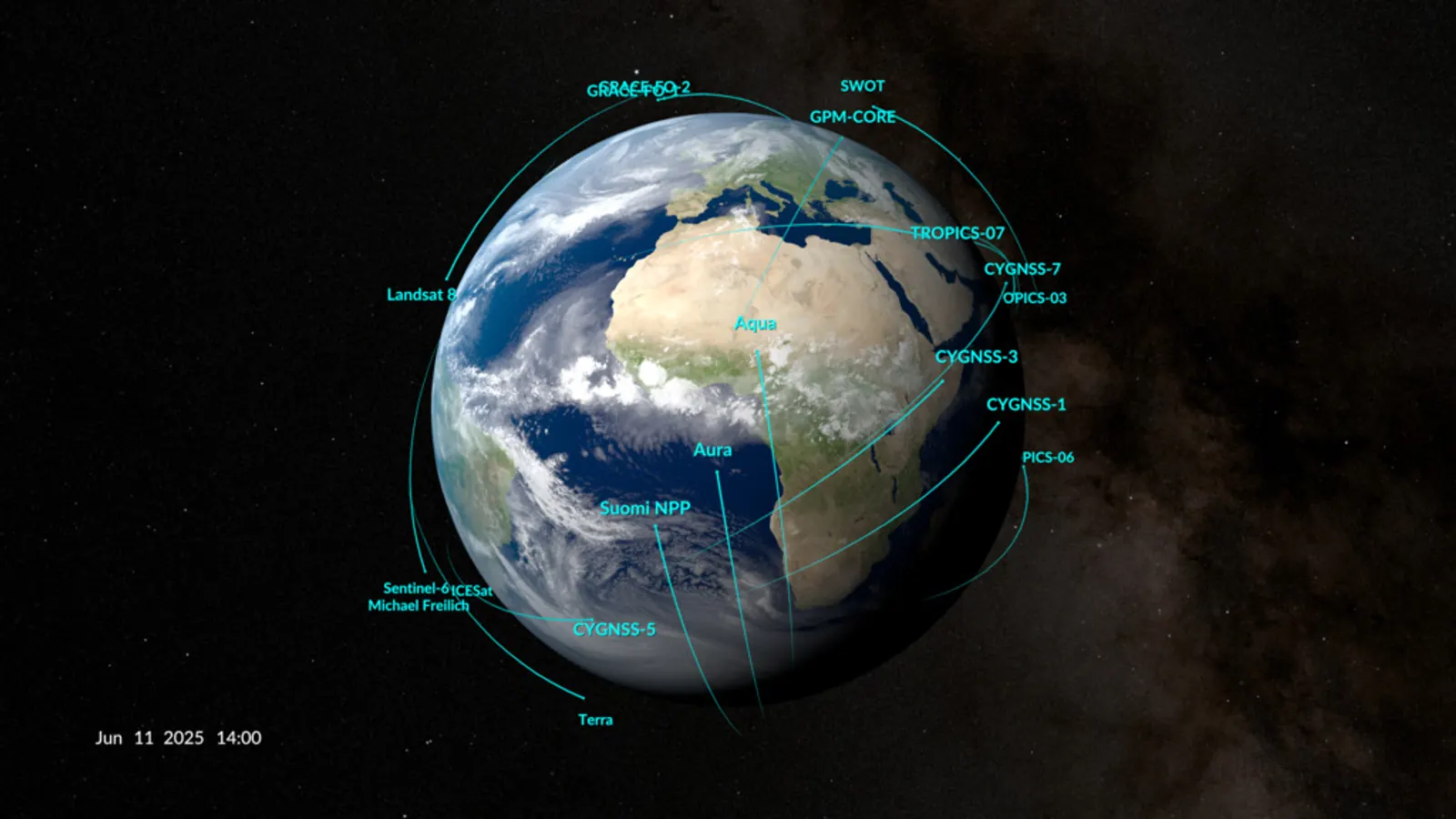
The main types of orbits are LEO, MEO, GEO and HEO. Of 16,701 objects on CelesTrak's active list on October 11, 2026, 95 percent were in low Earth orbit.
-
What are the Van Allen belts? Altitude, risks and satellites
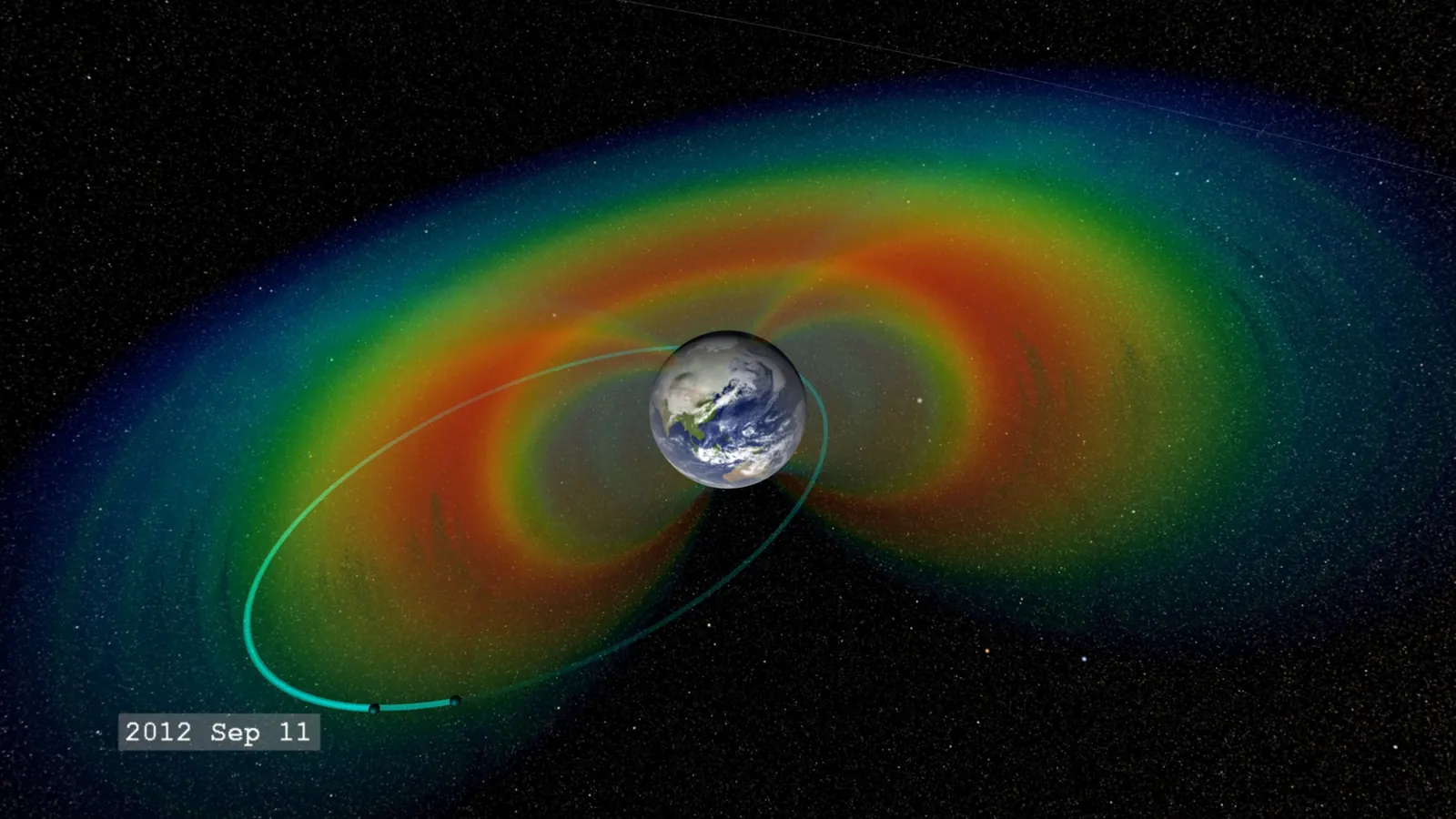
The Van Allen belts are two zones of trapped particles, about 1,600 to 40,200 km up by NASA figures. Of 16,701 active satellites, 95% stay below 2,000 km.
-
How do weather satellites work? Orbits, sensors and data
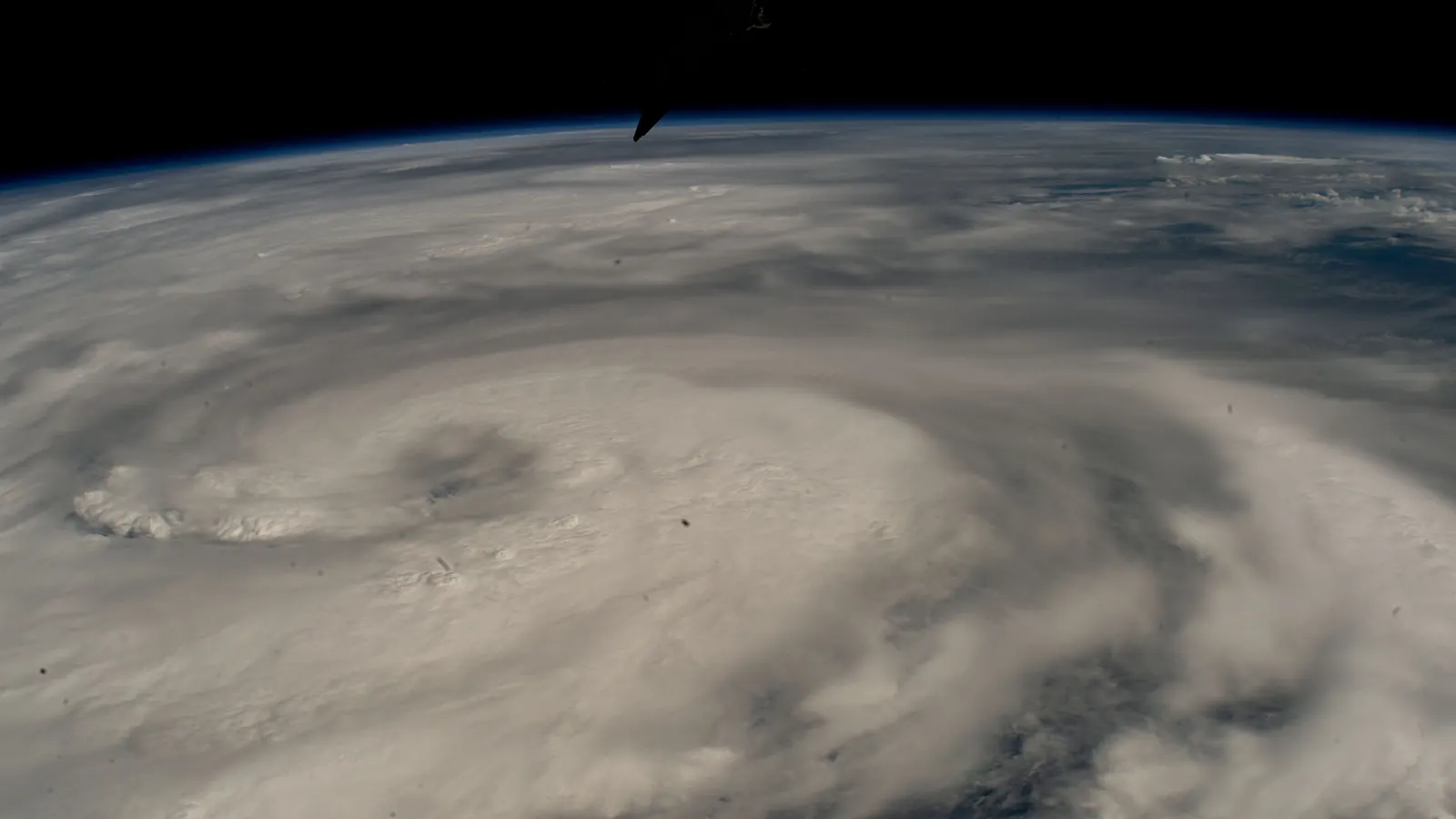
How weather satellites work: geostationary imagers 35,786 km up scan a full disc every 10 minutes, and low orbiters supply over 80% of forecast model data.
-
What is a geostationary orbit? Height, speed and delay
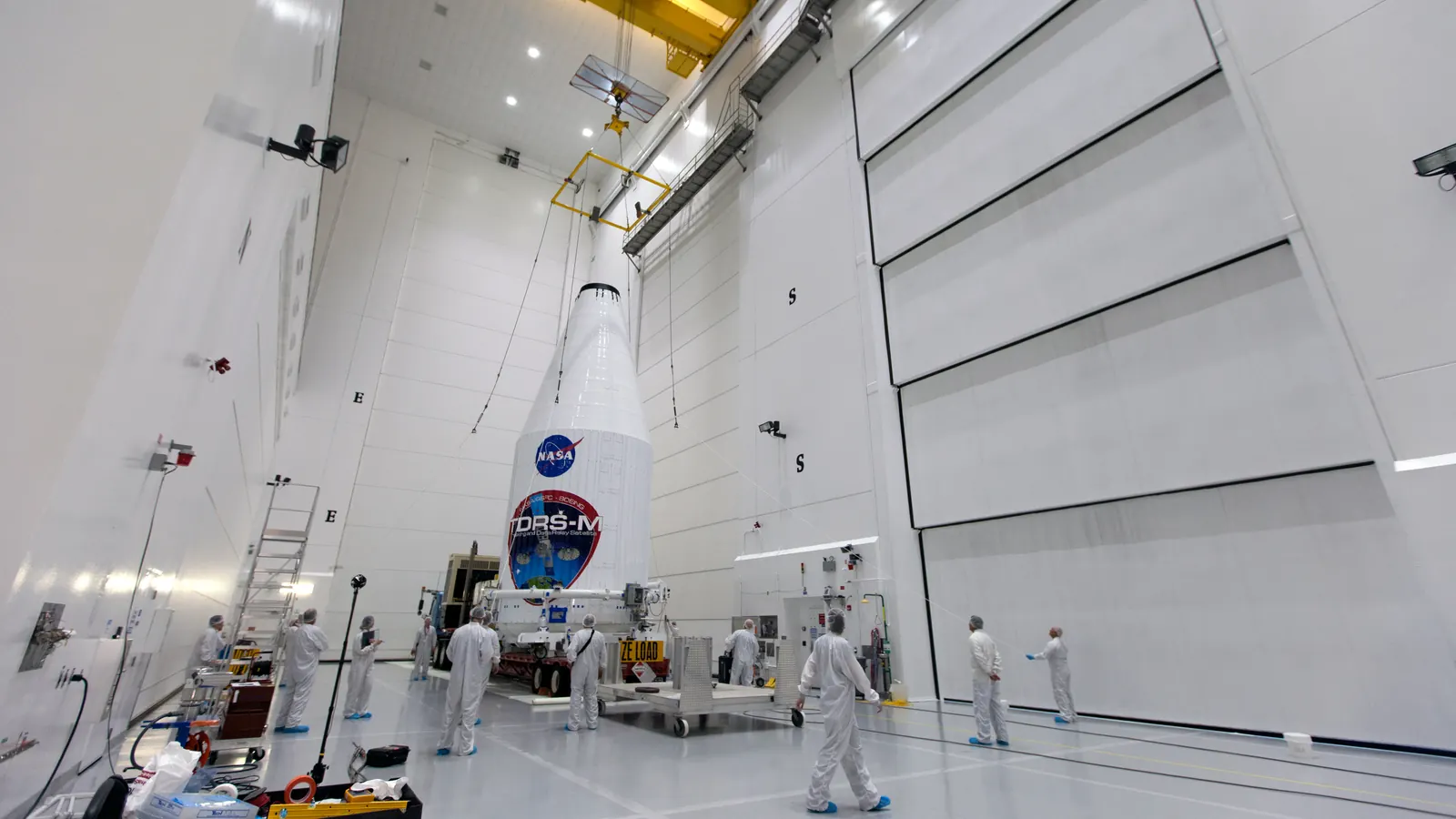
A geostationary orbit is a circle 35,786 km above the equator where a satellite keeps pace with Earth's spin and seems to hang still. We counted 573 there.
-
How many GPS satellites are there? Height and how GPS works
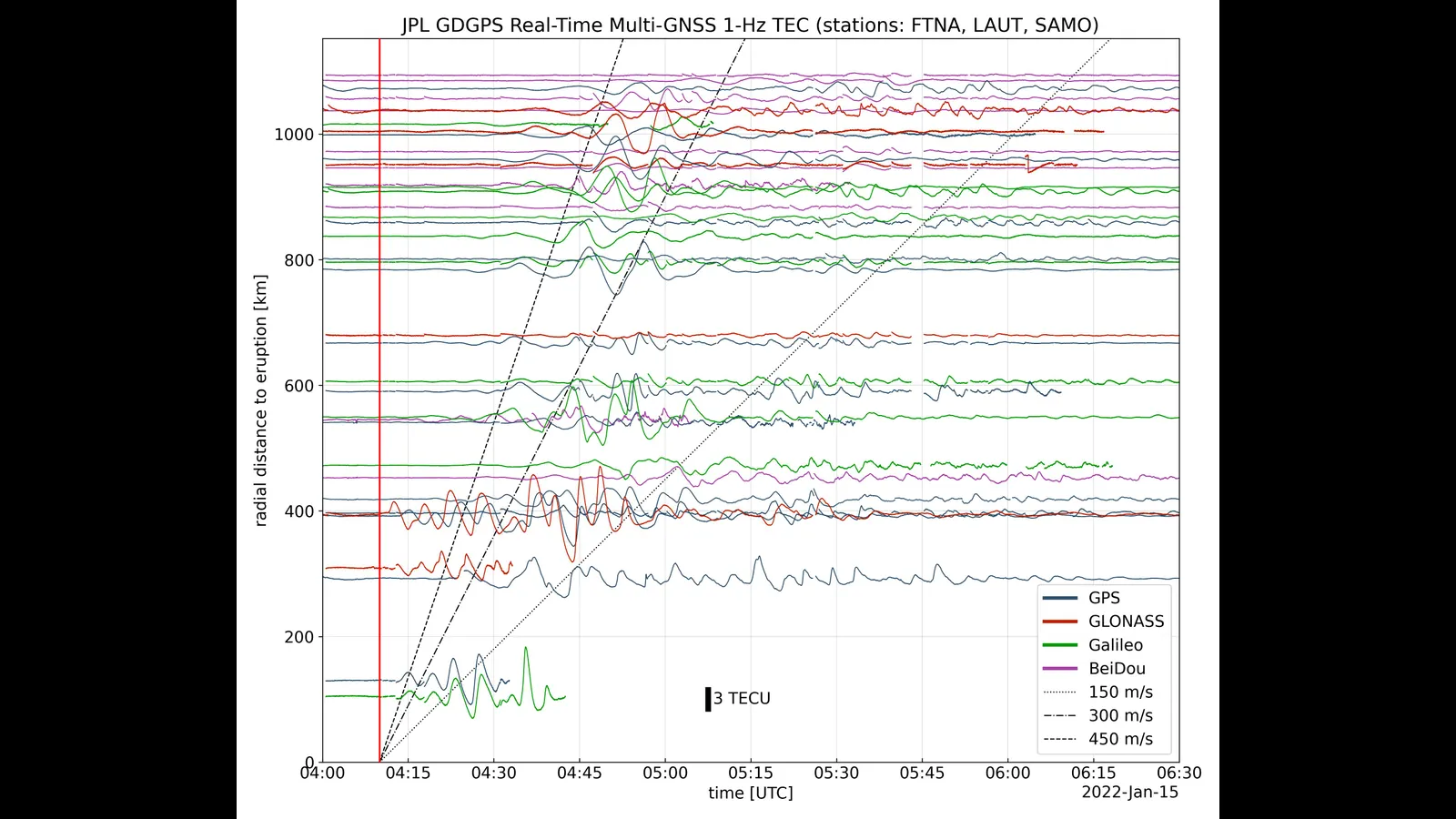
The U.S. Space Force counted 32 operational GPS satellites in April 2026, about 20,200 km up. How GPS works, and how Galileo, GLONASS and BeiDou compare.
-
How fast does the ISS travel? Speed, altitude and orbit
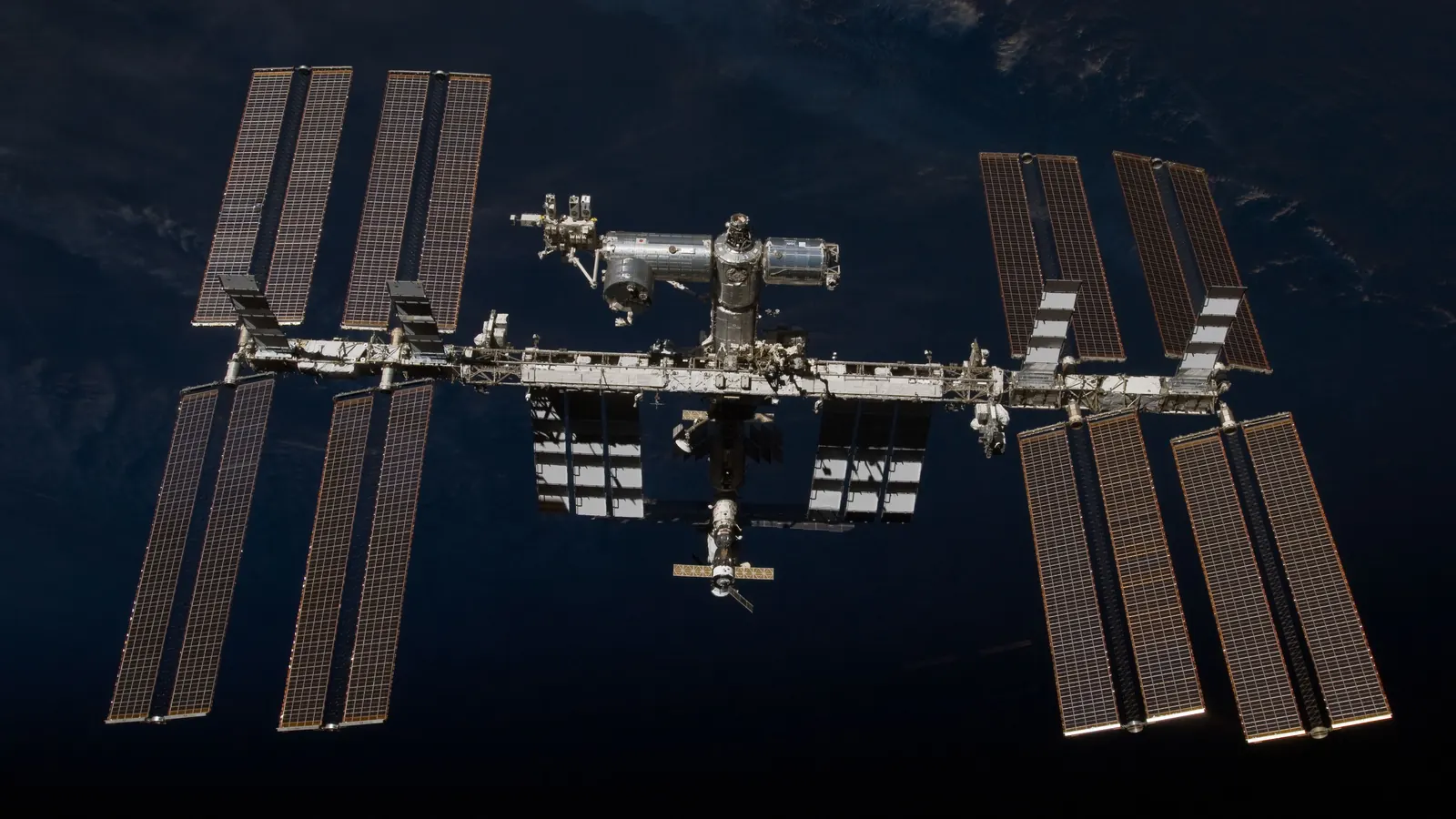
How fast does the ISS travel? About 17,100 mph (7.66 km/s), circling Earth every 93 minutes 420 km up. Why it sinks, and how it gets pushed back up.
-
What happens when a satellite reenters the atmosphere?
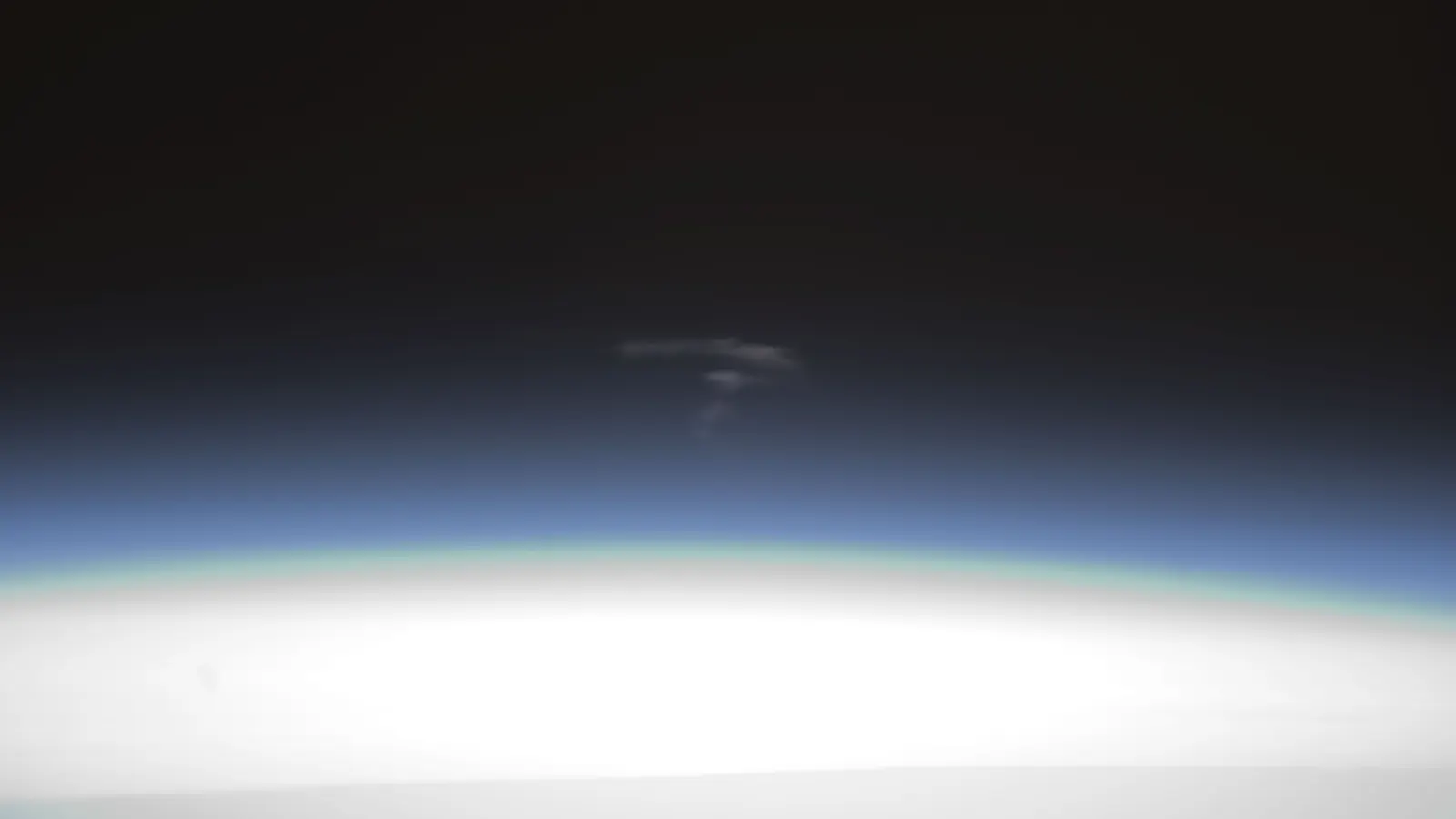
When a satellite reenters the atmosphere it breaks apart about 78 km up and mostly melts away, though tanks can survive. About two Starlinks fall each day.
-
Do satellites affect astronomy? Streaks, Starlink and Rubin
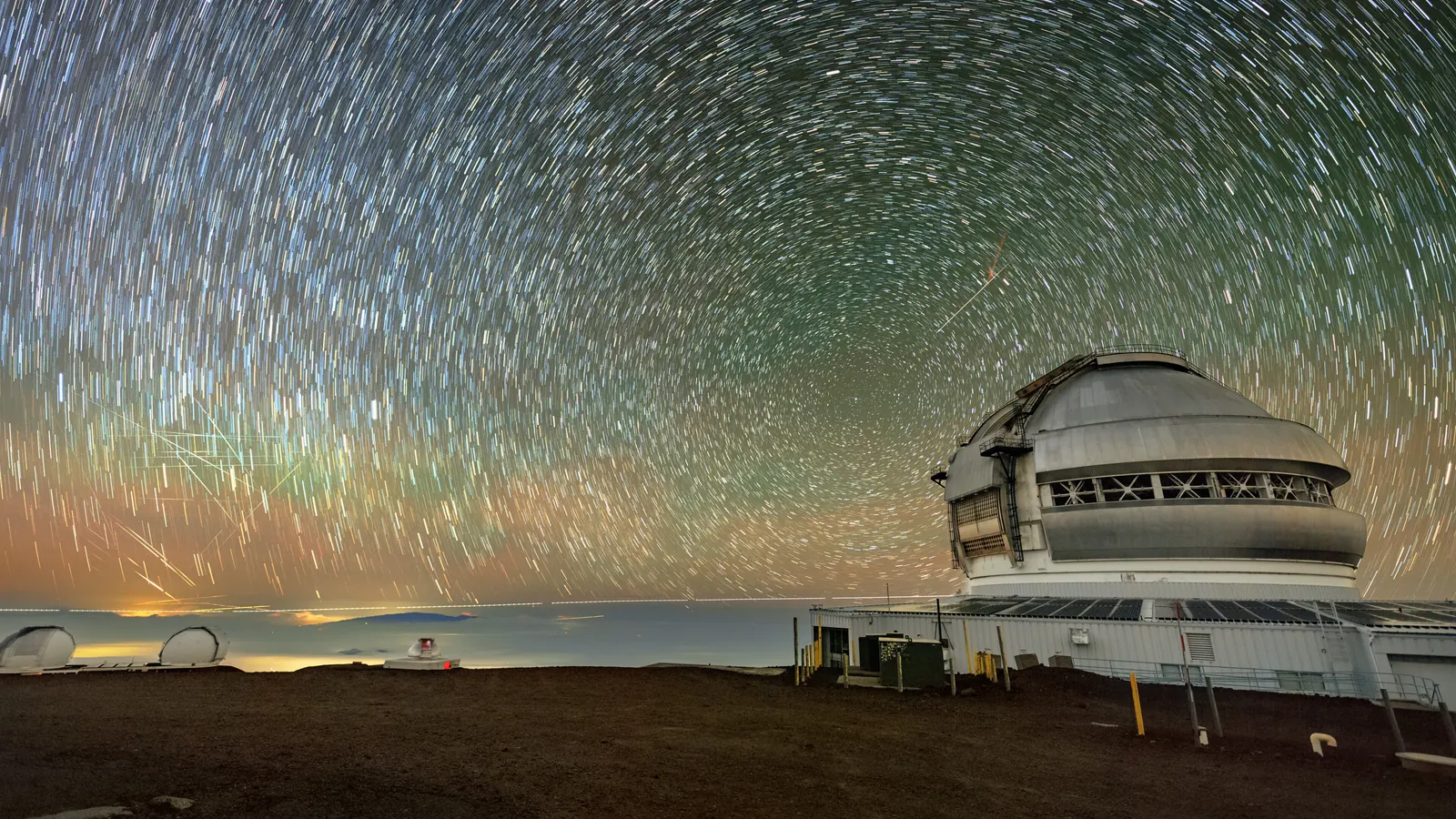
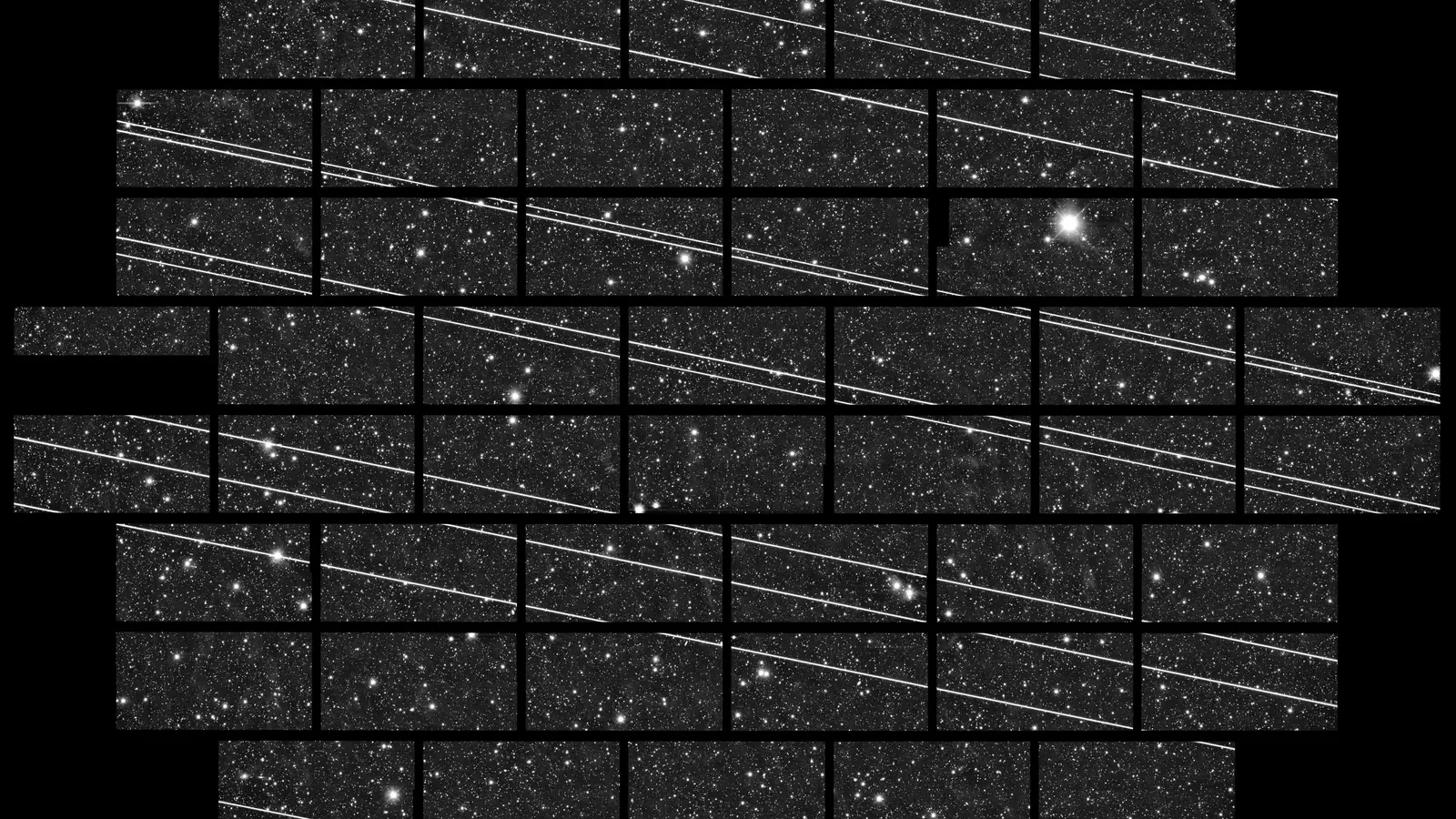
Do satellites affect astronomy? Streaks crossed 2.7% of Hubble exposures from 2002 to 2021, and Rubin simulates trails in about 10% of its survey images.
-
How do solar storms affect satellites? Drag, GPS, Starlink
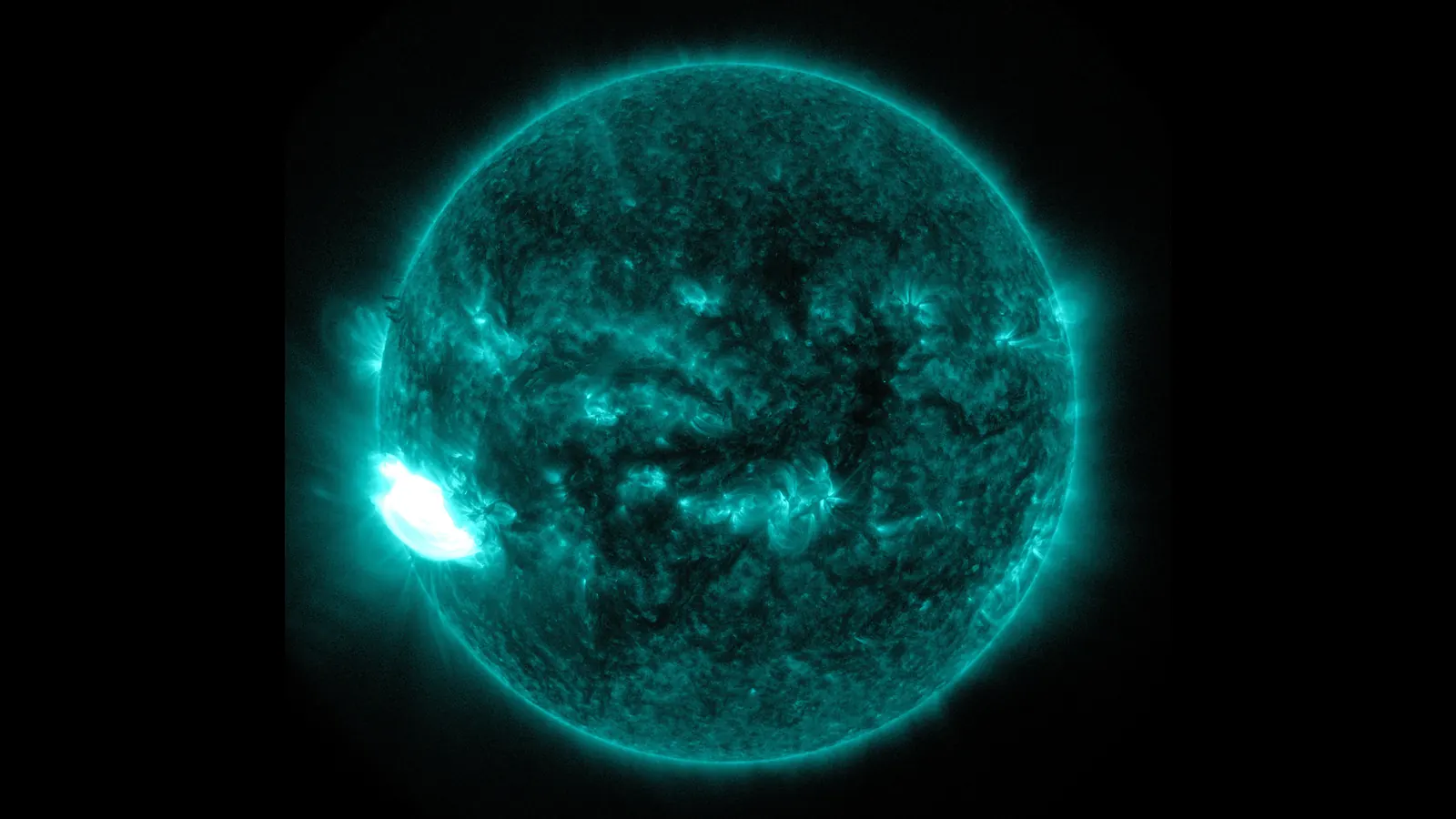
Solar storms affect satellites by heating the upper air, which adds drag in low orbit, and by skewing GPS. A mild 2022 storm downed 38 of 49 new Starlinks.
-
How much space debris is in orbit? 2026 counts and risks
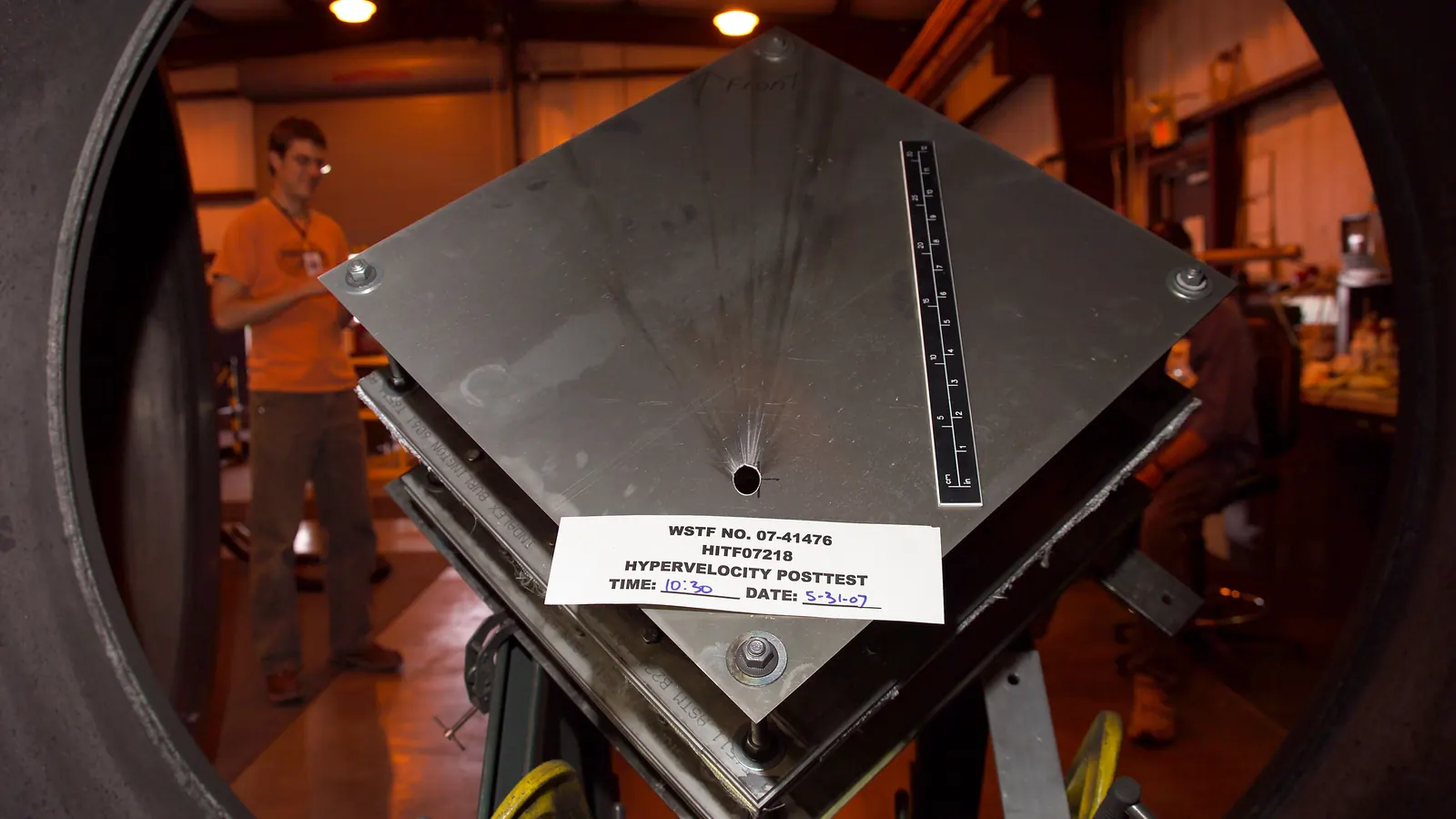
How much space debris is in orbit? The US catalog lists about 34,000 objects, ESA counts about 47,000 tracked, and models estimate 1.5 million of 1 to 10 cm.
-
What is a sun-synchronous orbit? Polar orbits and dawn-dusk
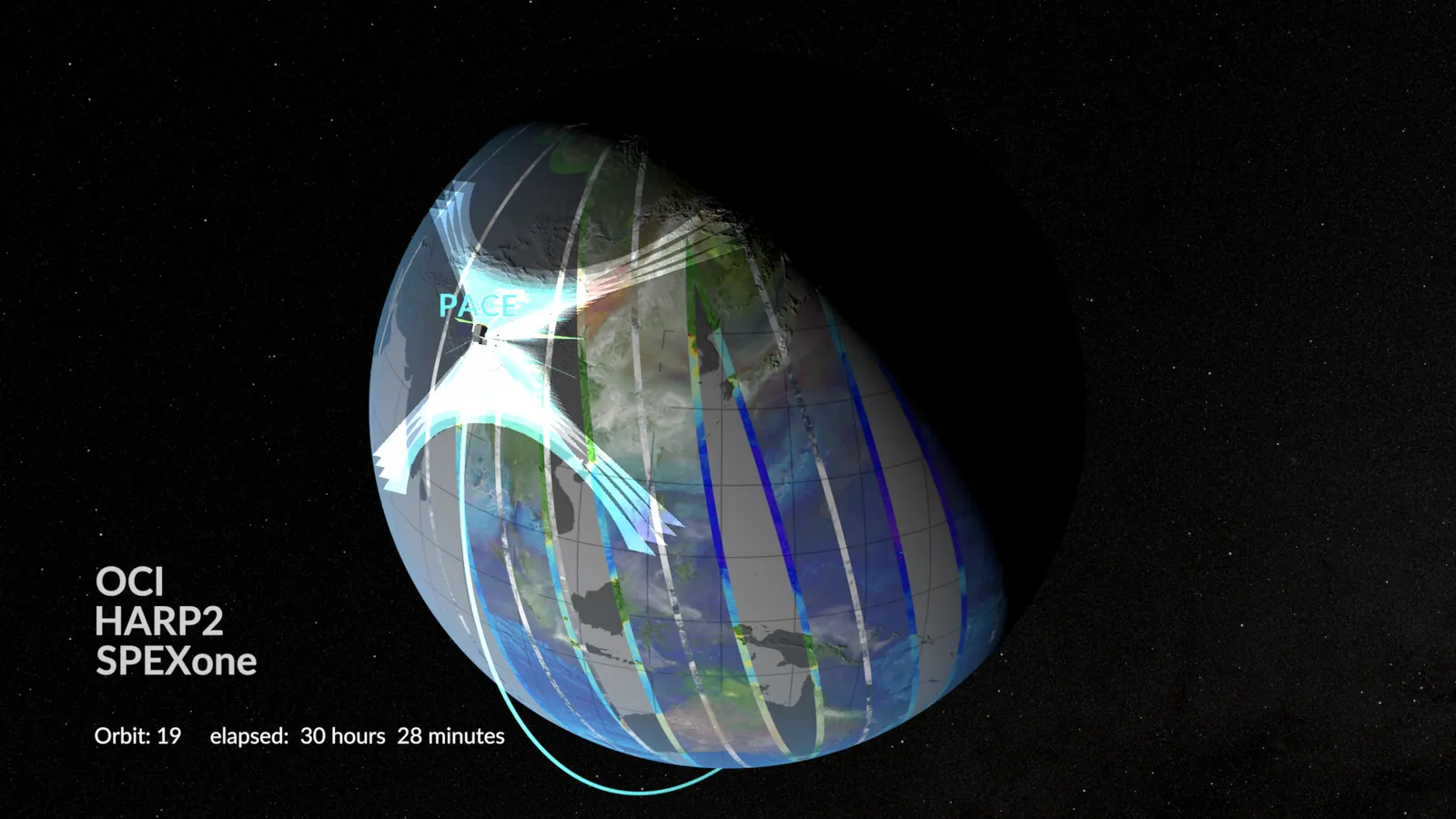
A sun-synchronous orbit turns 0.9856° a day with the Sun, so Landsat 9 crosses the equator southbound near 10:12 a.m. One in five active satellites flies one.
-
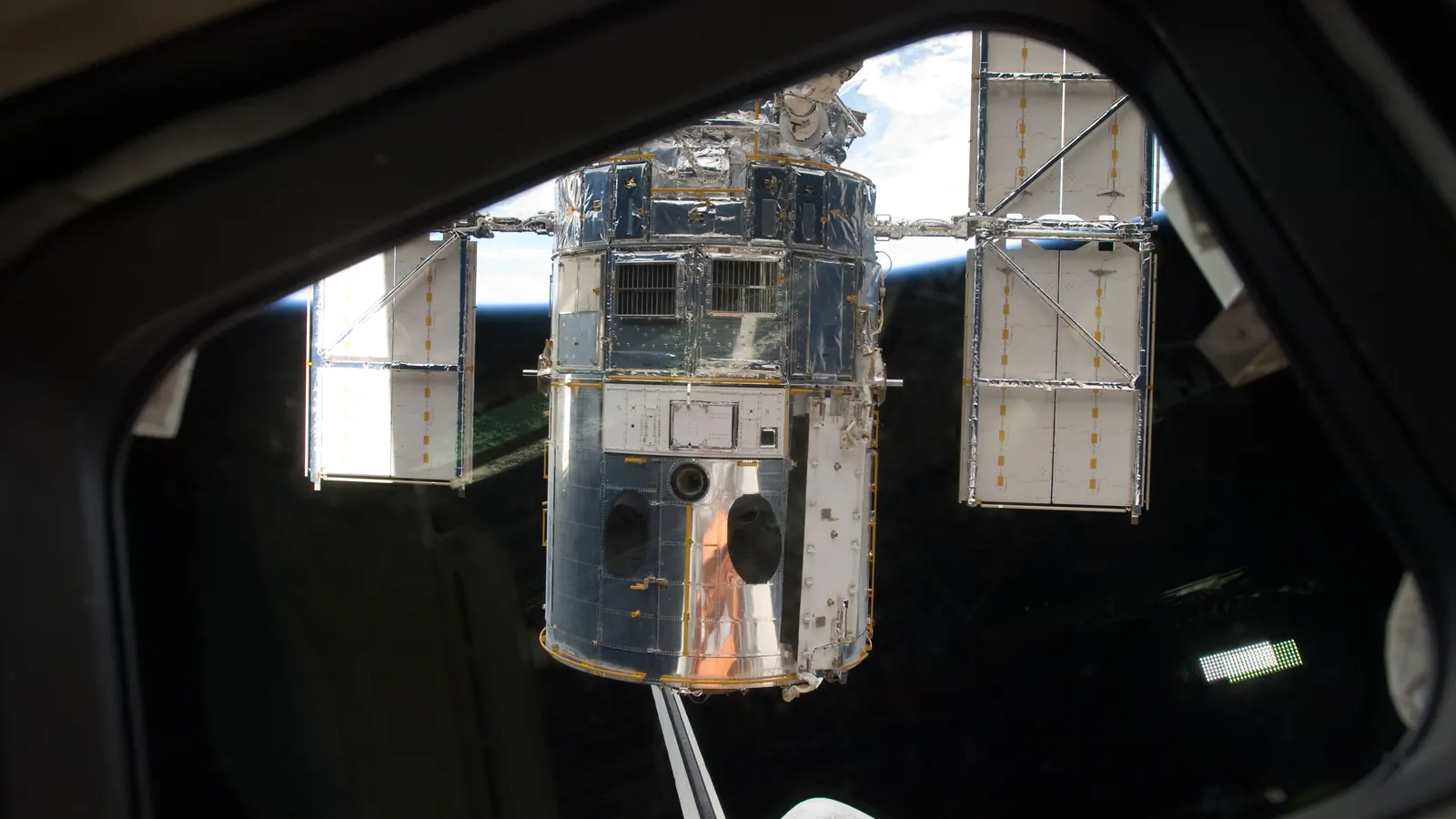
Where is the Hubble Space Telescope now? Orbit and reentry
The Hubble Space Telescope orbits about 470 km up and is sinking roughly 10 km a year. STScI puts its most likely reentry in 2033 unless it gets a boost.
-
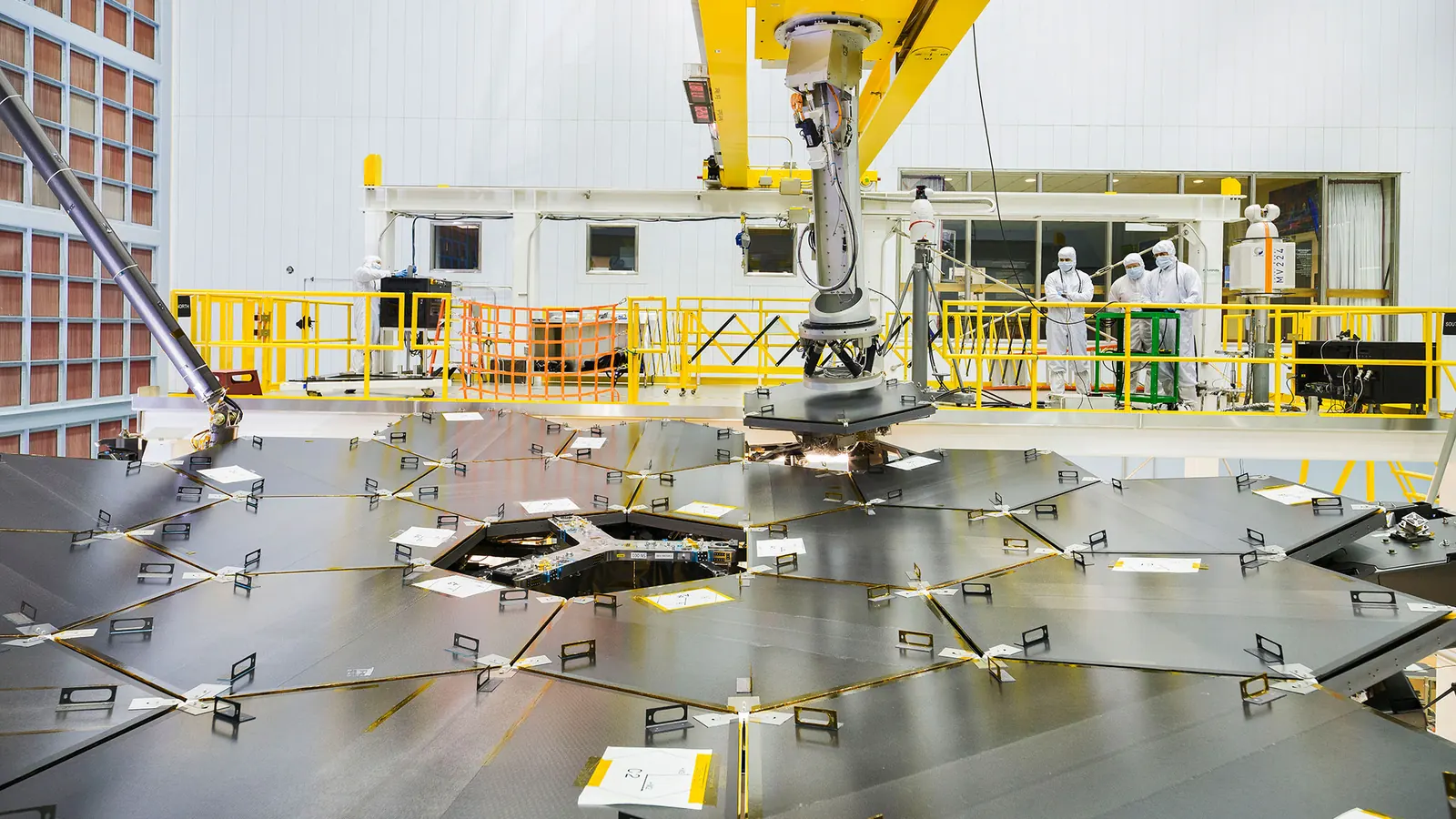
Where is the James Webb Space Telescope? Distance and orbit
The James Webb Space Telescope was 1.36 million km from Earth on October 8, 2026, looping around L2. Its distance swings from 1.2 to 1.75 million km.
-
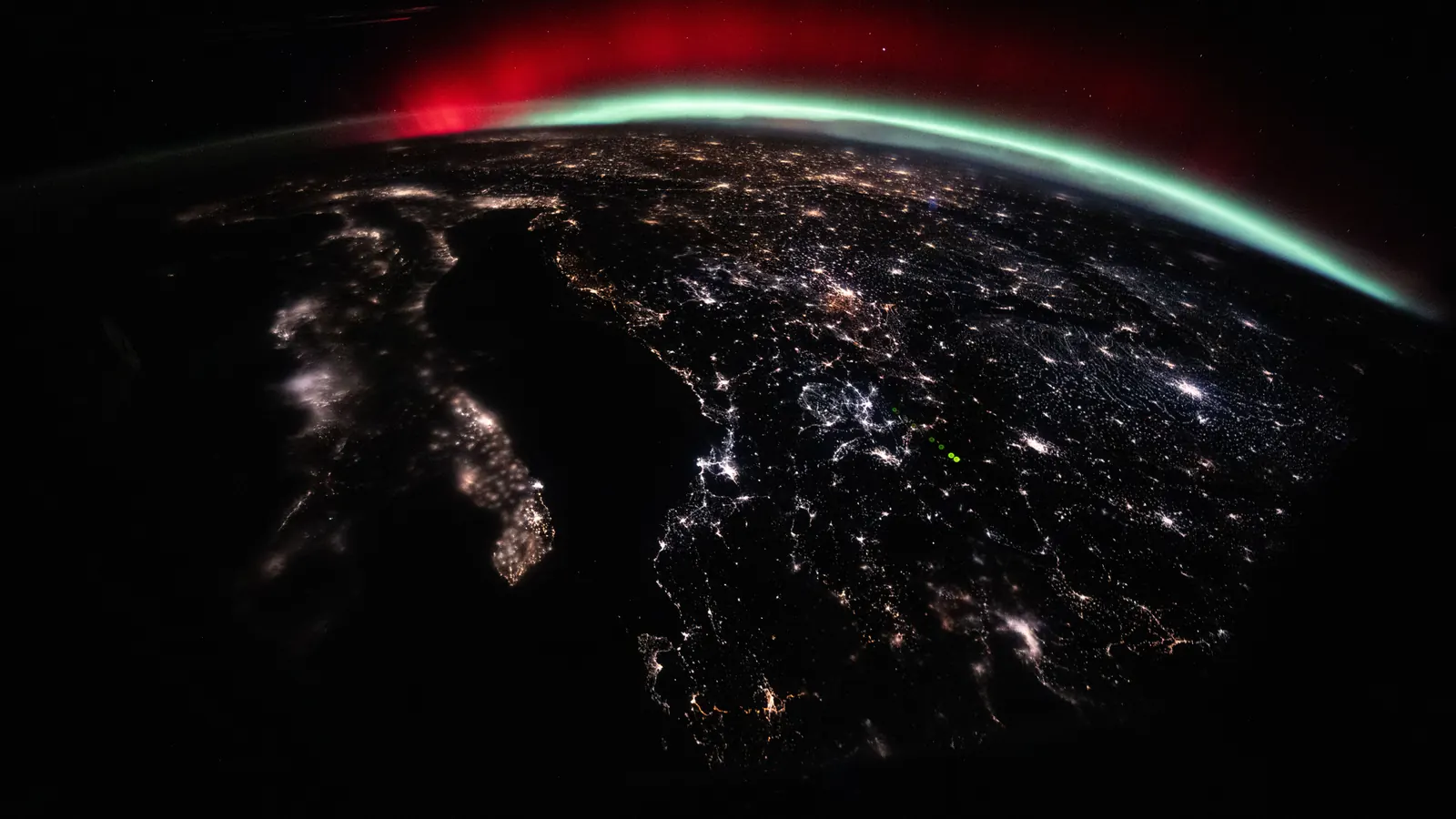
October 10 geomagnetic storm reached G3: aurora outlook
A coronal mass ejection drove a G3 (strong) geomagnetic storm on October 10, 2026. What NOAA measured, who saw aurora and what comes next.
-
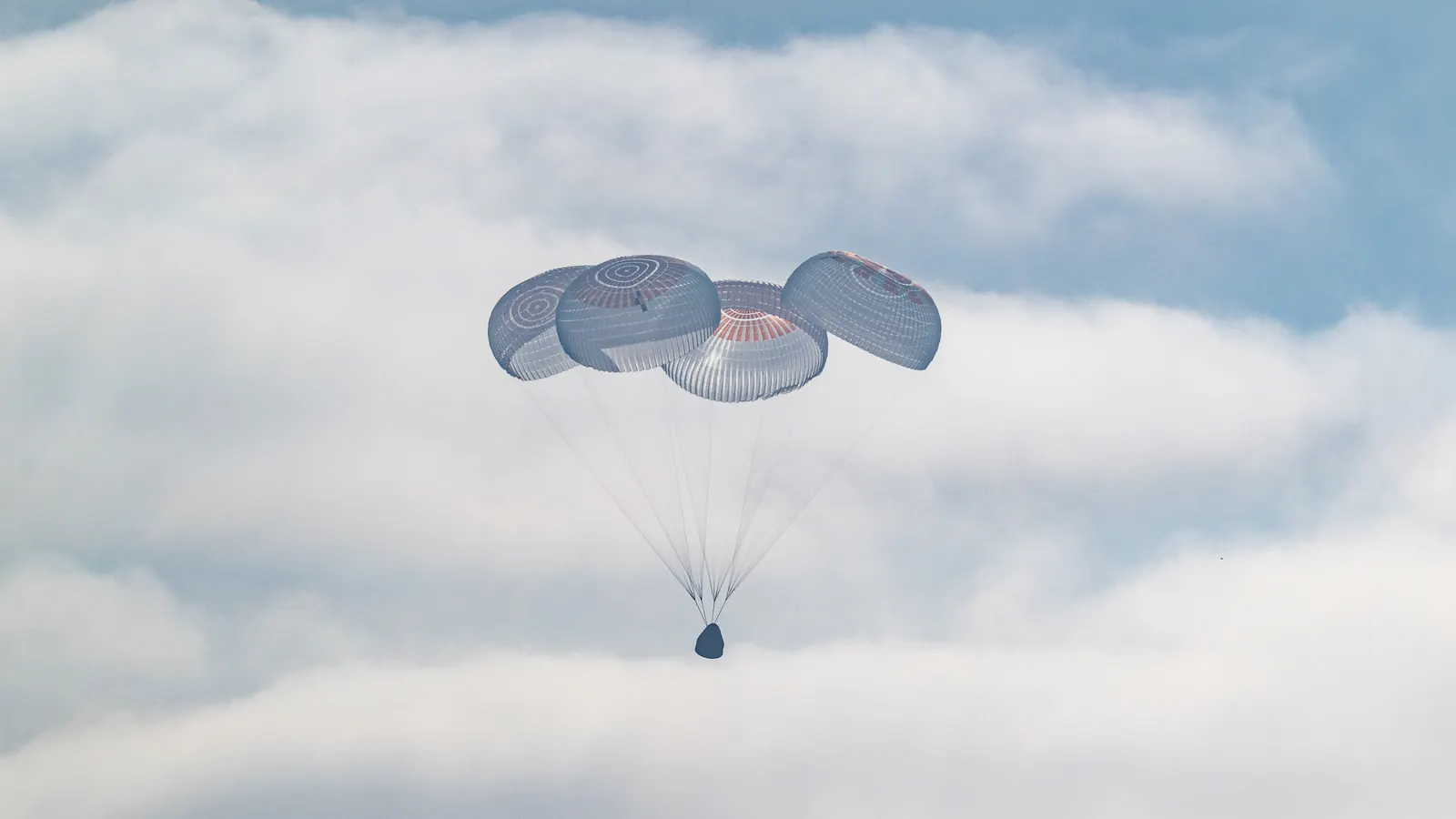
ISS crew swap: Crew-13 sets U.S. record, Crew-12 lands
Crew-13 reached the ISS 7 hours 55 minutes after launch on October 1, a U.S. record. Crew-12 splashed down October 8, and CRS-35 is due October 13.
-
Orionid meteor shower 2026: peak, Moon and satellites
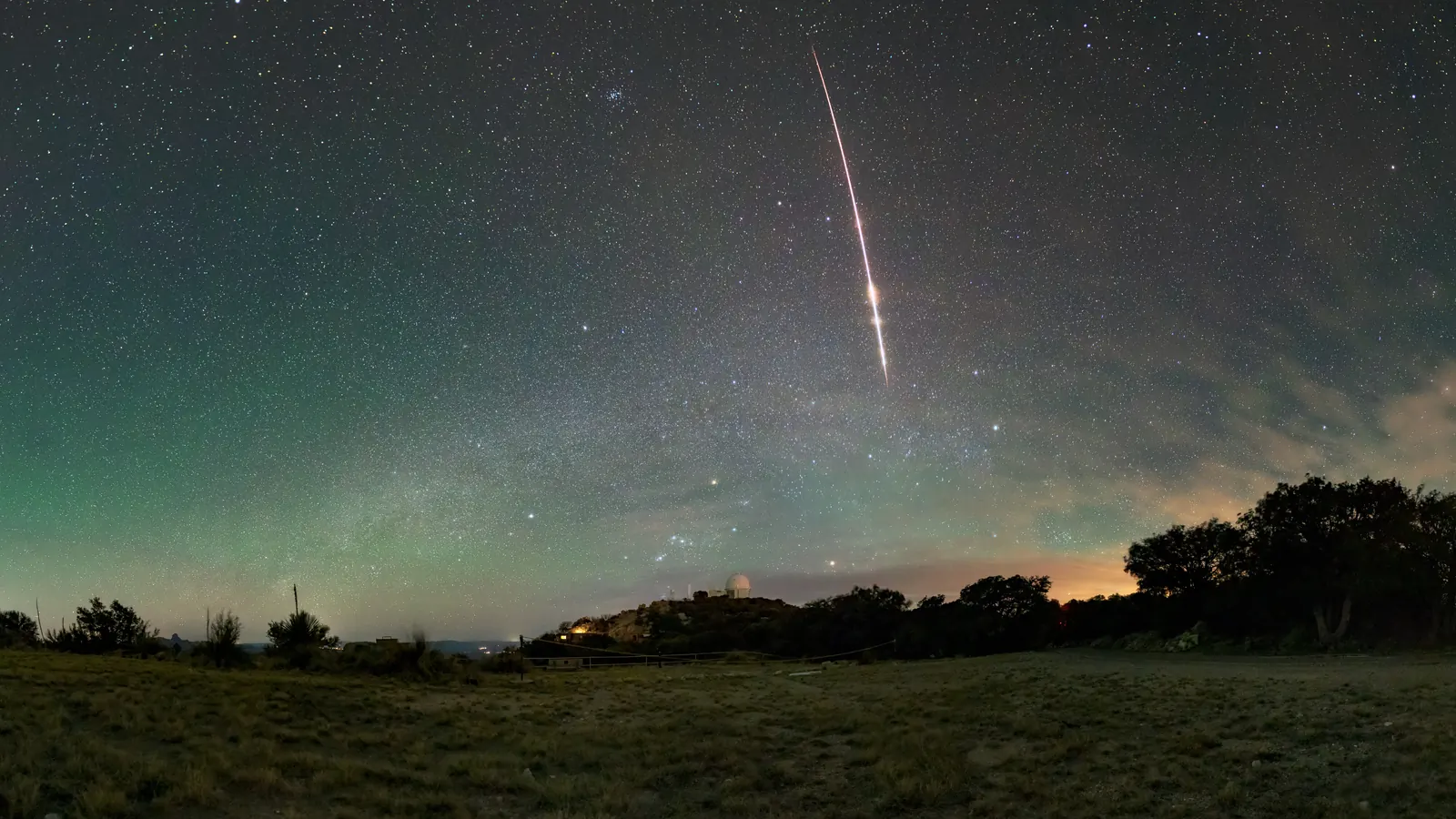
The Orionids peak on the night of October 21-22, 2026 under a bright gibbous Moon. When the Moon sets, and why satellites crowd the hour before dawn.
-
Starship Flight 14 reached orbit: tracking its 26 Starlinks
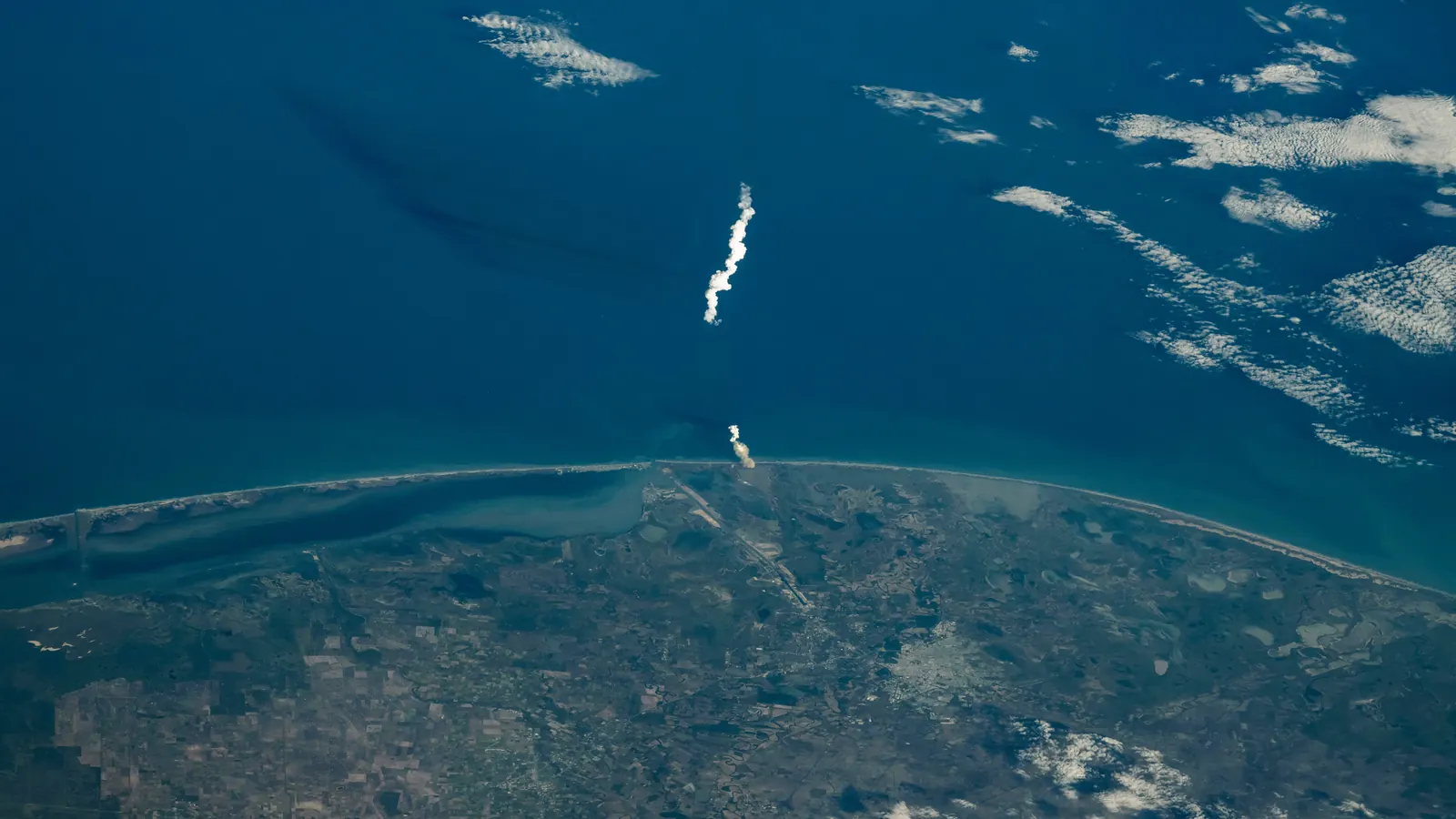
Starship reached orbit for the first time on September 28, 2026 and left 26 Starlink V3 satellites behind. Their NORAD IDs, and how high they've climbed.
-
MMX, Japan's Phobos sample-return mission, launches Oct. 20
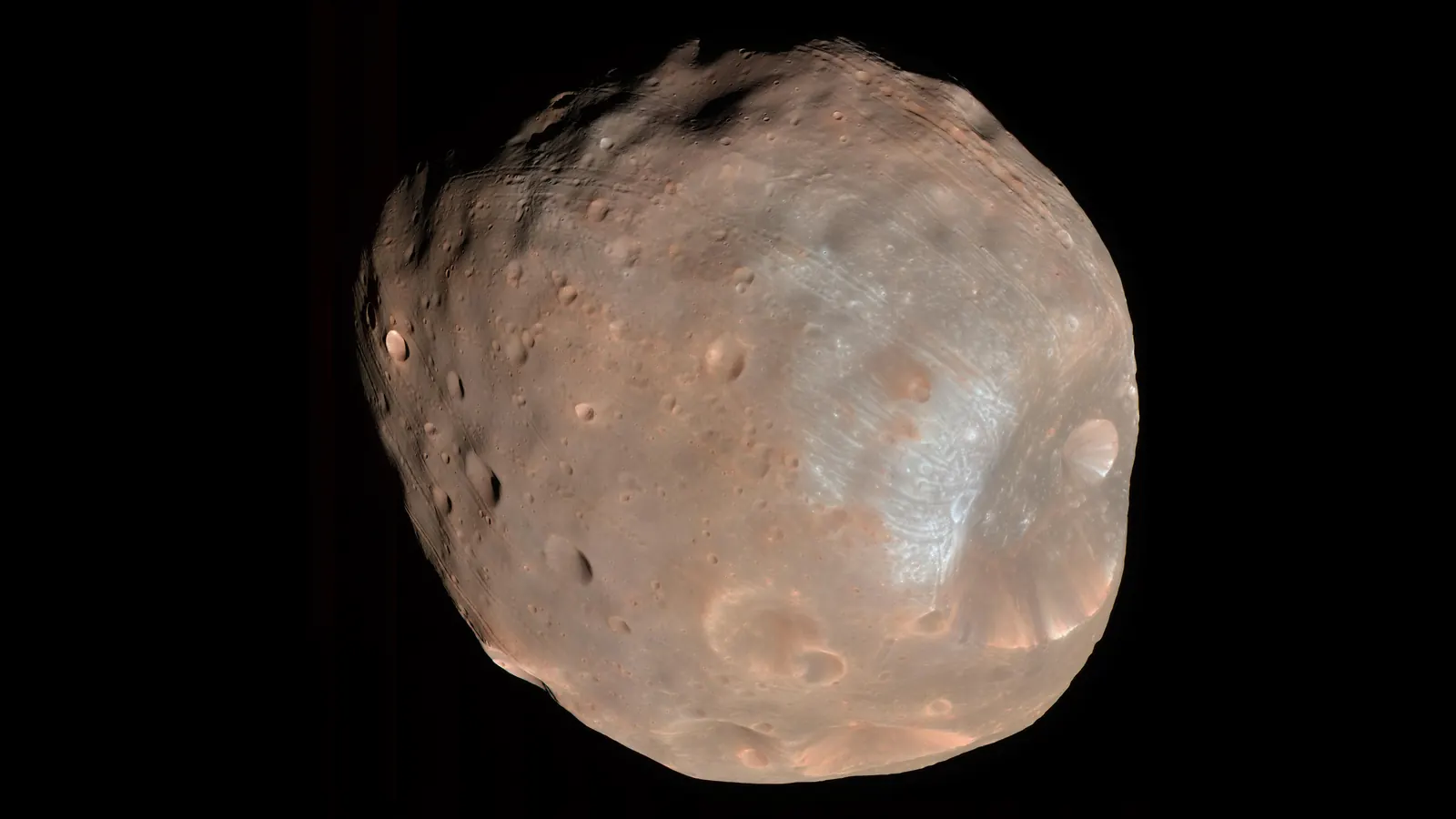
JAXA's MMX is set to launch at 4:41:03 a.m. Japan time on October 20, 2026 (19:41:03 UTC on October 19) for Phobos, with a sample due back in 2031.
-
The satellite catalog ran out of five-digit NORAD IDs
On July 11, 2026 the satellite catalog issued its first six-digit NORAD ID, 100000. Why it stopped at 69,999, how Alpha-5 TLEs work and what broke.
-
Two-thirds of active satellites are now Starlinks
Of 16,621 active satellites in the public catalog, 11,132 are Starlinks. How many satellites are in orbit in 2026, who runs them and where they fly.
-
Voyager 1 will reach one light-day from Earth on Nov. 18
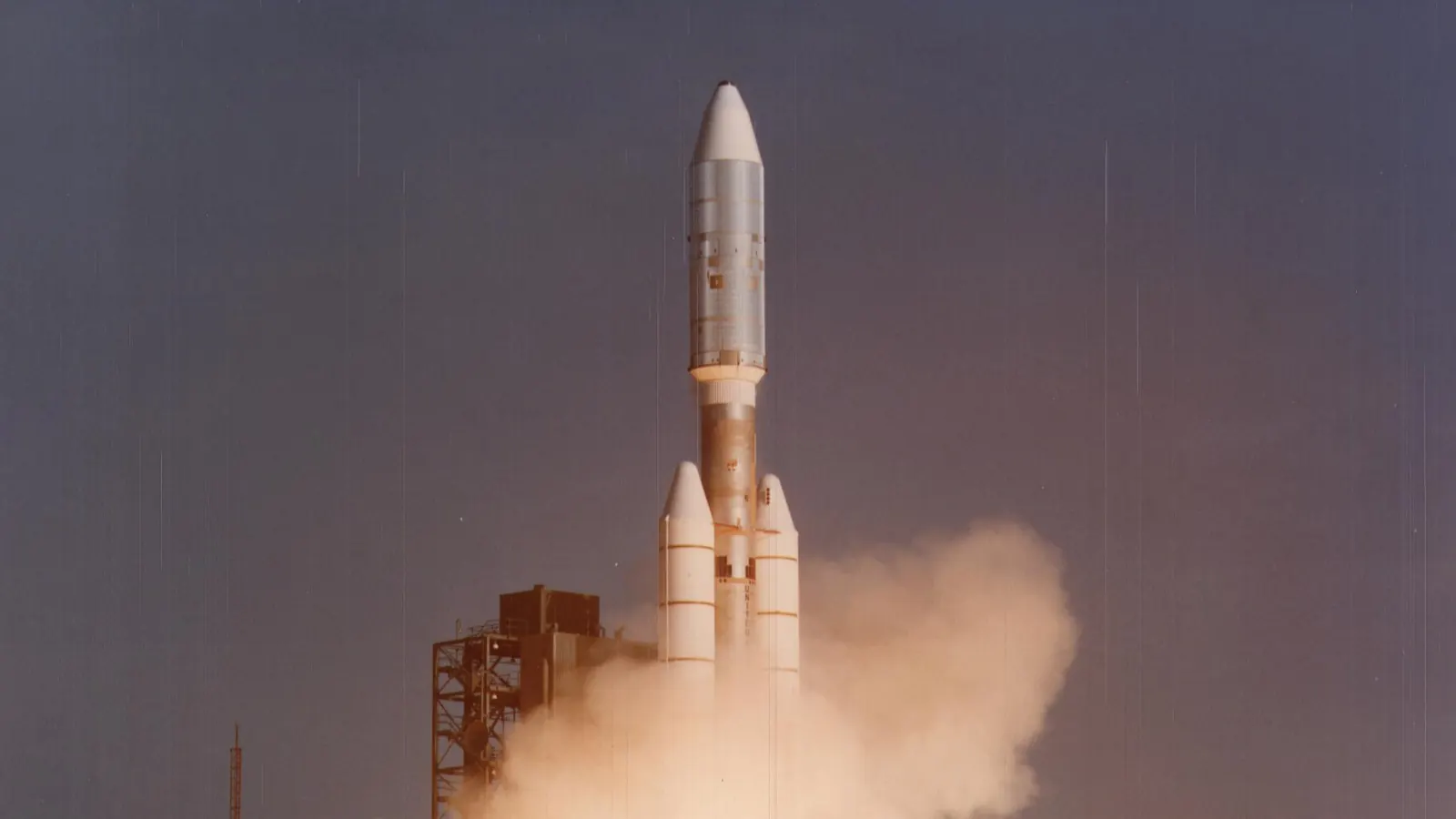
At 10:16 UTC on November 18, 2026, Voyager 1 will be one light-day from Earth. How far that is, how long its signals take, and why it stays past the line.
Home · Live satellite map · Satellite directory · Starlink · OneWeb · Navigation satellites · Space stations · Other active satellites · Track the ISS · ISS visible passes · Starlink train · Rocket launches · Aurora forecast · Humans in space · Solar System · Deep Space · Embed widgets · Blog · Guide: spot the ISS · Guide: what is a TLE? · Guide: how many satellites? · Guide: satellite trackers compared · Discovery: Elias 2-24 b · About · FAQ · Data & methodology · Credits · Editorial policy · Accessibility · Contact · Privacy · Terms
© 2026 WatchSat · Not affiliated with any space agency or satellite operator.