Tracking
How satellites move and how to follow them: orbit types, speeds and altitudes, and where telescopes and space stations are right now.
Top stories
-
What is Kessler syndrome? How a space debris cascade works
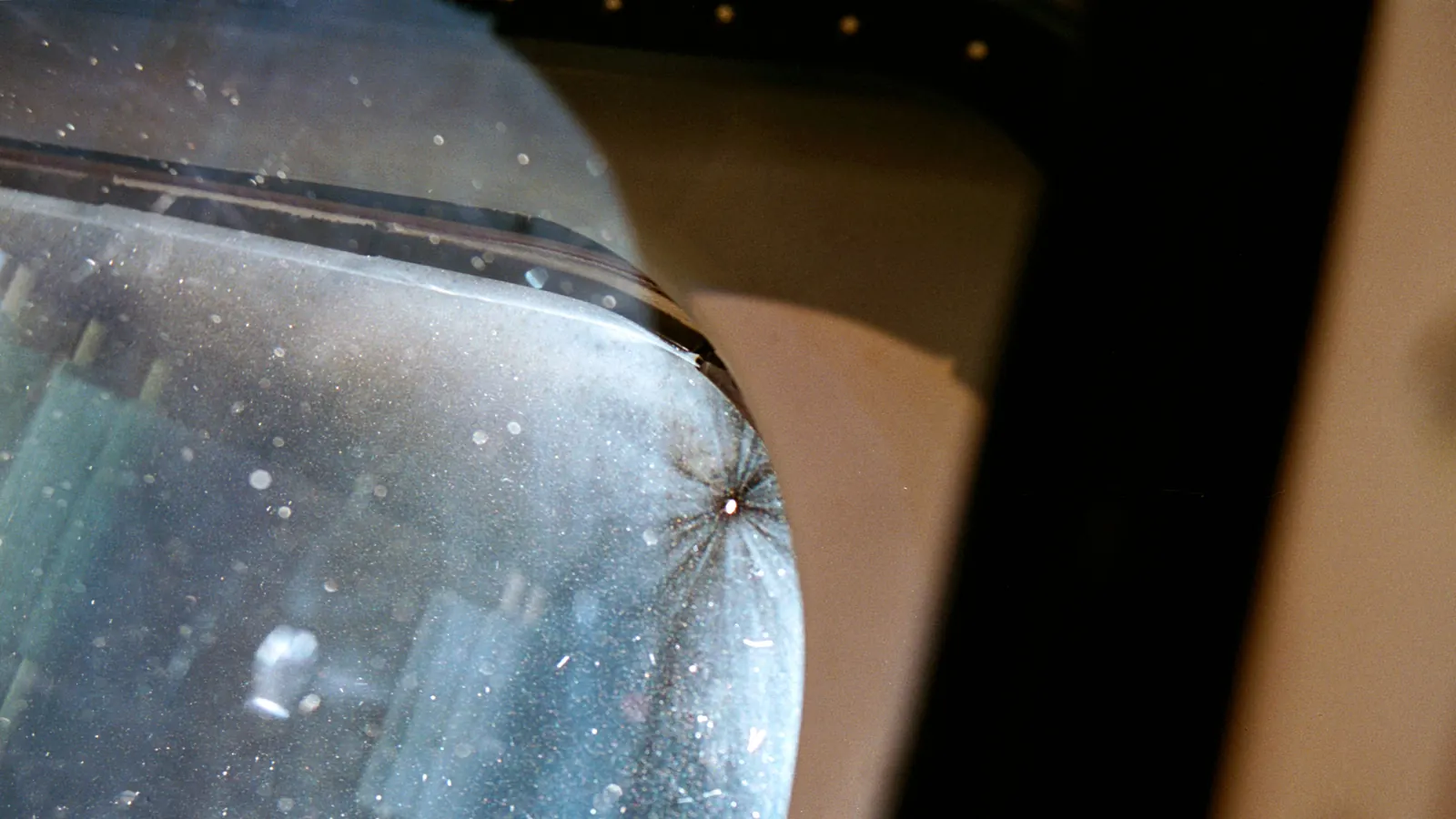
Kessler syndrome is a runaway chain of collisions in orbit, first described in 1978. ESA's 2026 report projects low-orbit collisions climbing fast.
-
What is OneWeb? Owner, satellite count and orbits
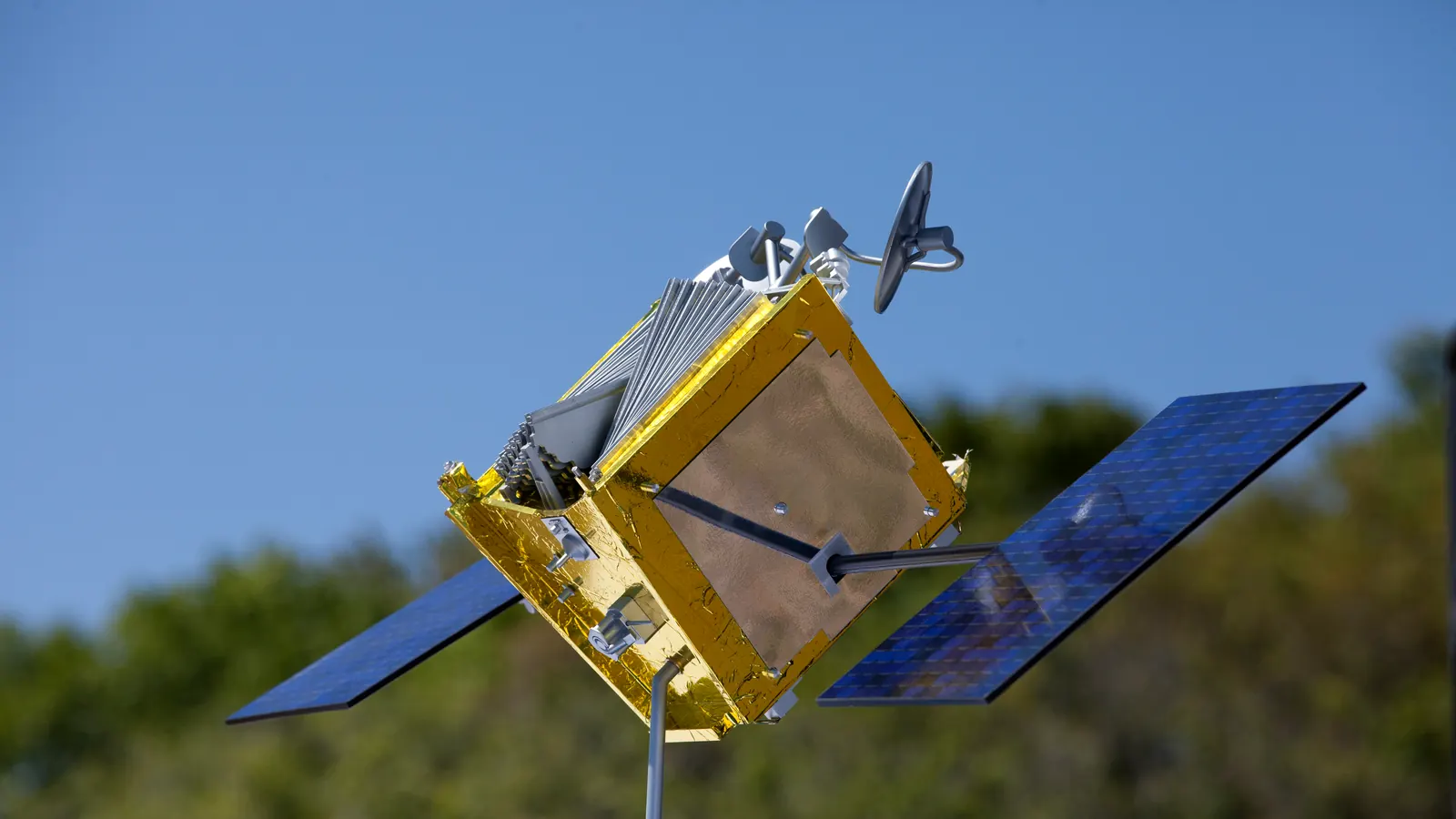
OneWeb is Eutelsat's broadband network in low Earth orbit. On October 11, 2026, our catalog held 651 OneWeb satellites, about 1,200 km up in 12 planes.
-
Where does space begin? The Kármán line, 100 km or 80 km
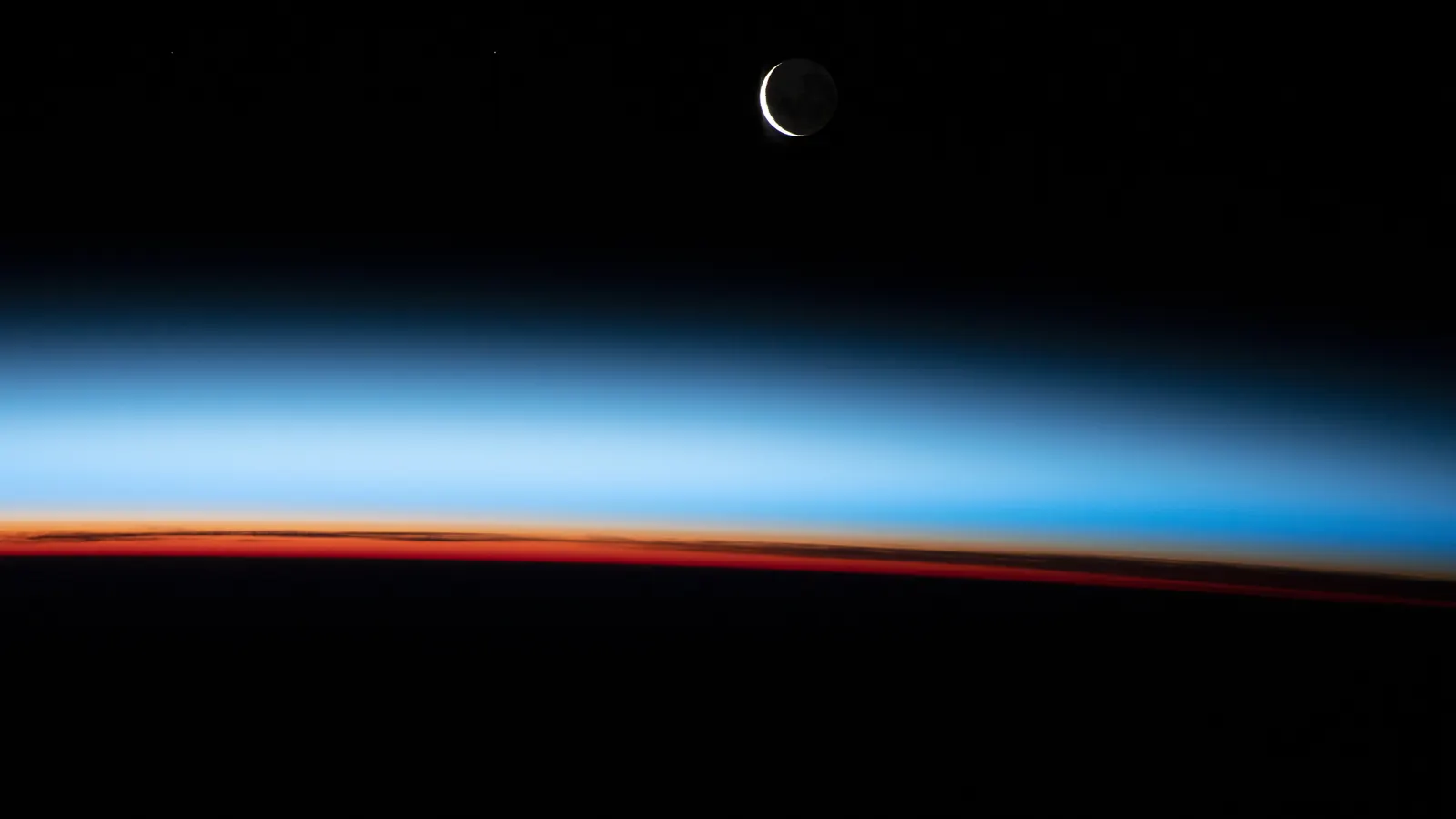
Where does space begin? FAI's Kármán line is 100 km (62 miles), the US uses 50 miles (80 km), and no law sets it. Nothing in our Oct 11 data was below 164.7 km.
-
How do satellites stay in orbit? Speed, drag and fuel
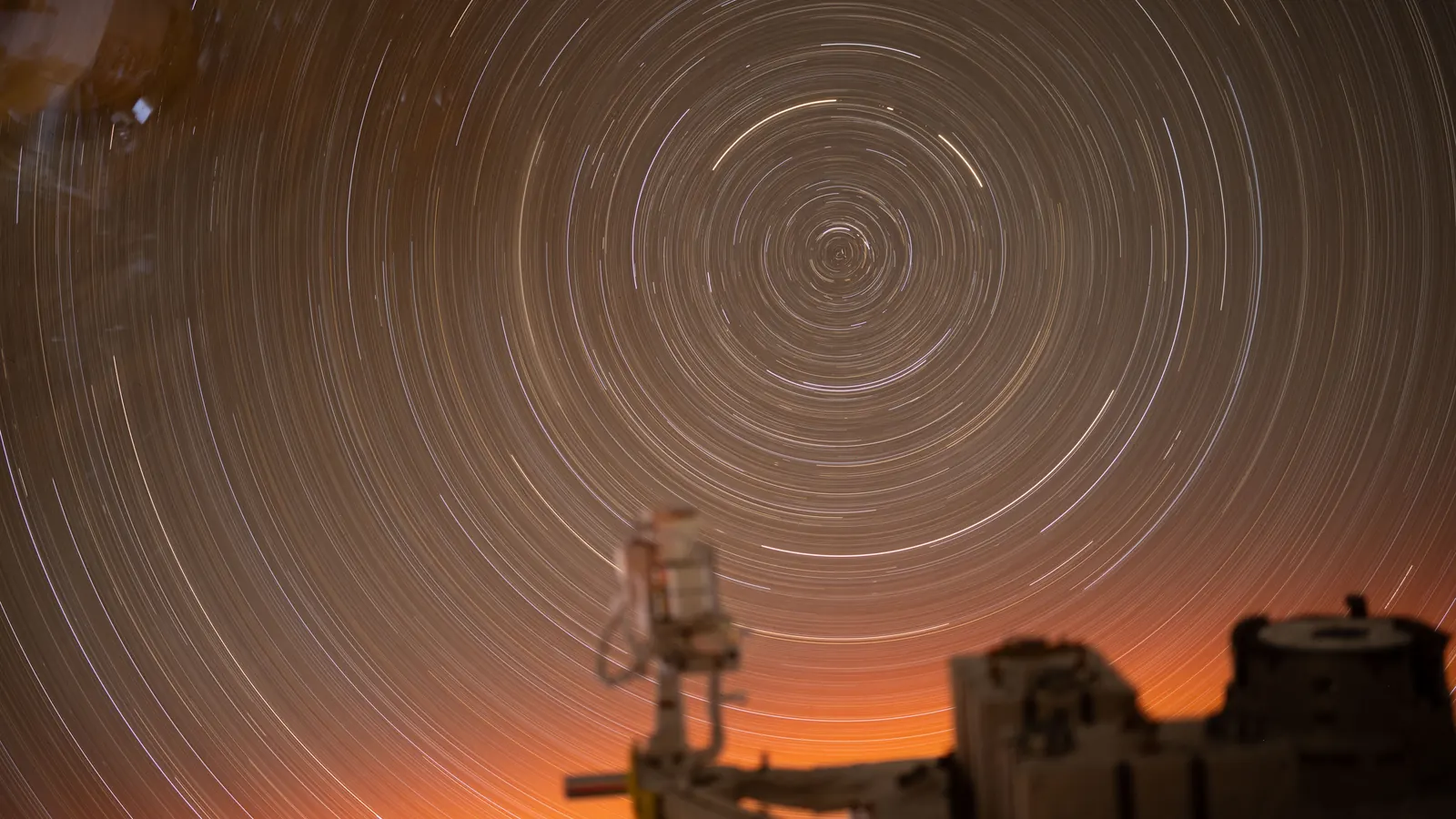
How do satellites stay in orbit? They fall all the time but move sideways fast enough to keep missing Earth: about 7.7 km/s at the ISS's 420 km height.
-
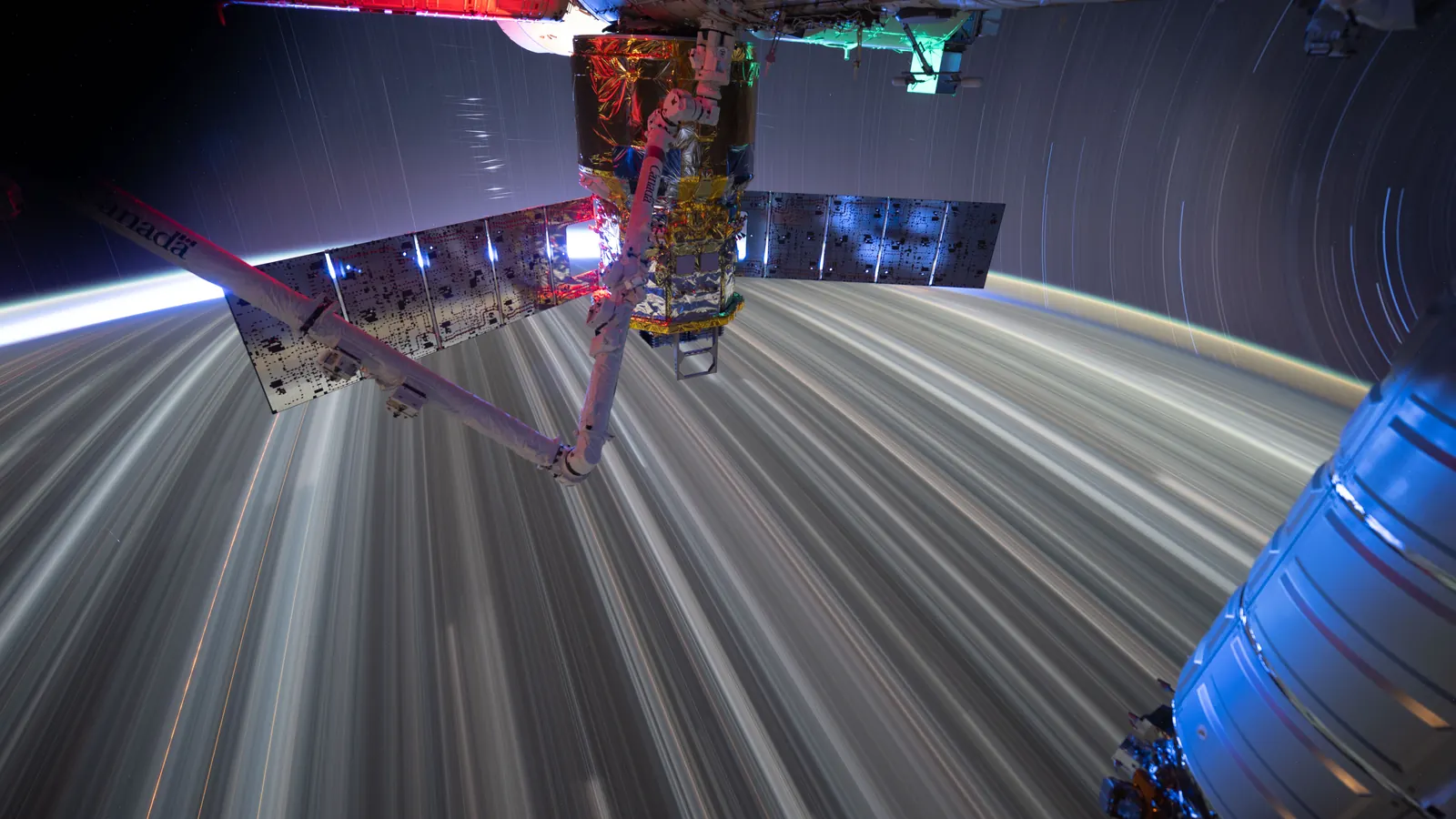
How does Starlink work? Orbits, dishes and laser links
Starlink links a phased-array dish to more than 11,000 satellites, most in shells about 460 to 485 km up, which relay traffic by laser and through gateways.
Latest
-
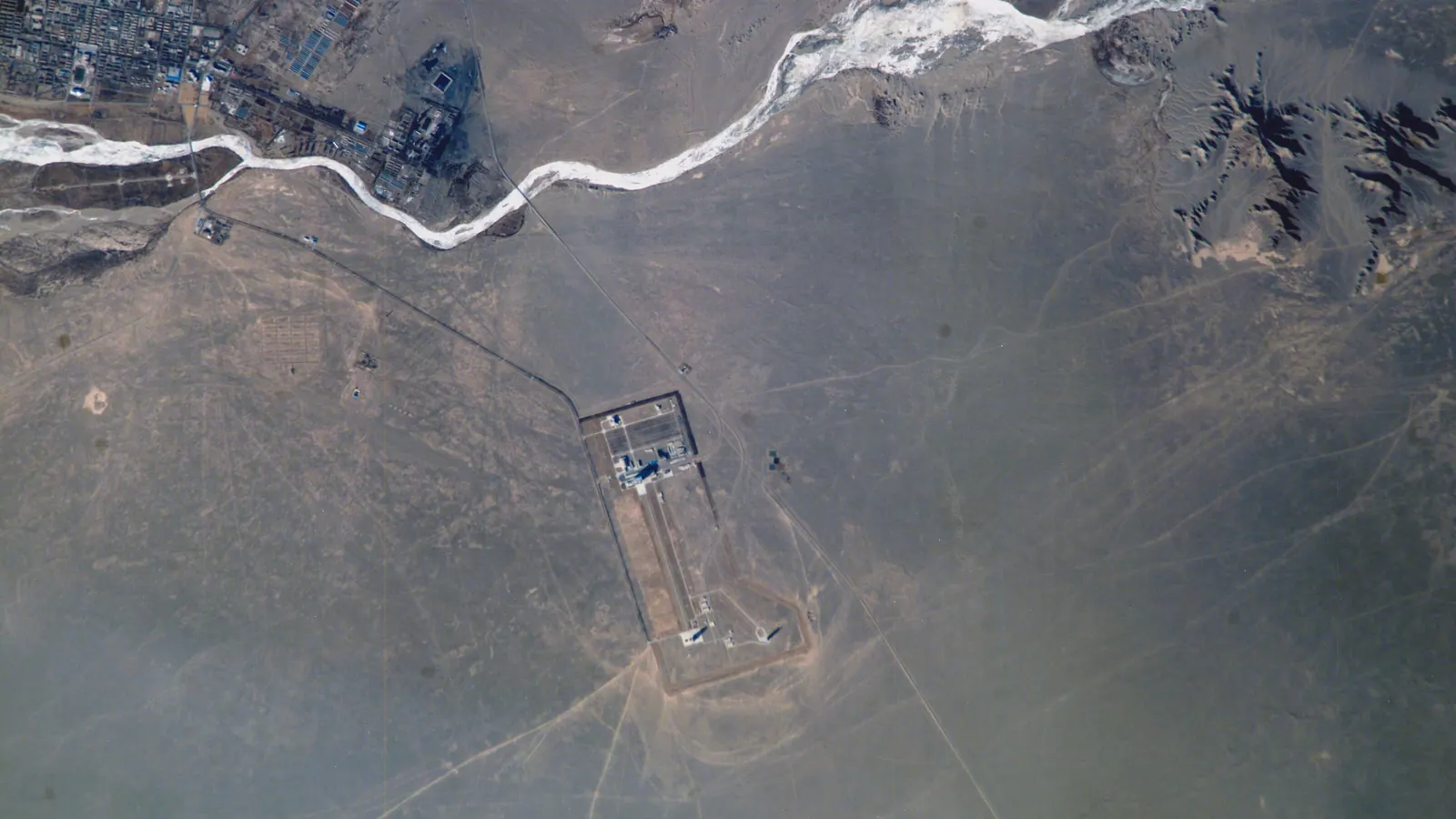
Where is China's Tiangong space station? Orbit and crew
China's Tiangong space station orbits about 386 km up on a 41.5° tilt, so it stays between 41.5° N and S. Who's aboard, its size, and where you can see it.
-
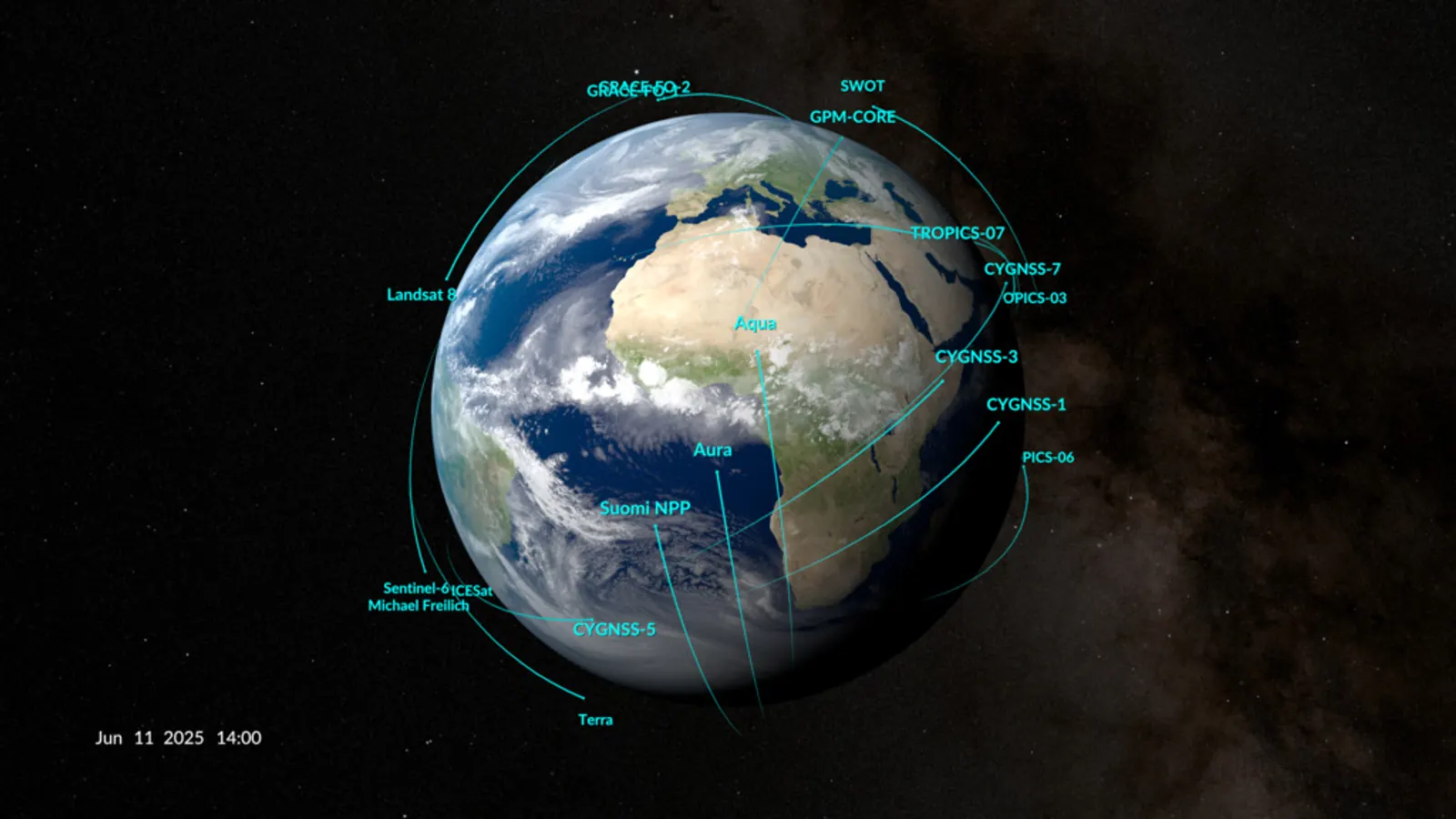
What are the types of orbits? LEO, MEO, GEO and HEO
The main types of orbits are LEO, MEO, GEO and HEO. Of 16,701 objects on CelesTrak's active list on October 11, 2026, 95 percent were in low Earth orbit.
-
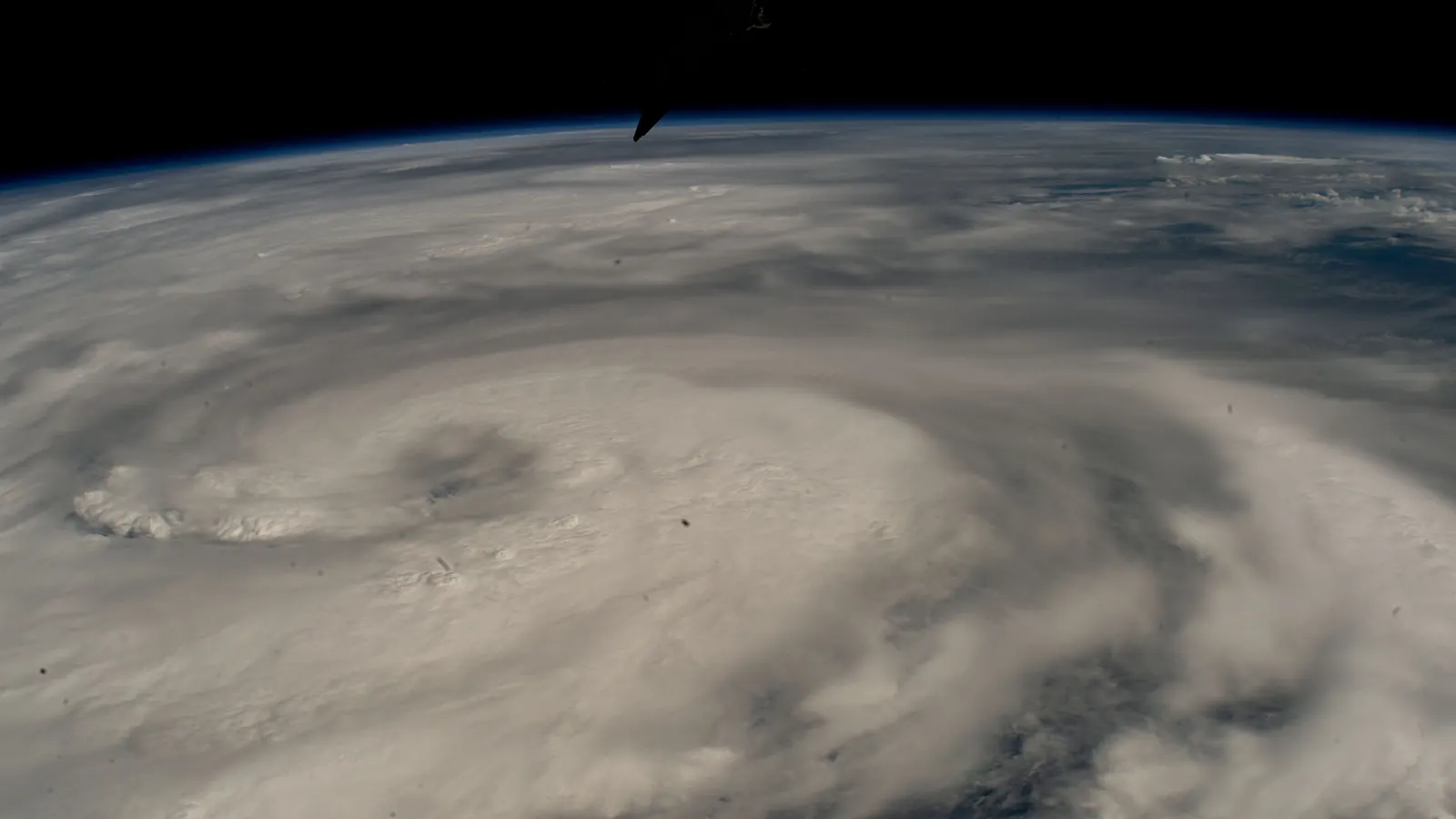
How do weather satellites work? Orbits, sensors and data
How weather satellites work: geostationary imagers 35,786 km up scan a full disc every 10 minutes, and low orbiters supply over 80% of forecast model data.
-
What is a geostationary orbit? Height, speed and delay
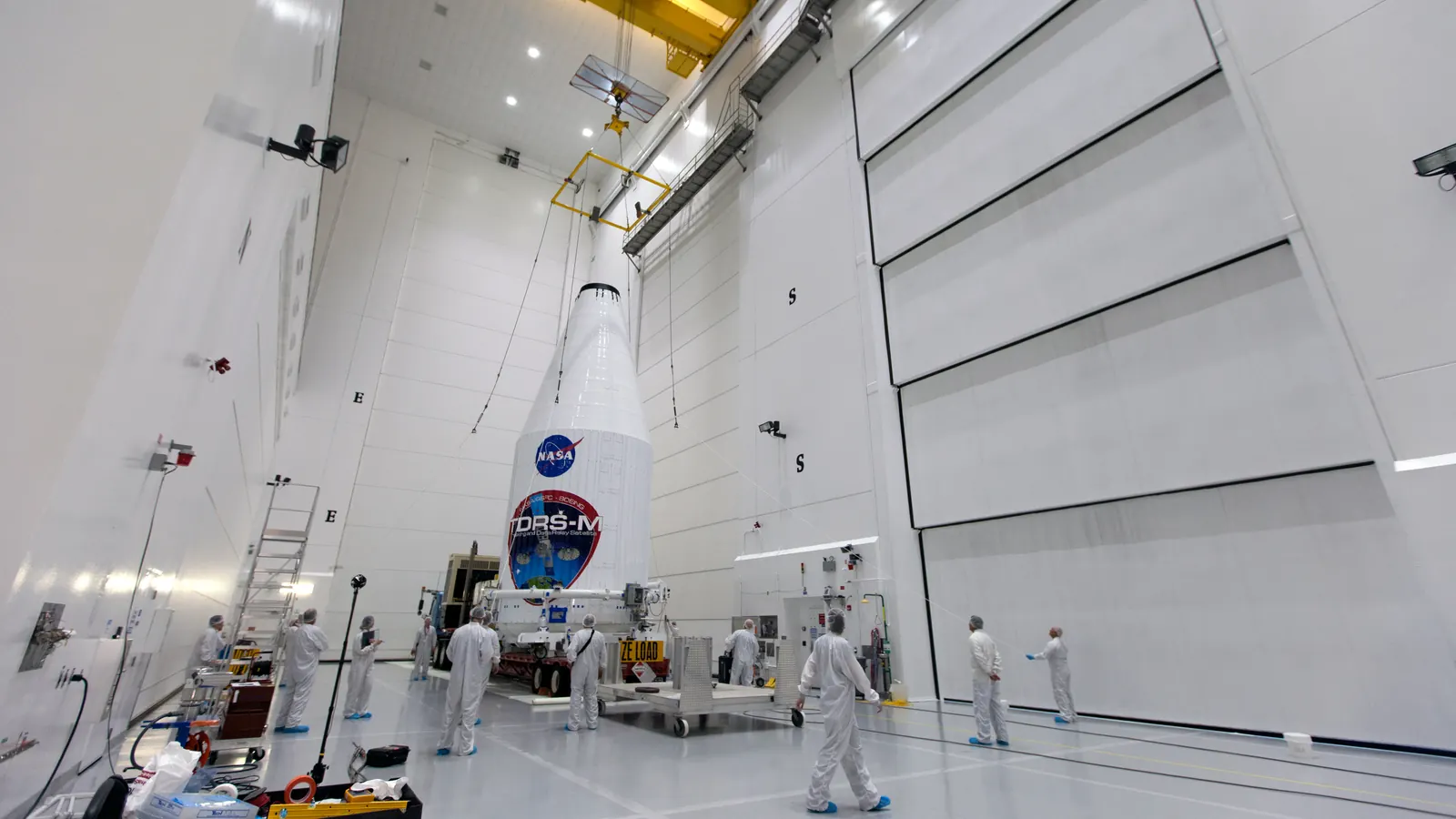
A geostationary orbit is a circle 35,786 km above the equator where a satellite keeps pace with Earth's spin and seems to hang still. We counted 573 there.
-
How many GPS satellites are there? Height and how GPS works
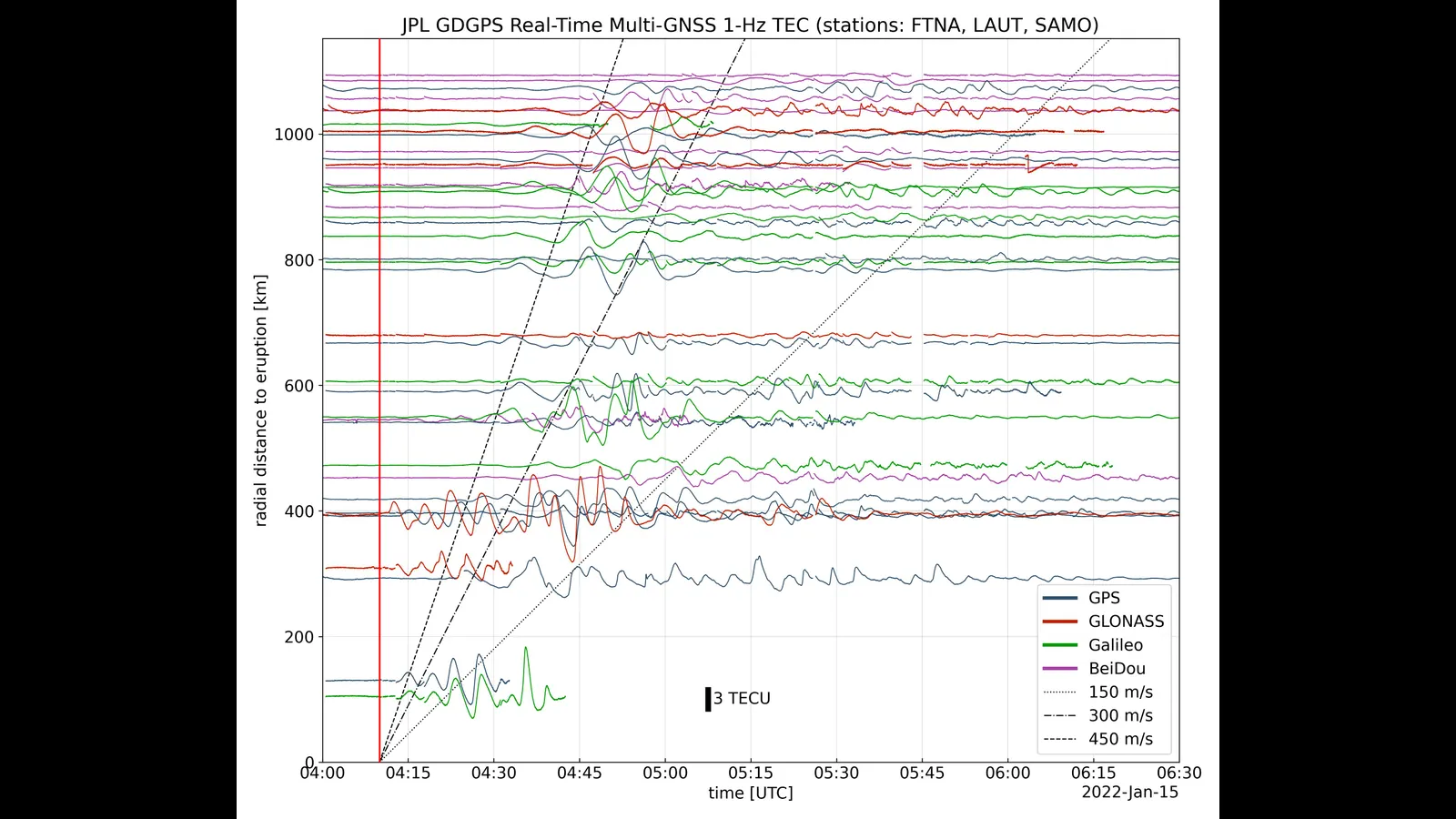
The U.S. Space Force counted 32 operational GPS satellites in April 2026, about 20,200 km up. How GPS works, and how Galileo, GLONASS and BeiDou compare.
-
How fast does the ISS travel? Speed, altitude and orbit
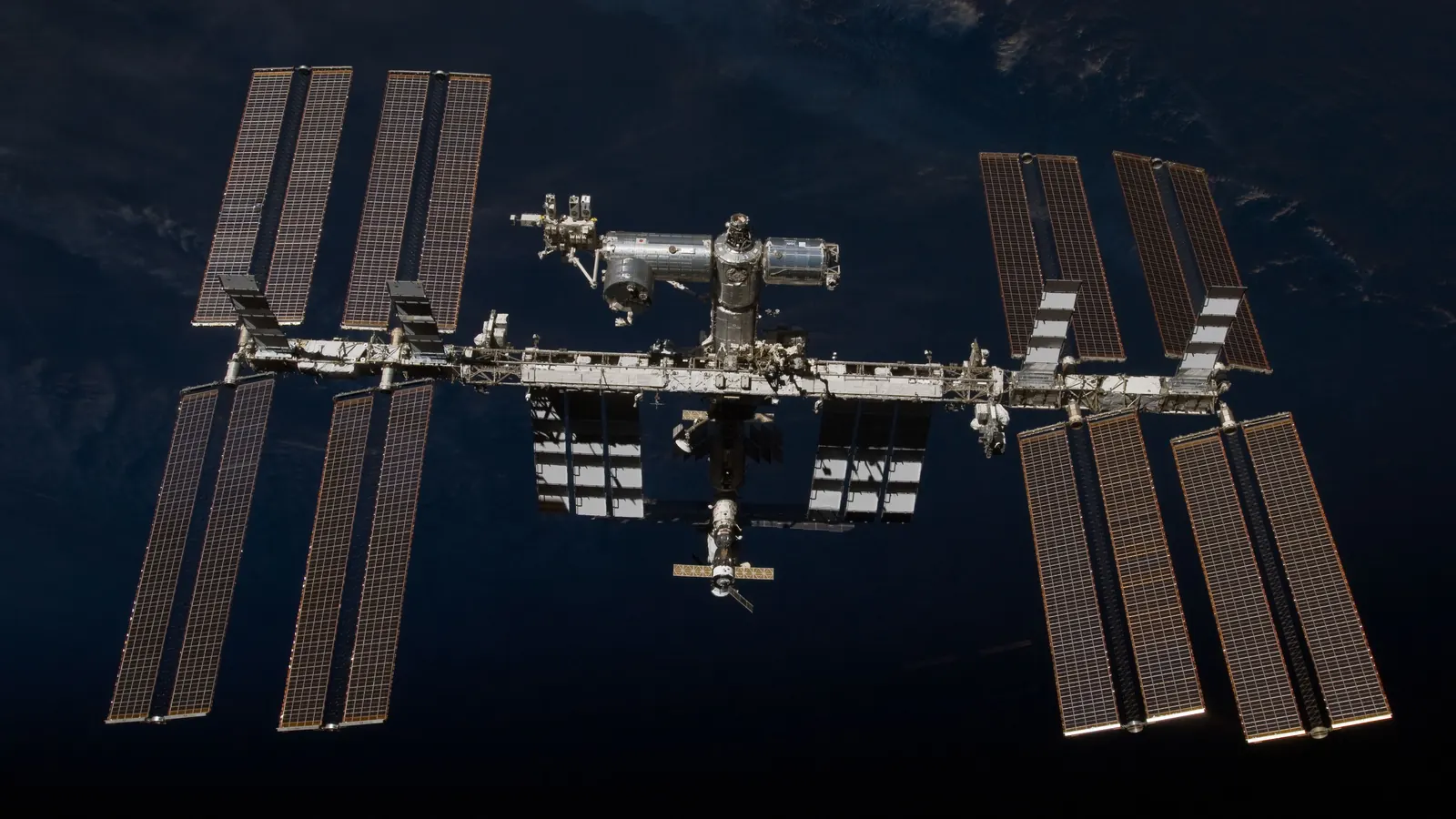
How fast does the ISS travel? About 17,100 mph (7.66 km/s), circling Earth every 93 minutes 420 km up. Why it sinks, and how it gets pushed back up.
-
How much space debris is in orbit? 2026 counts and risks
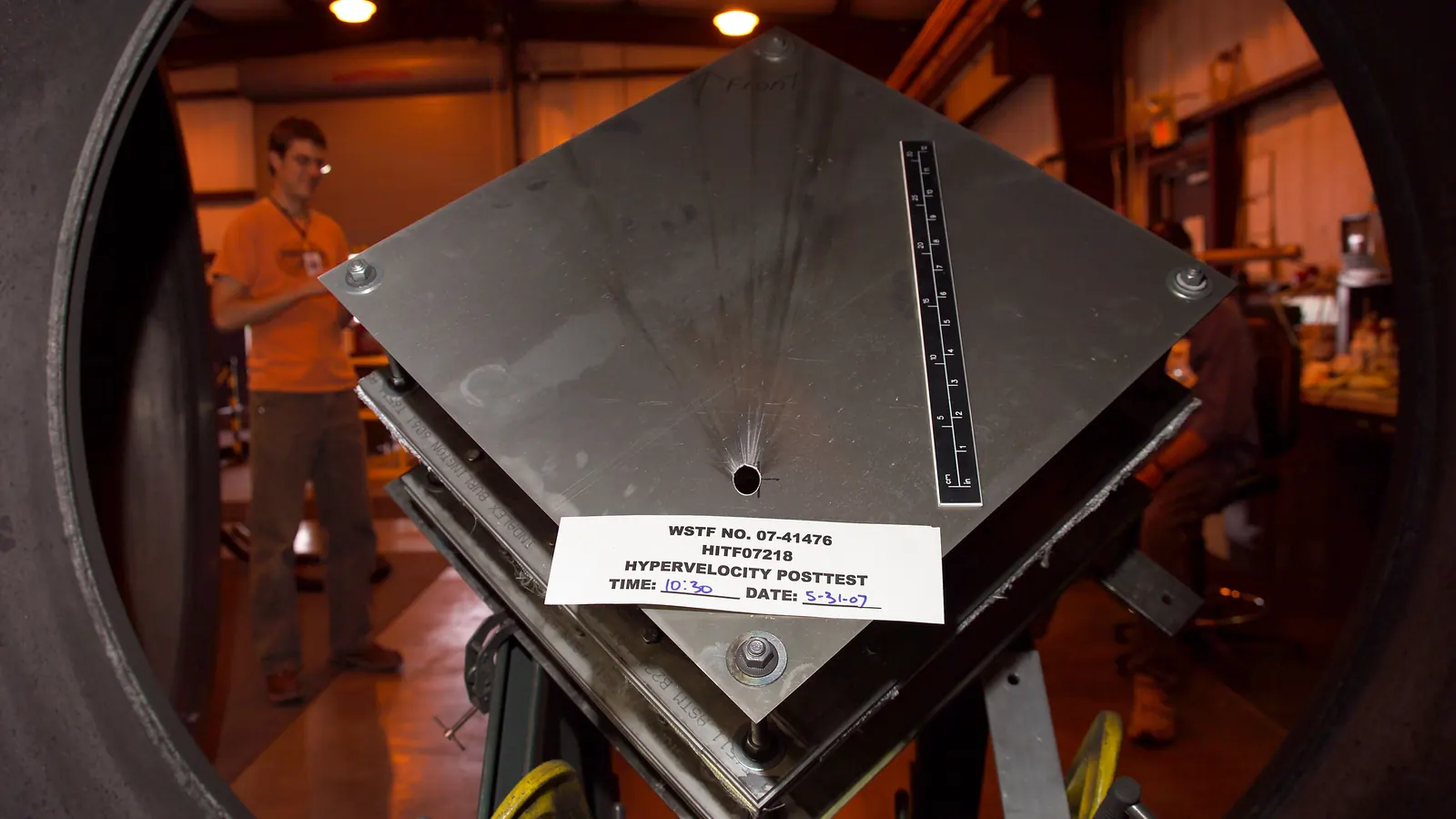
How much space debris is in orbit? The US catalog lists about 34,000 objects, ESA counts about 47,000 tracked, and models estimate 1.5 million of 1 to 10 cm.
-
What is a sun-synchronous orbit? Polar orbits and dawn-dusk
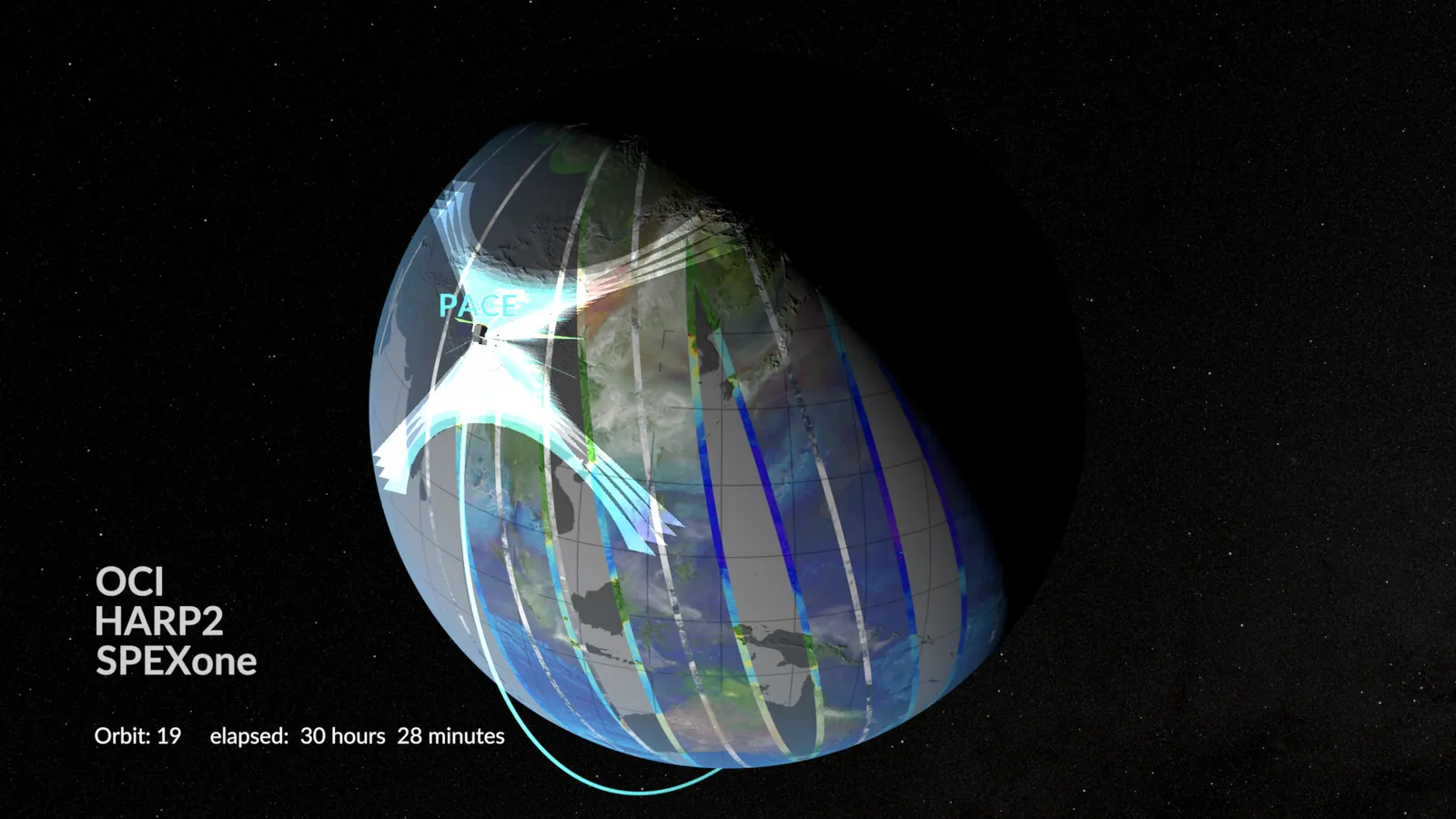
A sun-synchronous orbit turns 0.9856° a day with the Sun, so Landsat 9 crosses the equator southbound near 10:12 a.m. One in five active satellites flies one.
-
Where is the Hubble Space Telescope now? Orbit and reentry
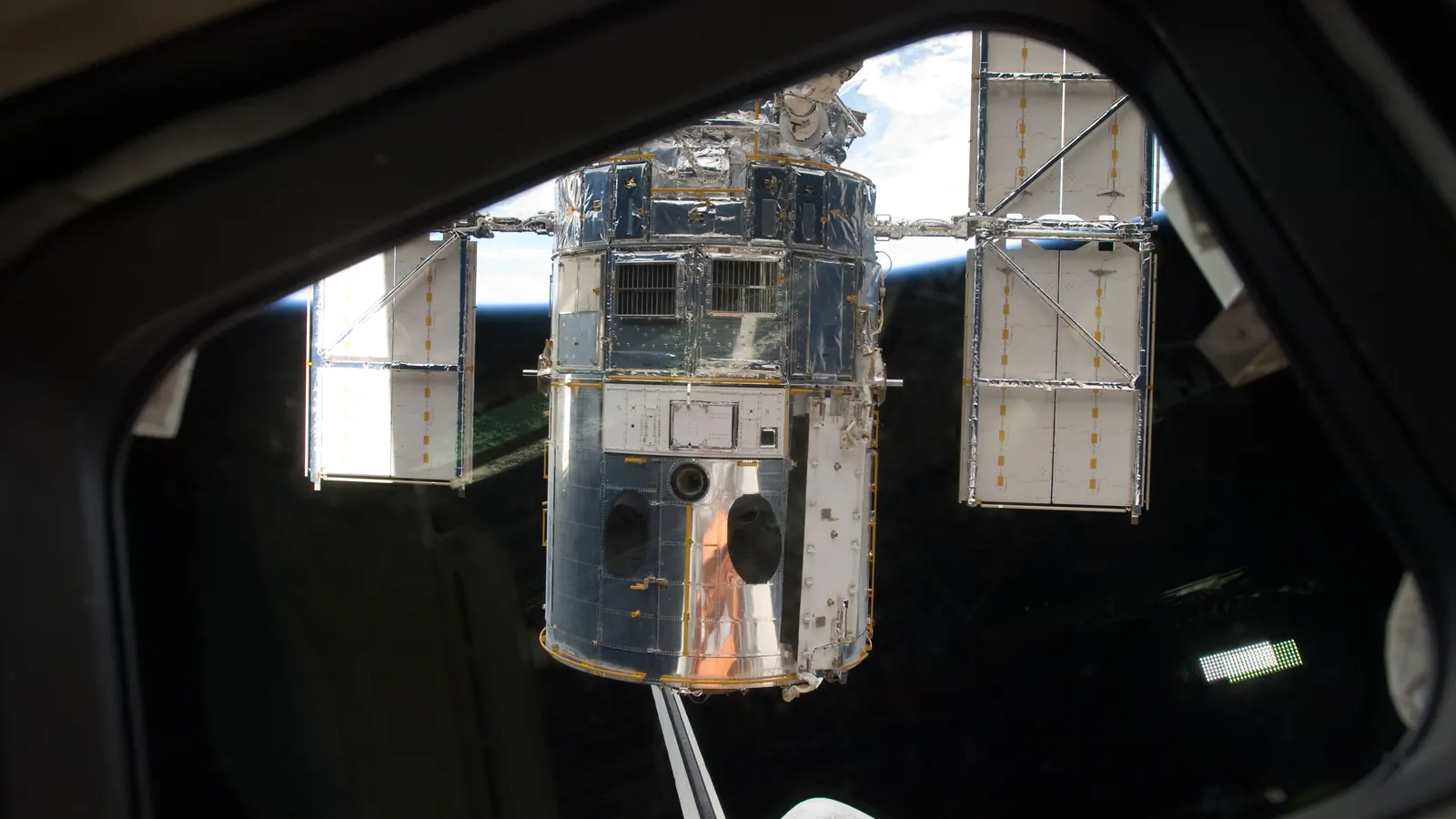
The Hubble Space Telescope orbits about 470 km up and is sinking roughly 10 km a year. STScI puts its most likely reentry in 2033 unless it gets a boost.
-
Where is the James Webb Space Telescope? Distance and orbit
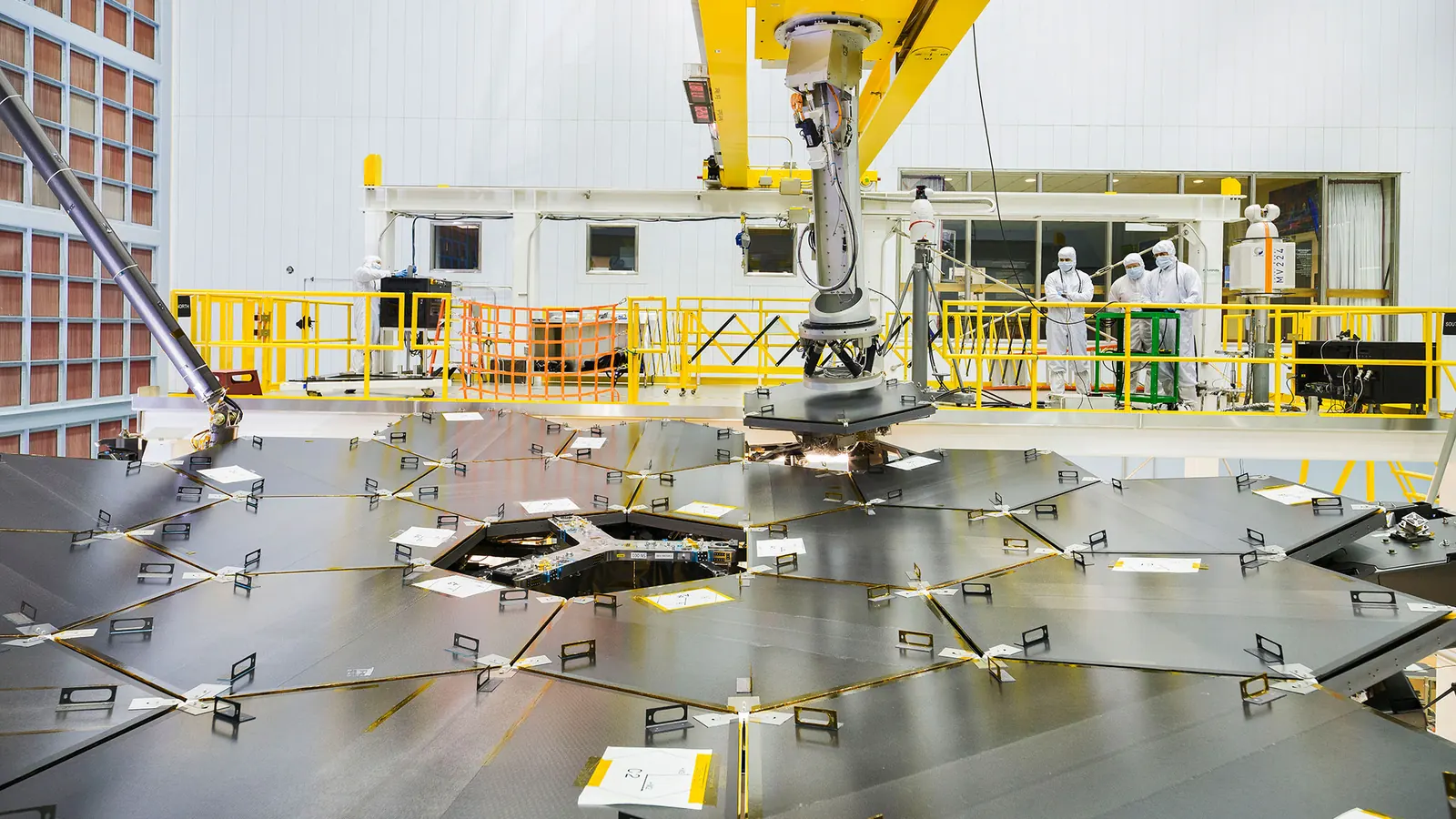
The James Webb Space Telescope was 1.36 million km from Earth on October 8, 2026, looping around L2. Its distance swings from 1.2 to 1.75 million km.
-
Starship Flight 14 reached orbit: tracking its 26 Starlinks
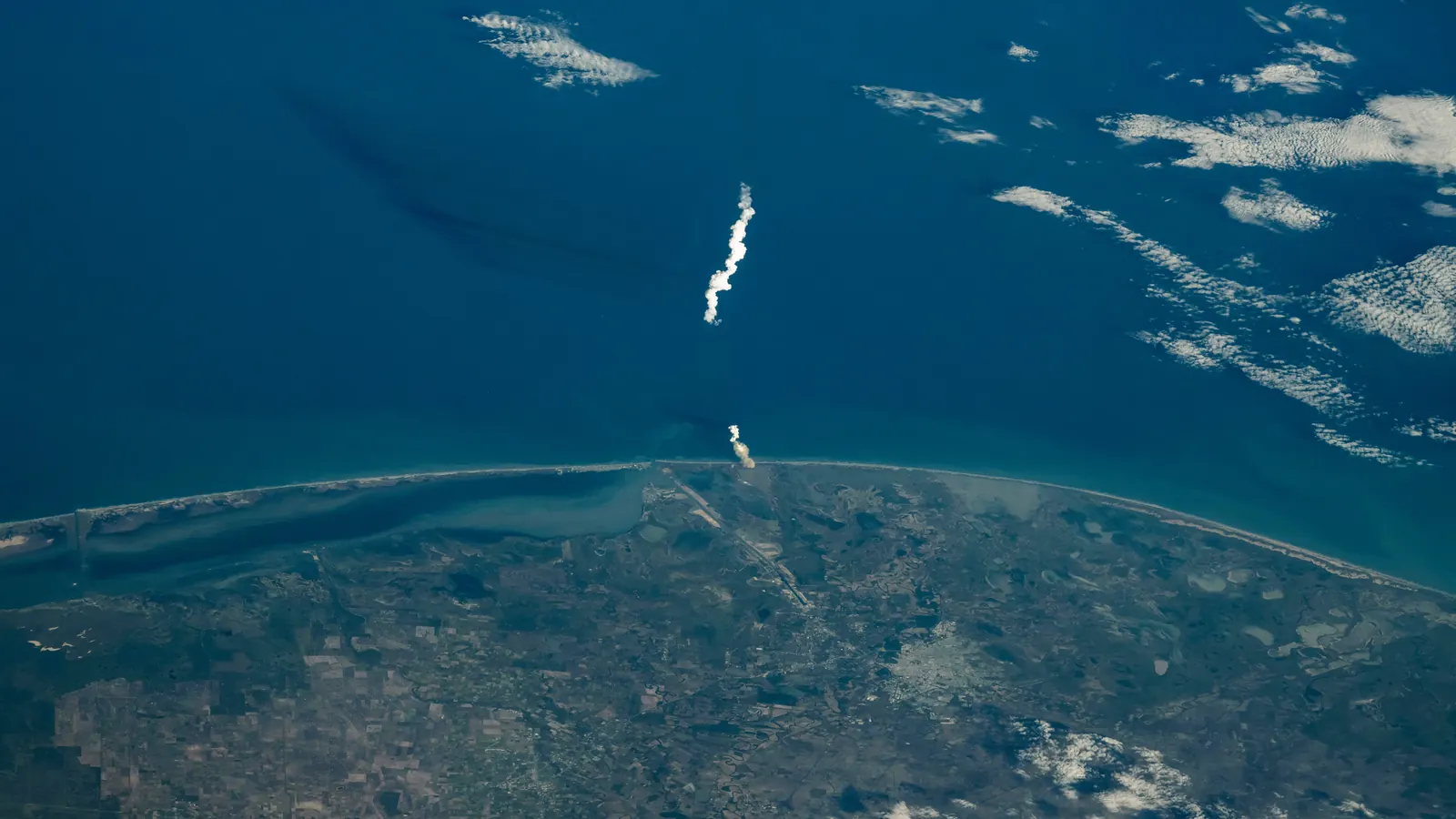
Starship reached orbit for the first time on September 28, 2026 and left 26 Starlink V3 satellites behind. Their NORAD IDs, and how high they've climbed.
-
The satellite catalog ran out of five-digit NORAD IDs
On July 11, 2026 the satellite catalog issued its first six-digit NORAD ID, 100000. Why it stopped at 69,999, how Alpha-5 TLEs work and what broke.
Home · Live satellite map · Satellite directory · Starlink · OneWeb · Navigation satellites · Space stations · Other active satellites · Track the ISS · ISS visible passes · Starlink train · Rocket launches · Aurora forecast · Humans in space · Solar System · Deep Space · Embed widgets · Blog · Guide: spot the ISS · Guide: what is a TLE? · Guide: how many satellites? · Guide: satellite trackers compared · Discovery: Elias 2-24 b · About · FAQ · Data & methodology · Credits · Editorial policy · Accessibility · Contact · Privacy · Terms
© 2026 WatchSat · Not affiliated with any space agency or satellite operator.