WatchSat › Blog › Space weather
Space weather
Solar storms, auroras and the Van Allen belts: how space weather affects satellites, GPS and the drag on low orbits, from NOAA data.
Top stories
-
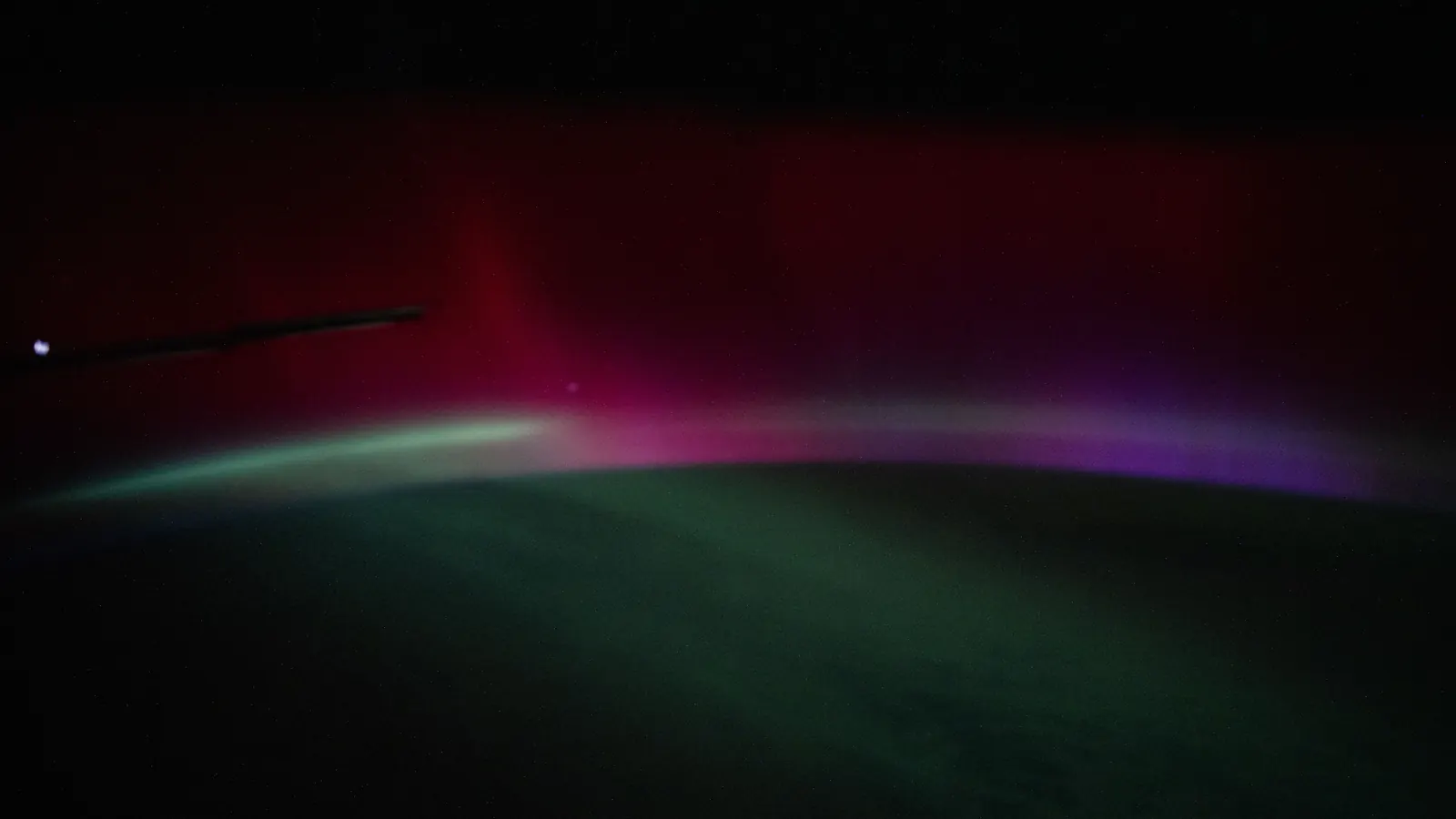
What is the Kp index? How to read an aurora forecast
The Kp index rates geomagnetic activity from 0 to 9 every three hours. Kp 5 is a G1 storm, and each step brings the aurora about 2 degrees nearer the equator.
-
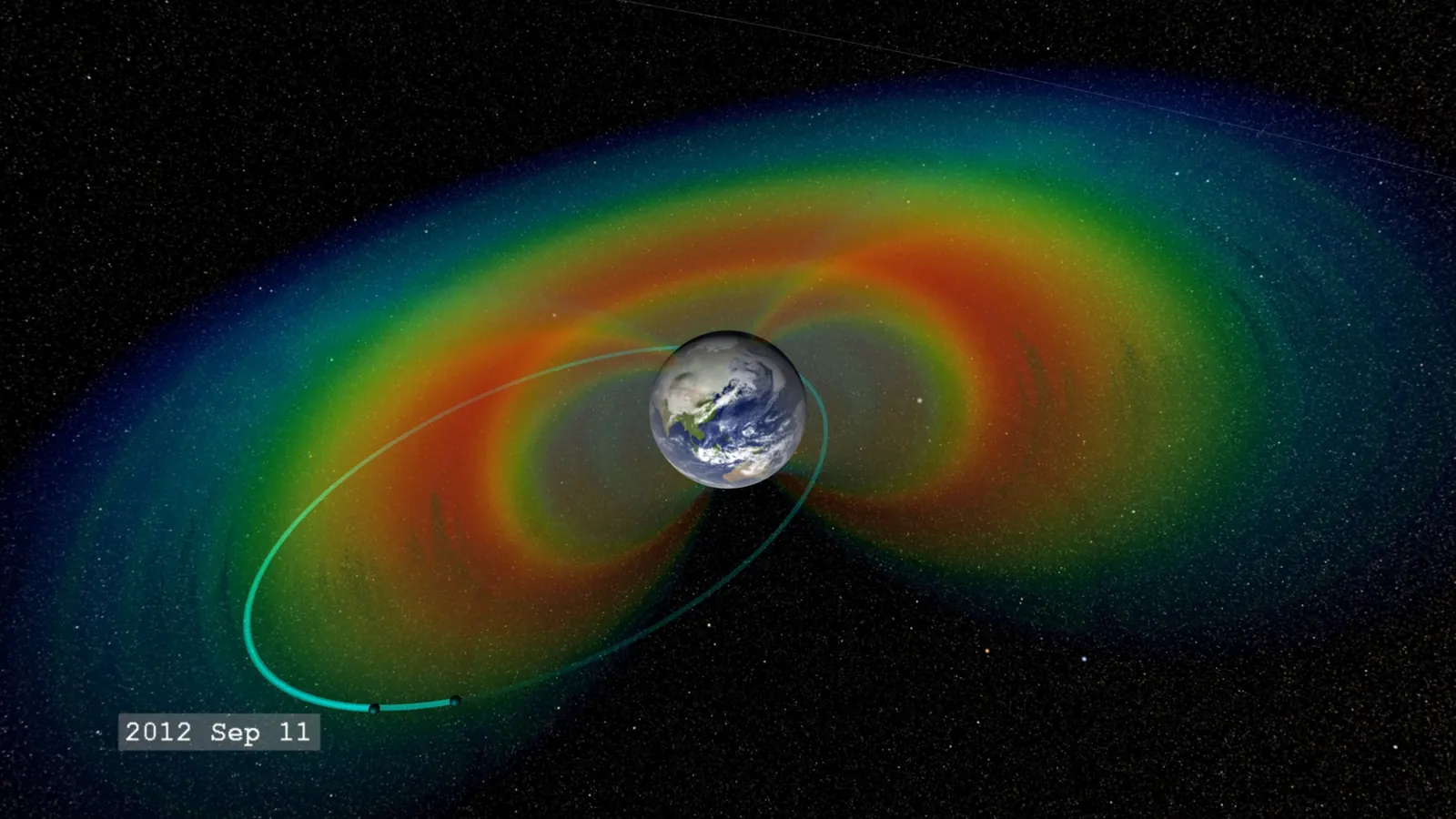
What are the Van Allen belts? Altitude, risks and satellites
The Van Allen belts are two zones of trapped particles, about 1,600 to 40,200 km up by NASA figures. Of 16,701 active satellites, 95% stay below 2,000 km.
-
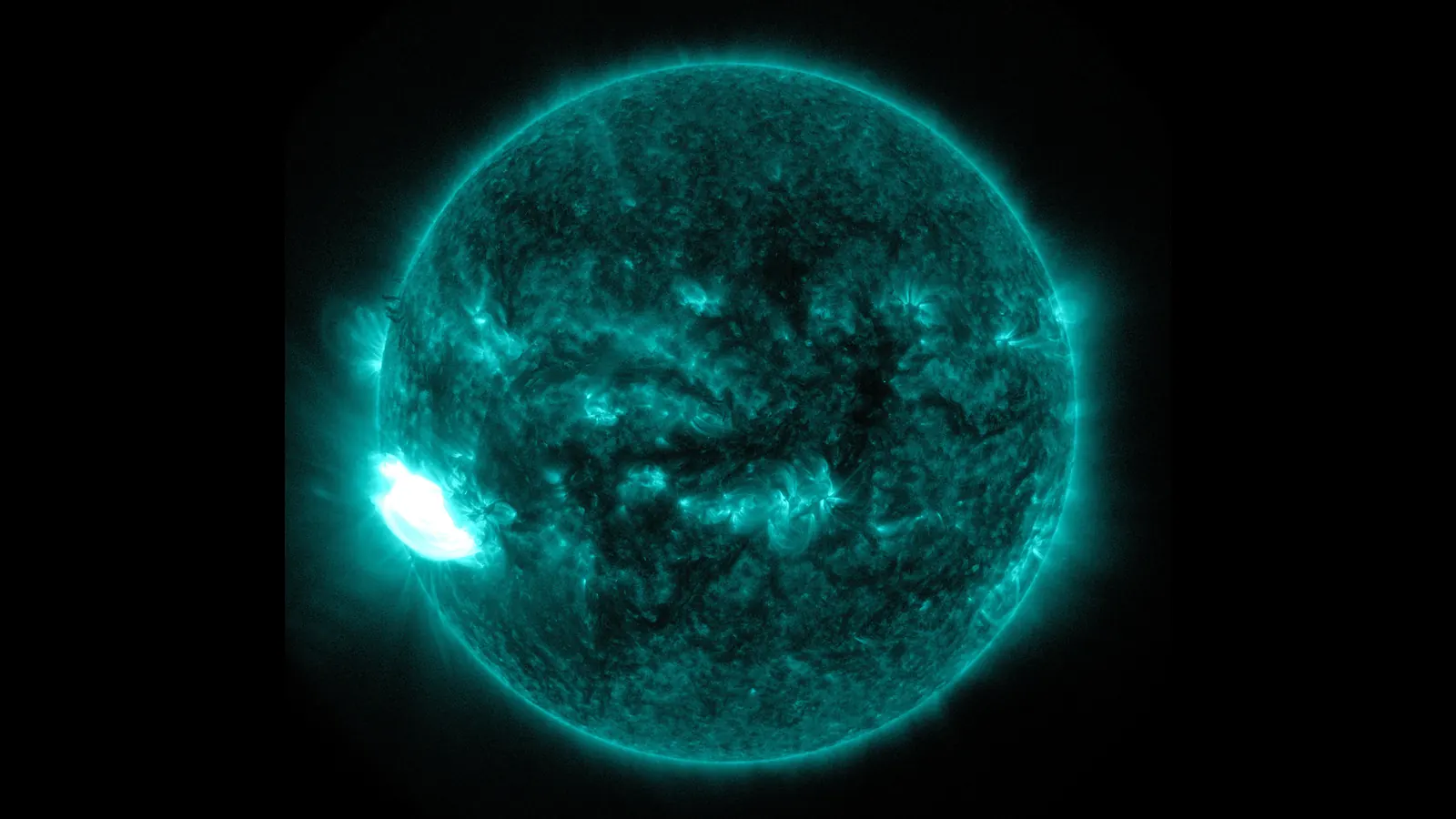
How do solar storms affect satellites? Drag, GPS, Starlink
Solar storms affect satellites by heating the upper air, which adds drag in low orbit, and by skewing GPS. A mild 2022 storm downed 38 of 49 new Starlinks.
-
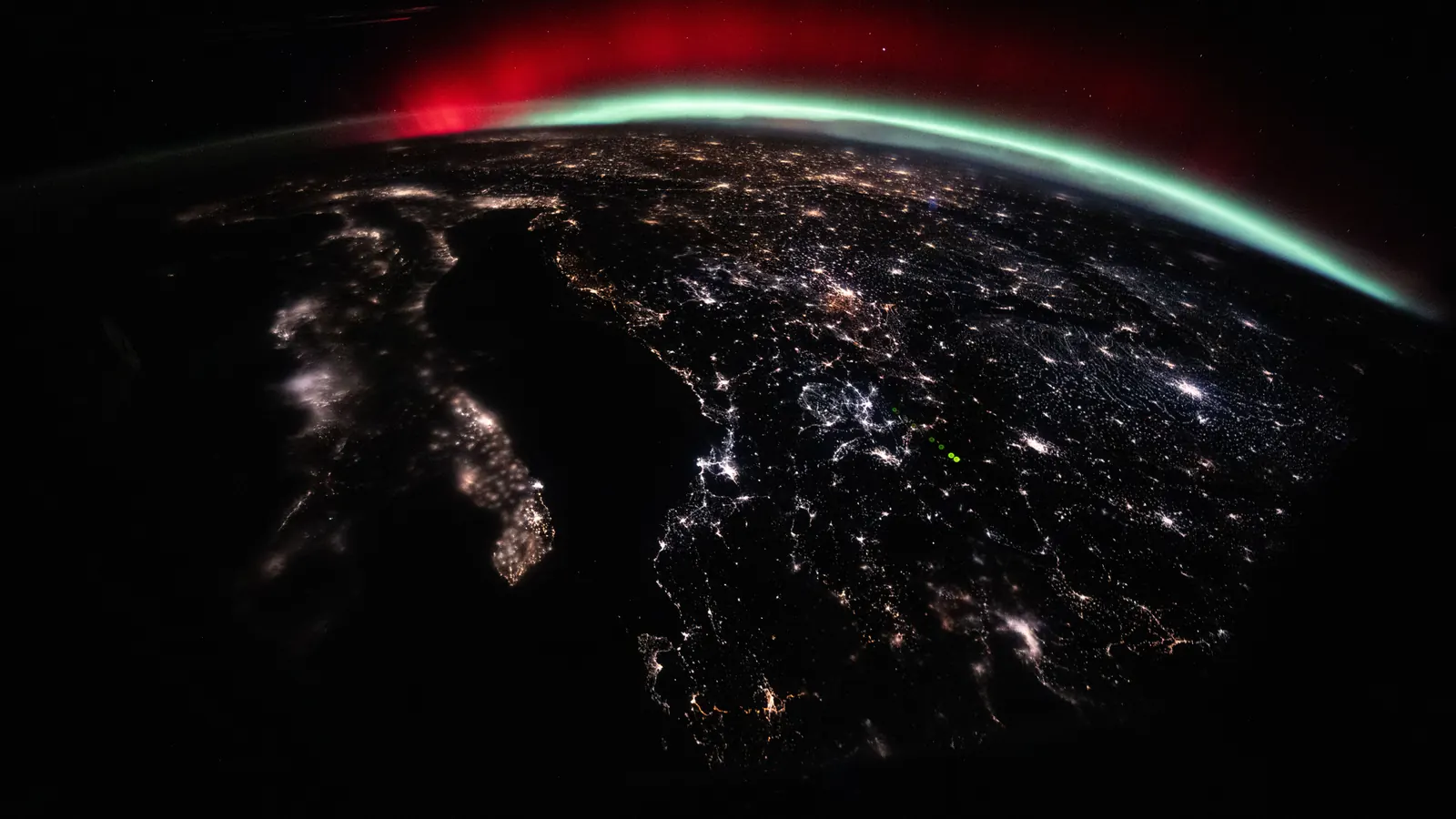
October 10 geomagnetic storm reached G3: aurora outlook
A coronal mass ejection drove a G3 (strong) geomagnetic storm on October 10, 2026. What NOAA measured, who saw aurora and what comes next.
Home · Live satellite map · Satellite directory · Starlink · OneWeb · Navigation satellites · Space stations · Other active satellites · Track the ISS · ISS visible passes · Starlink train · Rocket launches · Aurora forecast · Humans in space · Solar System · Deep Space · Embed widgets · Blog · Guide: spot the ISS · Guide: what is a TLE? · Guide: how many satellites? · Guide: satellite trackers compared · Discovery: Elias 2-24 b · About · FAQ · Data & methodology · Credits · Editorial policy · Accessibility · Contact · Privacy · Terms
© 2026 WatchSat · Not affiliated with any space agency or satellite operator.