Night sky
What to see overhead: meteor showers, eclipses, satellite streaks and space-station passes, with dates and times worked out from real data.
Top stories
-
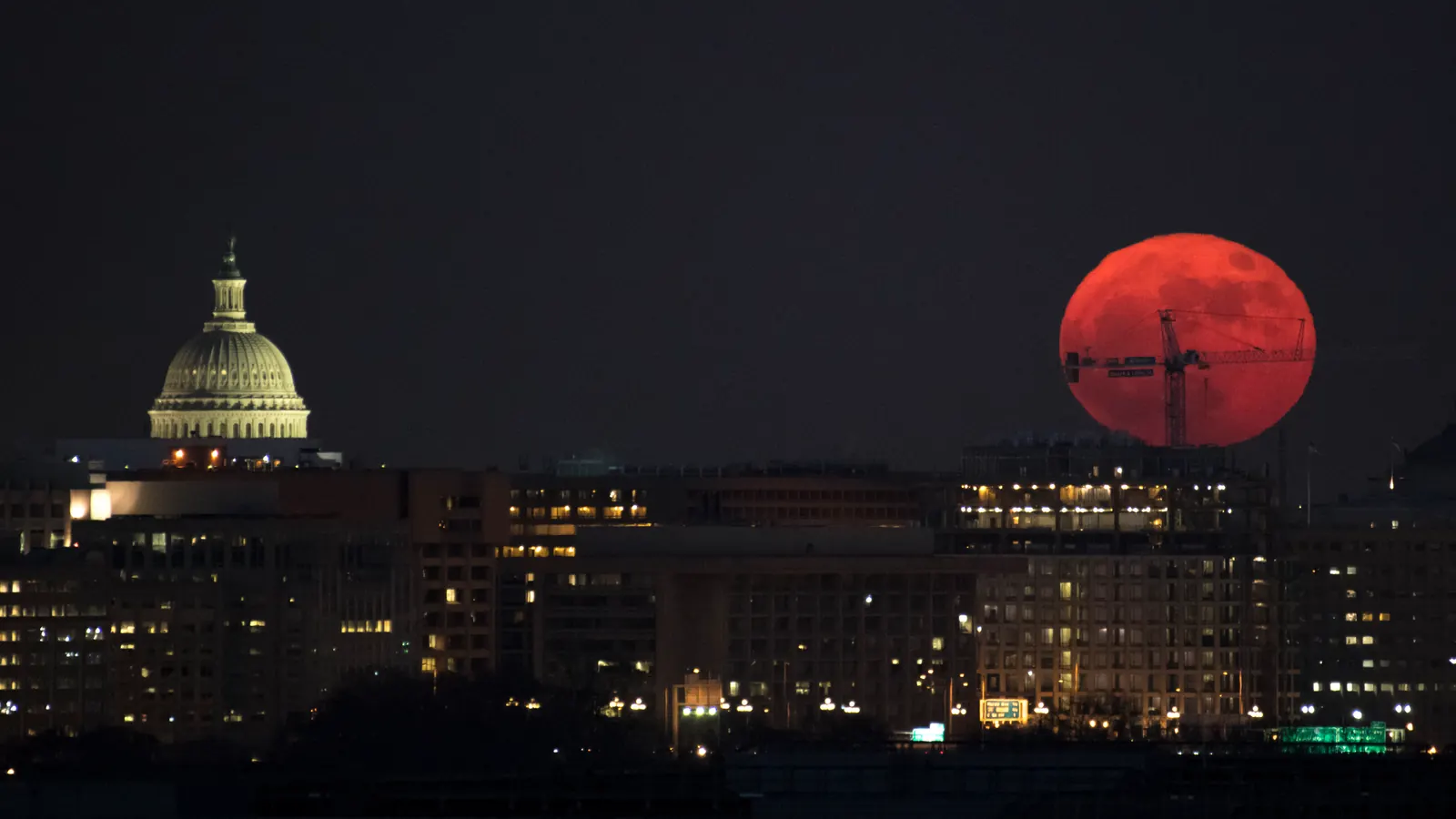
How far away is the Moon? Distance, perigee and supermoons
How far away is the Moon? 384,400 km (238,855 miles) on average. In 2026 it ranges from 356,641 to 406,407 km, closest on December 24.
-
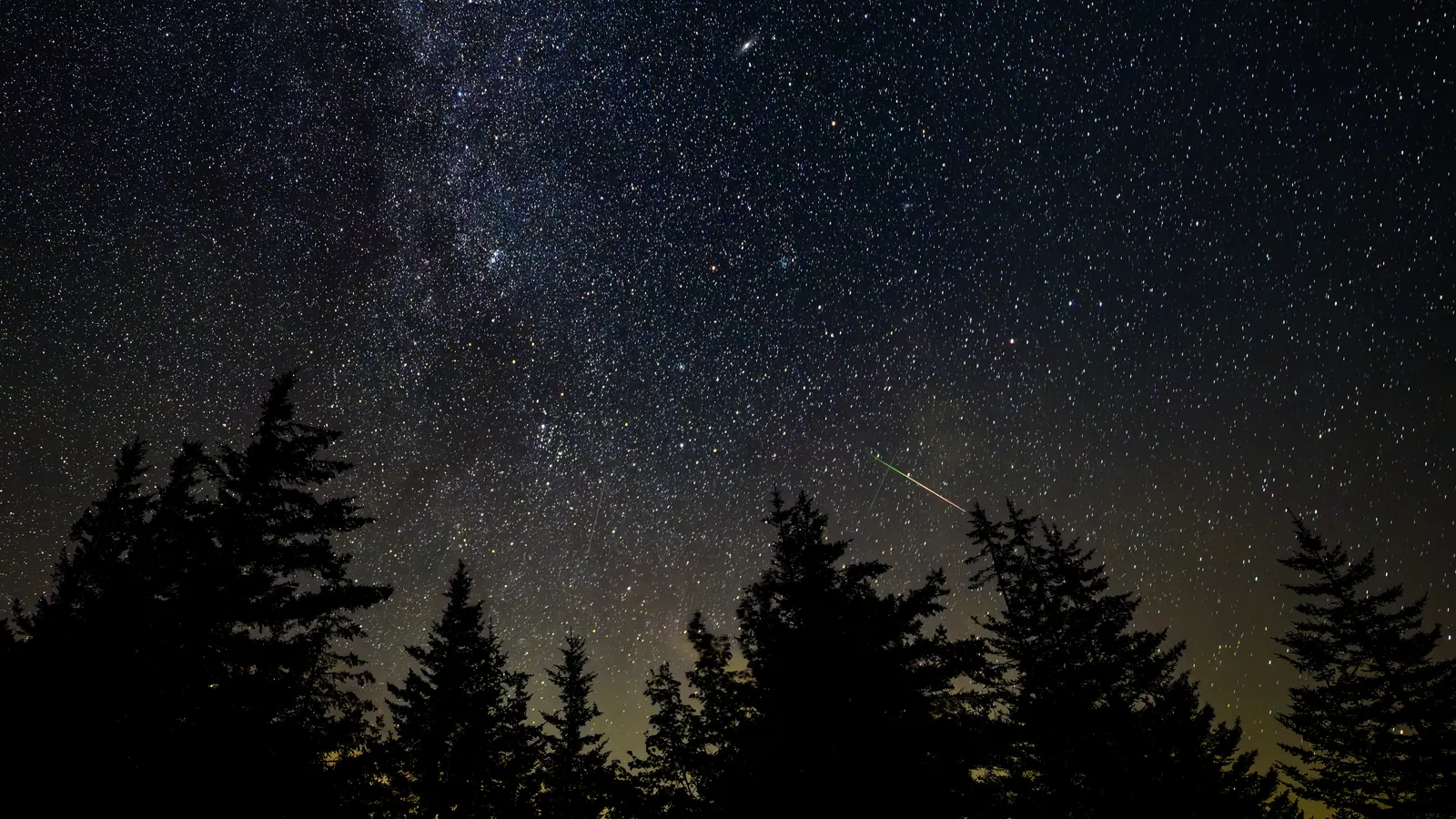
Leonid meteor shower 2026: peak time, Moon and next storm
The Leonid meteor shower 2026 peaks around 23:45 UTC on November 17, at a ZHR of about 15, under a half-lit Moon that sets by about midnight.
-
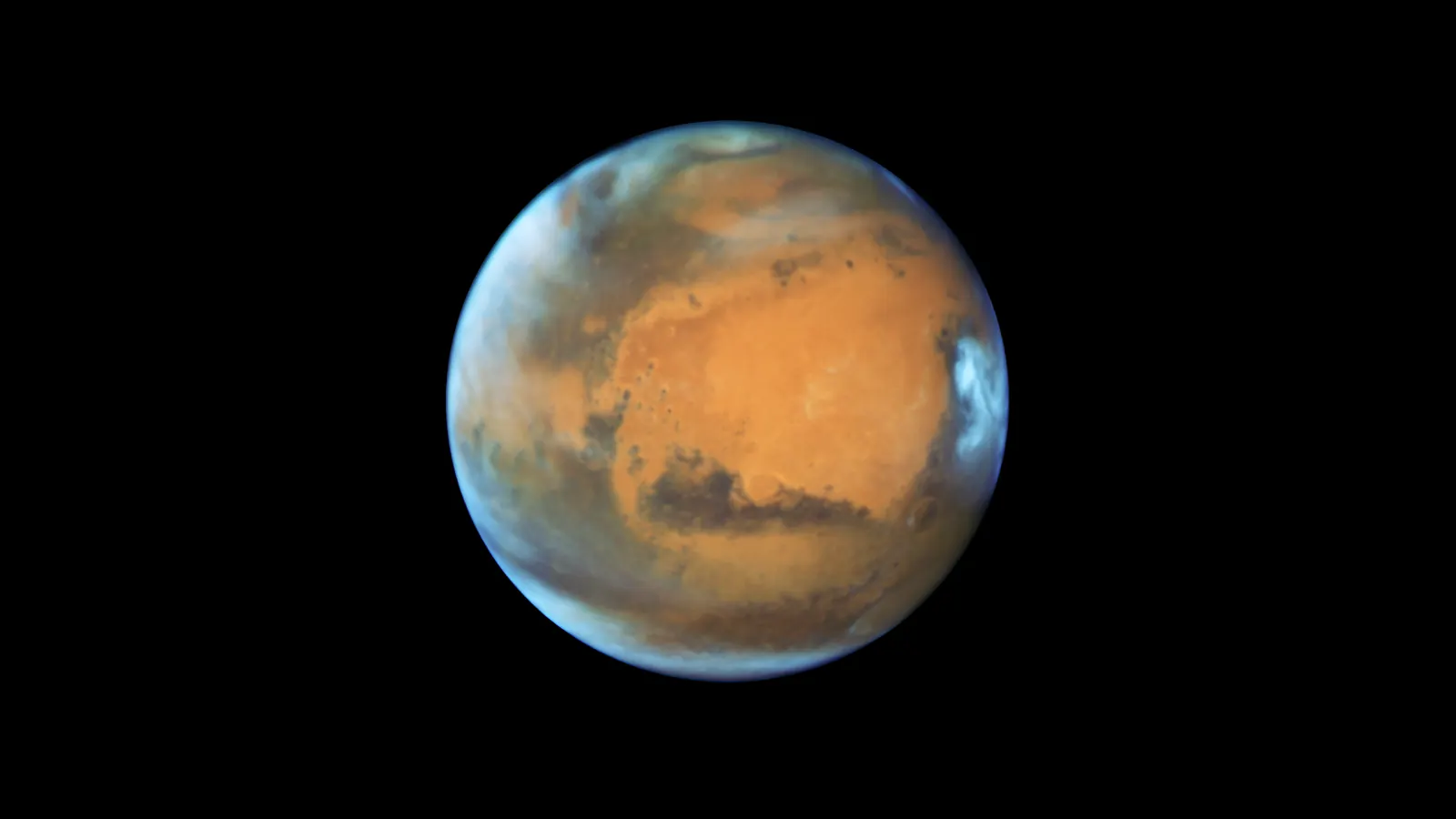
When is Mars closest to Earth? 2027 date and distance
Mars is closest to Earth on February 20, 2027 (UTC), 101.41 million km away, hours after opposition. By our count it's the farthest such approach of 2001-2100.
-
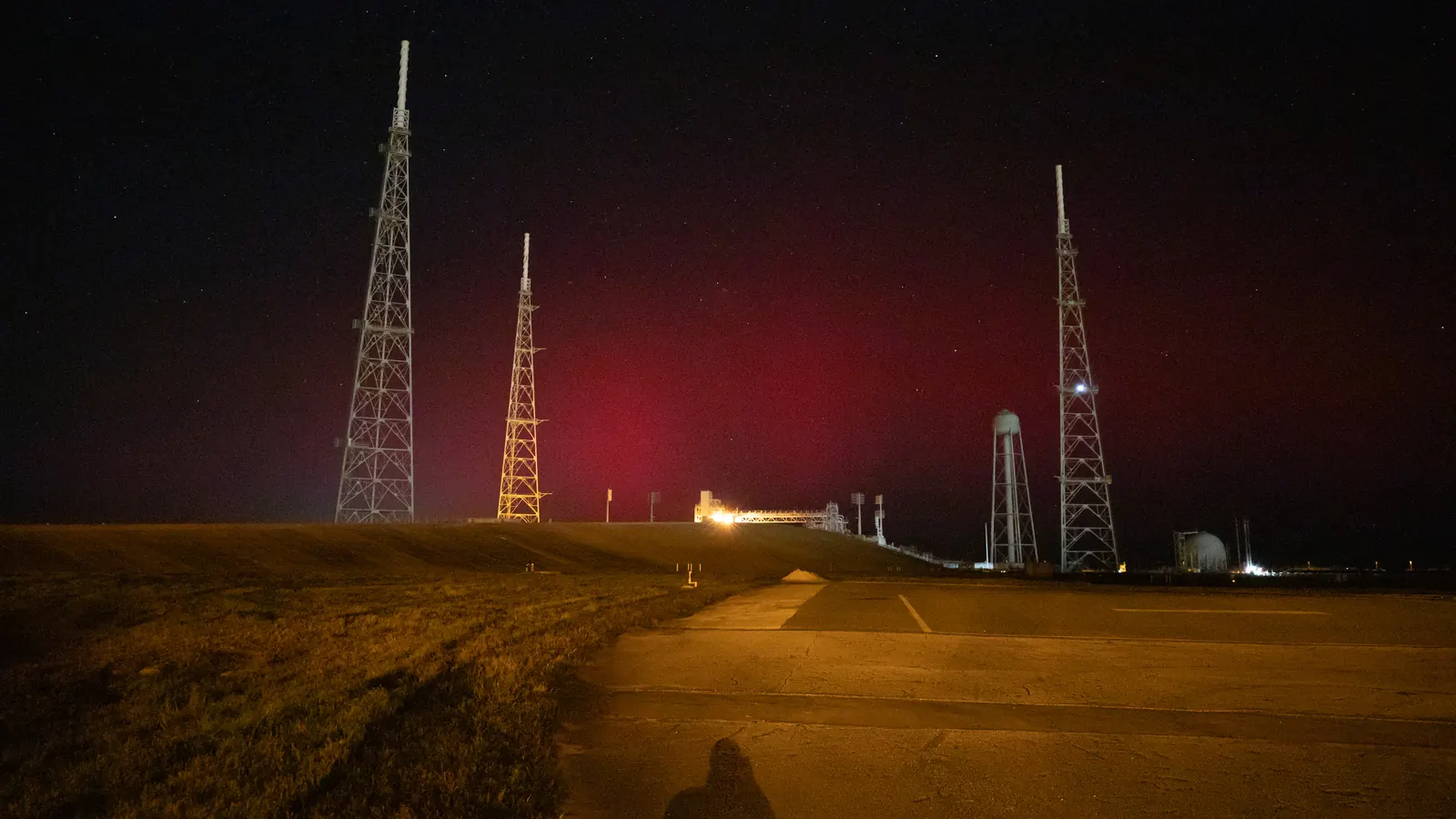
What causes the northern lights? Solar wind and colors
Particles from the Sun, steered to the poles by Earth's magnetic field, make oxygen and nitrogen glow mostly 100 to 200 km up. The Sun peaked in October 2024.
-
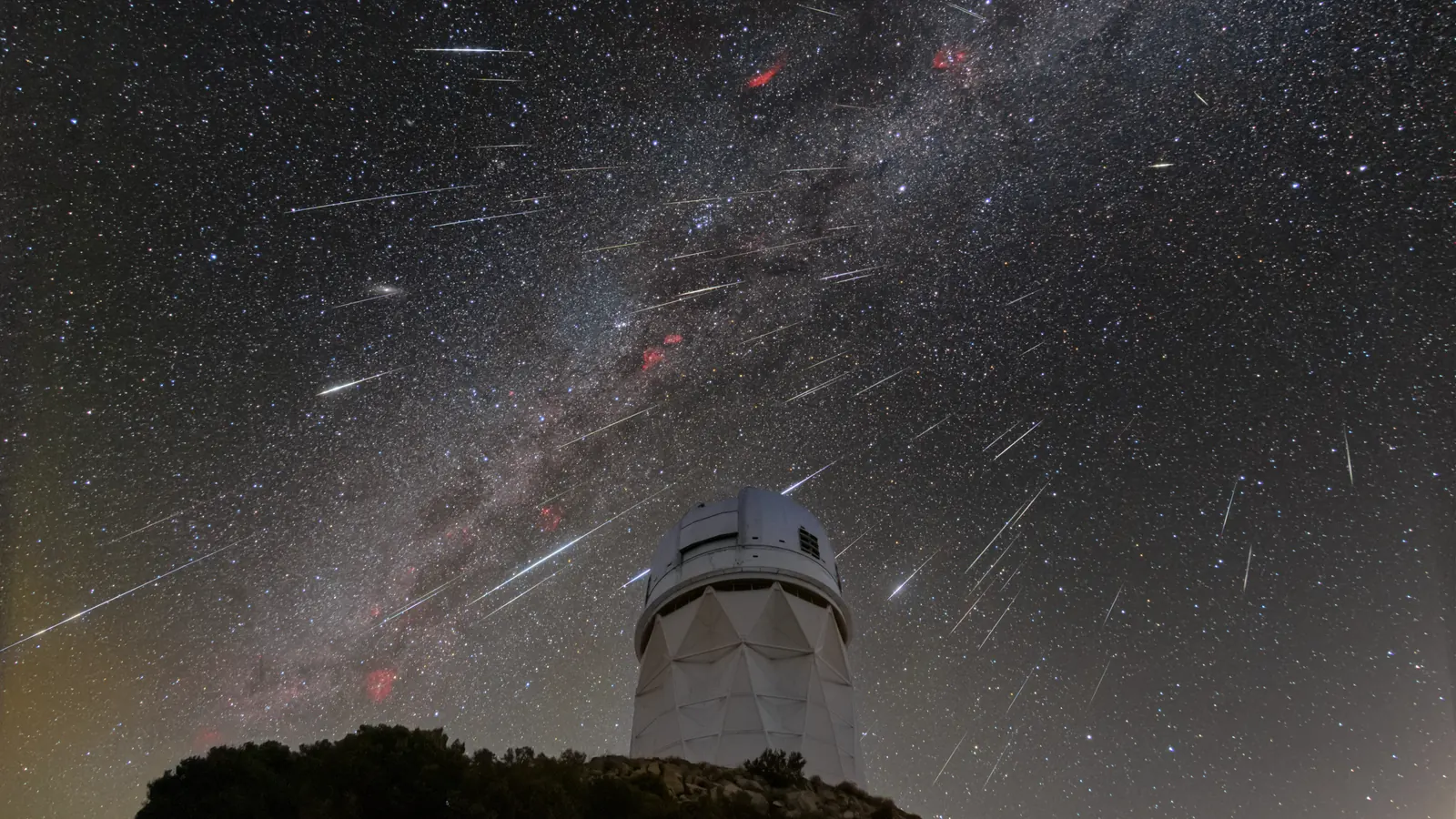
When is the Geminid meteor shower 2026? Peak times and Moon
The Geminid meteor shower peaks the night of December 13-14, 2026: NASA says 40 to 50 meteors an hour under dark skies, and the crescent Moon sets early.
Latest
-
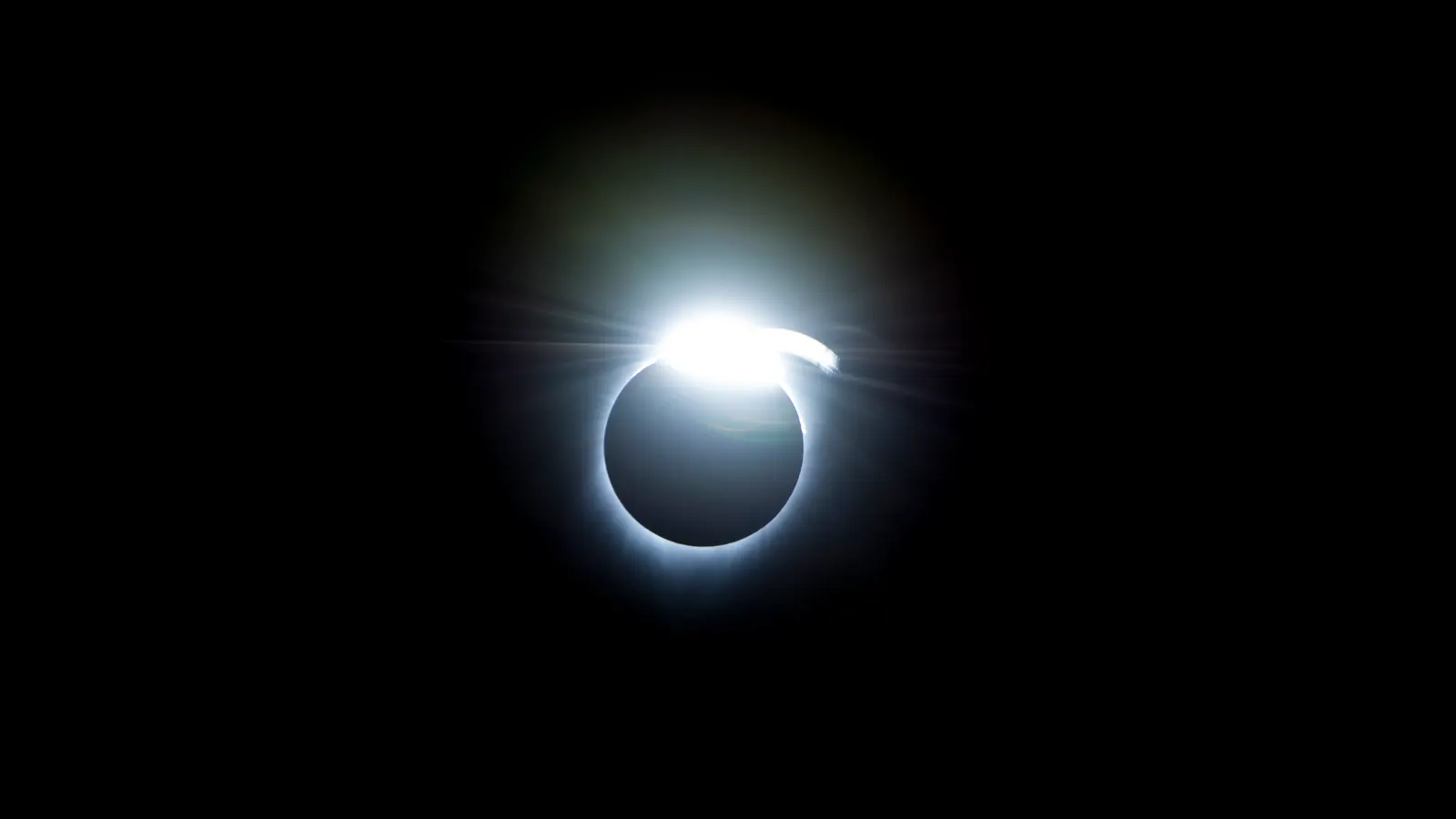
When is the next total solar eclipse? August 2, 2027
The next total solar eclipse is on August 2, 2027. Totality crosses Spain, North Africa and Arabia, lasting up to 6 min 23 s in Egypt's desert near Luxor.
-
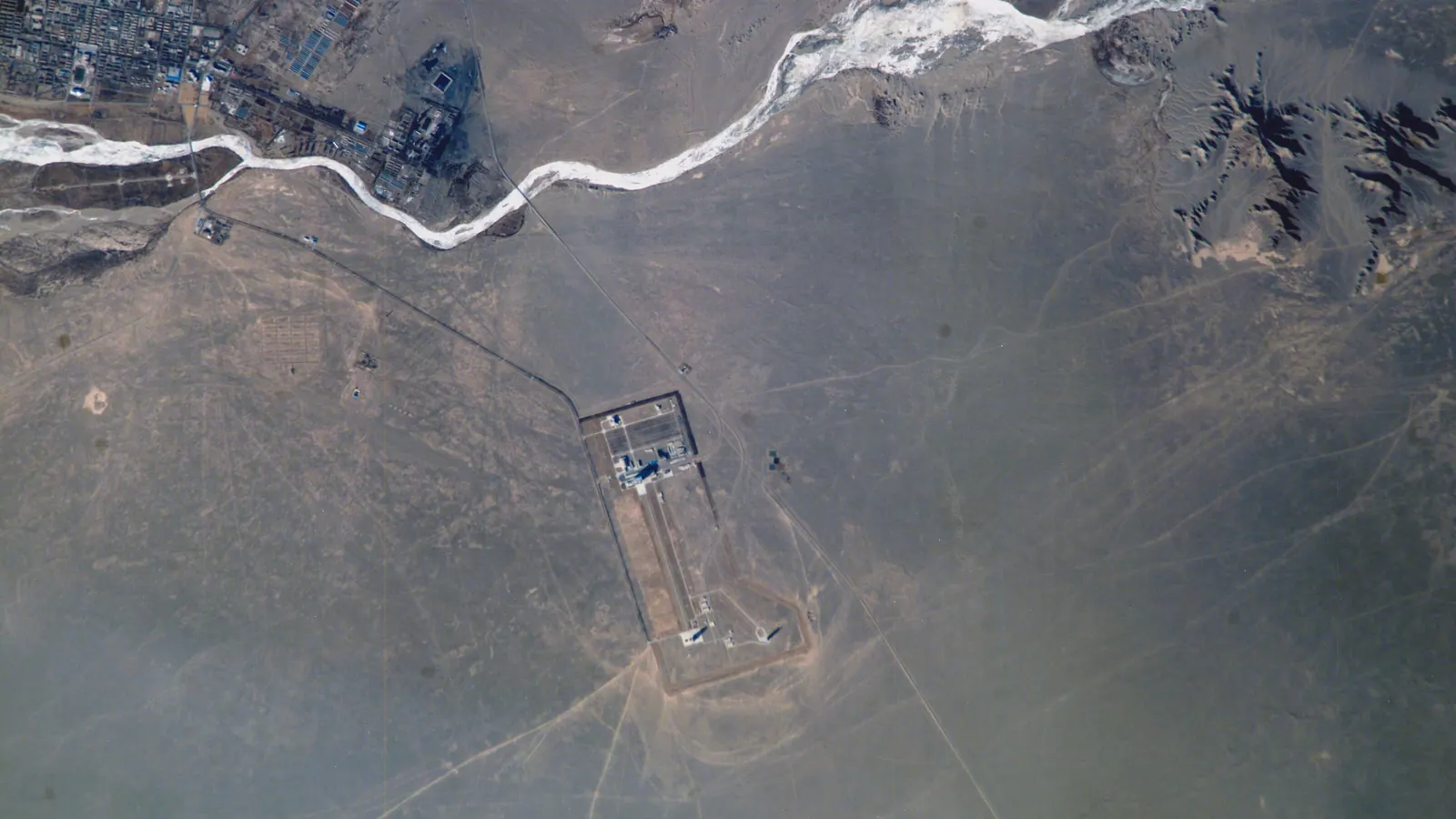
Where is China's Tiangong space station? Orbit and crew
China's Tiangong space station orbits about 386 km up on a 41.5° tilt, so it stays between 41.5° N and S. Who's aboard, its size, and where you can see it.
-
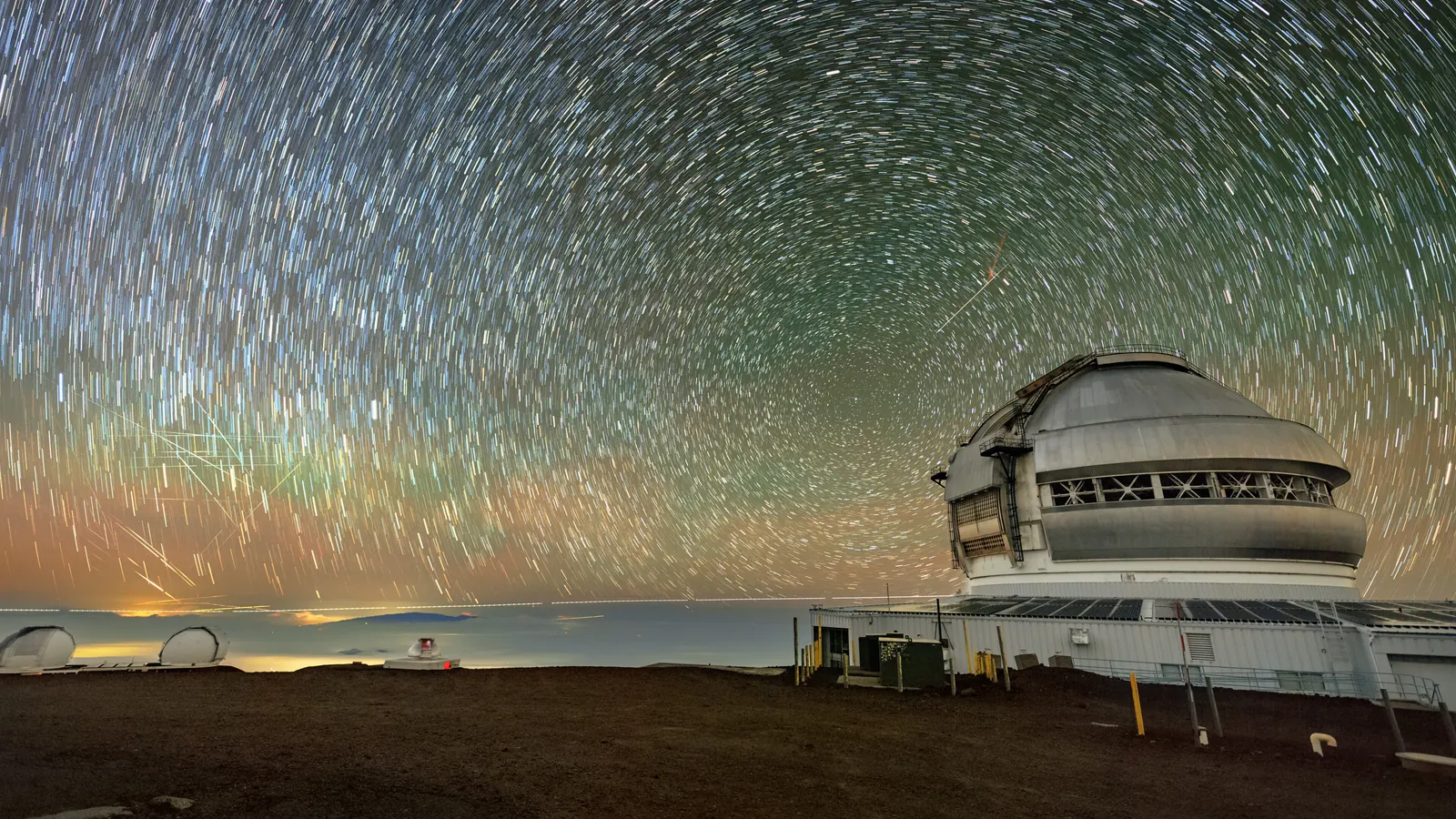
Do satellites affect astronomy? Streaks, Starlink and Rubin
Do satellites affect astronomy? Streaks crossed 2.7% of Hubble exposures from 2002 to 2021, and Rubin simulates trails in about 10% of its survey images.
-
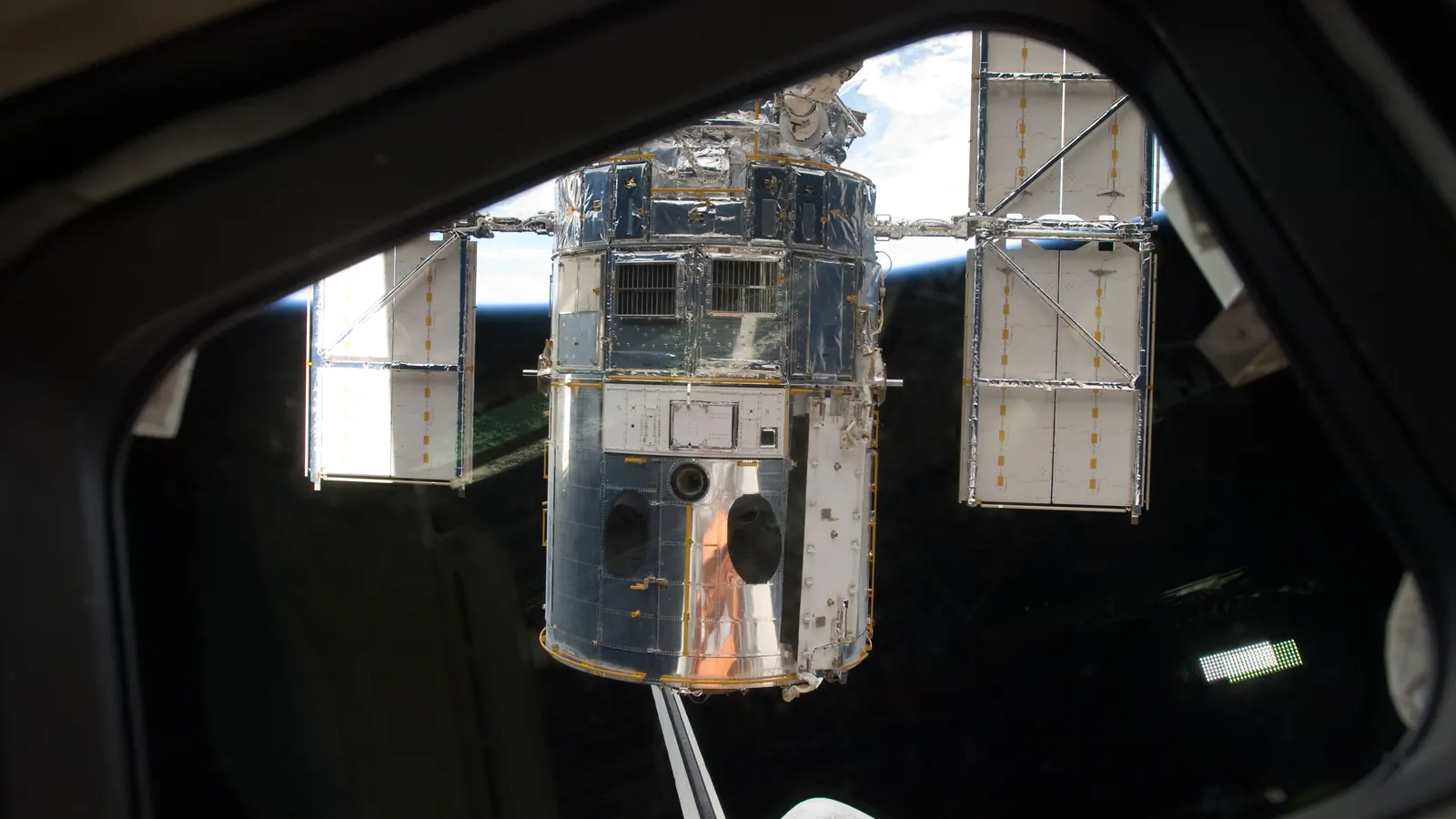
Where is the Hubble Space Telescope now? Orbit and reentry
The Hubble Space Telescope orbits about 470 km up and is sinking roughly 10 km a year. STScI puts its most likely reentry in 2033 unless it gets a boost.
-
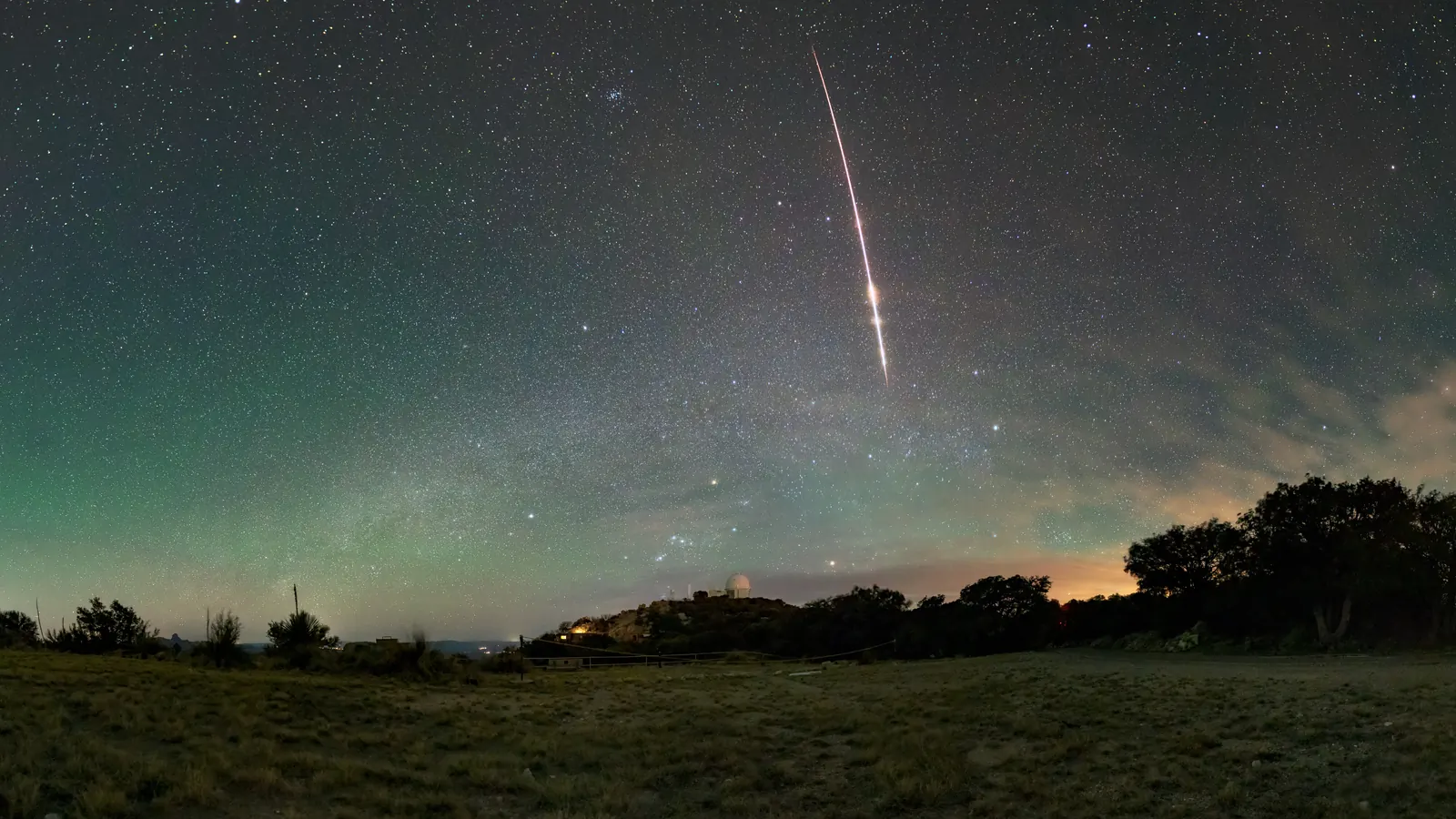
Orionid meteor shower 2026: peak, Moon and satellites
The Orionids peak on the night of October 21-22, 2026 under a bright gibbous Moon. When the Moon sets, and why satellites crowd the hour before dawn.
Home · Live satellite map · Satellite directory · Starlink · OneWeb · Navigation satellites · Space stations · Other active satellites · Track the ISS · ISS visible passes · Starlink train · Rocket launches · Aurora forecast · Humans in space · Solar System · Deep Space · Embed widgets · Blog · Guide: spot the ISS · Guide: what is a TLE? · Guide: how many satellites? · Guide: satellite trackers compared · Discovery: Elias 2-24 b · About · FAQ · Data & methodology · Credits · Editorial policy · Accessibility · Contact · Privacy · Terms
© 2026 WatchSat · Not affiliated with any space agency or satellite operator.