Deep space
Where the far-flung spacecraft are now: Voyager, New Horizons, Parker Solar Probe, Europa Clipper and Webb, with distances from JPL data.
Top stories
-
How far away is the Moon? Distance, perigee and supermoons
How far away is the Moon? 384,400 km (238,855 miles) on average. In 2026 it ranges from 356,641 to 406,407 km, closest on December 24.

-
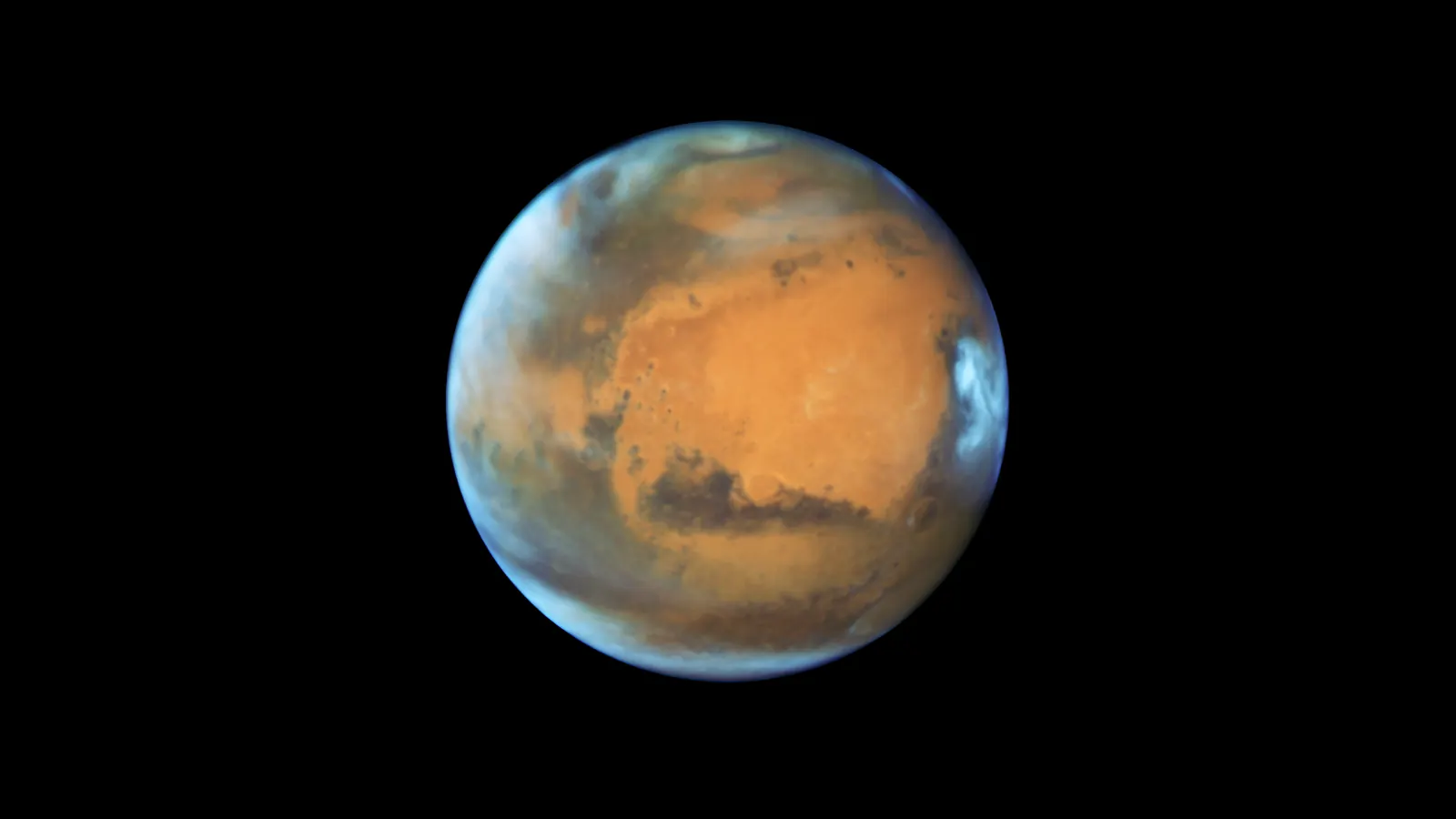
When is Mars closest to Earth? 2027 date and distance
Mars is closest to Earth on February 20, 2027 (UTC), 101.41 million km away, hours after opposition. By our count it's the farthest such approach of 2001-2100.
-
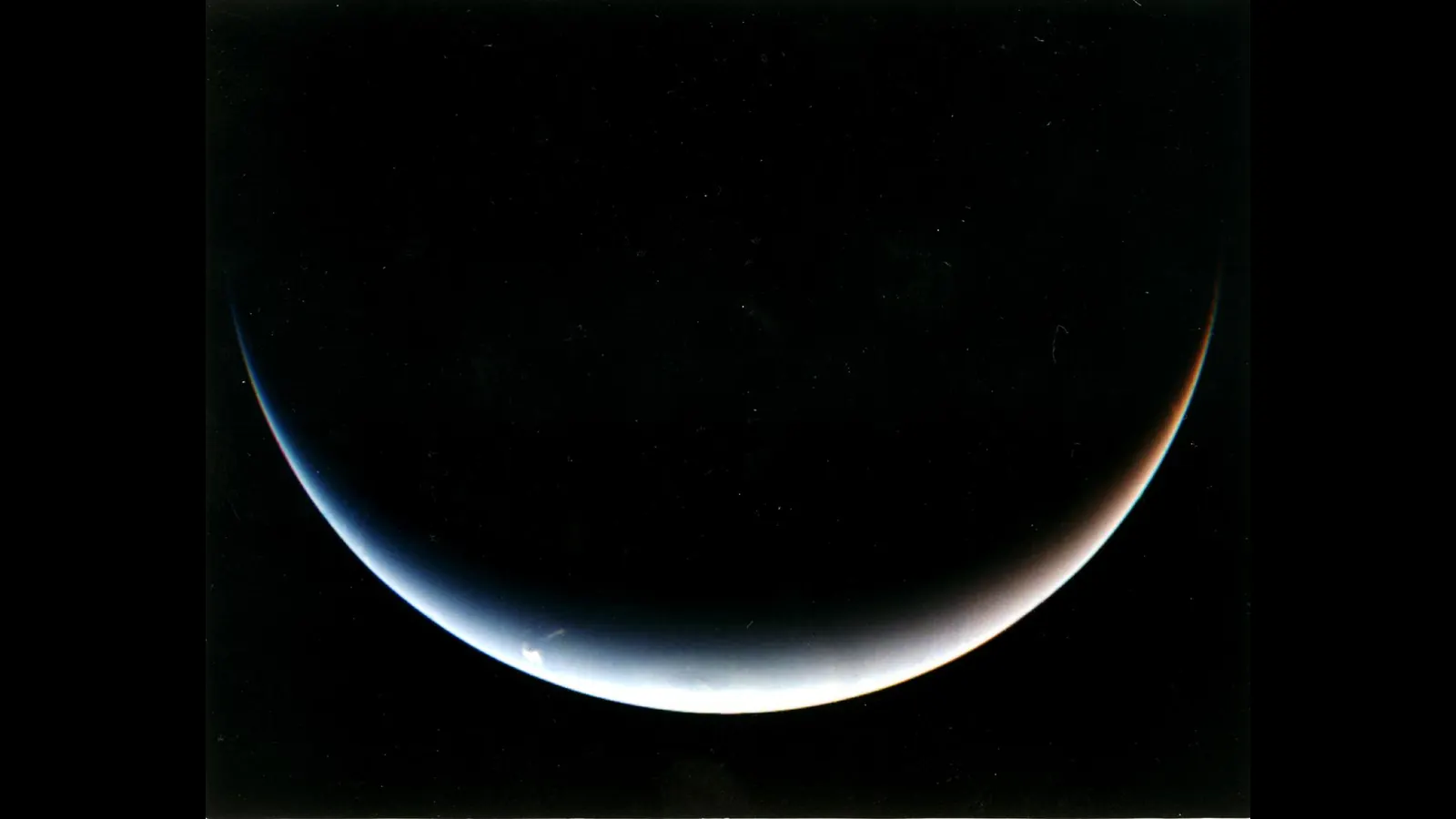
Where is Voyager 2 now? Distance, signal time and power
Where is Voyager 2 now? On October 12, 2026, it's 21.56 billion km (13.40 billion miles) from Earth, and its signals take almost 20 hours to arrive.
-
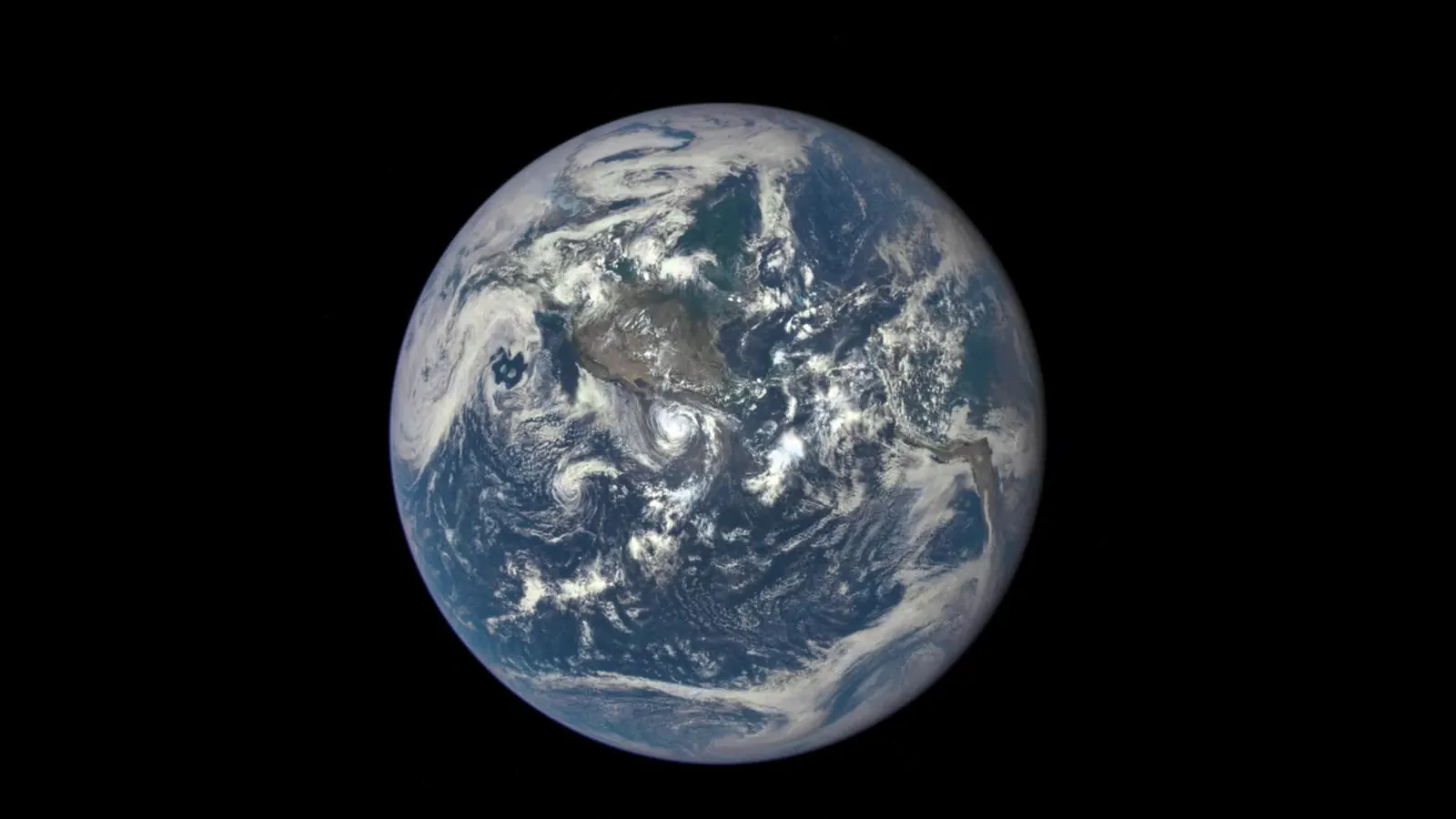
What are Lagrange points? L1 to L5 and what orbits there
Lagrange points are five places where a small object can keep pace with two large ones. For the Sun and Earth, L1 and L2 lie about 1.5 million km from Earth.
-
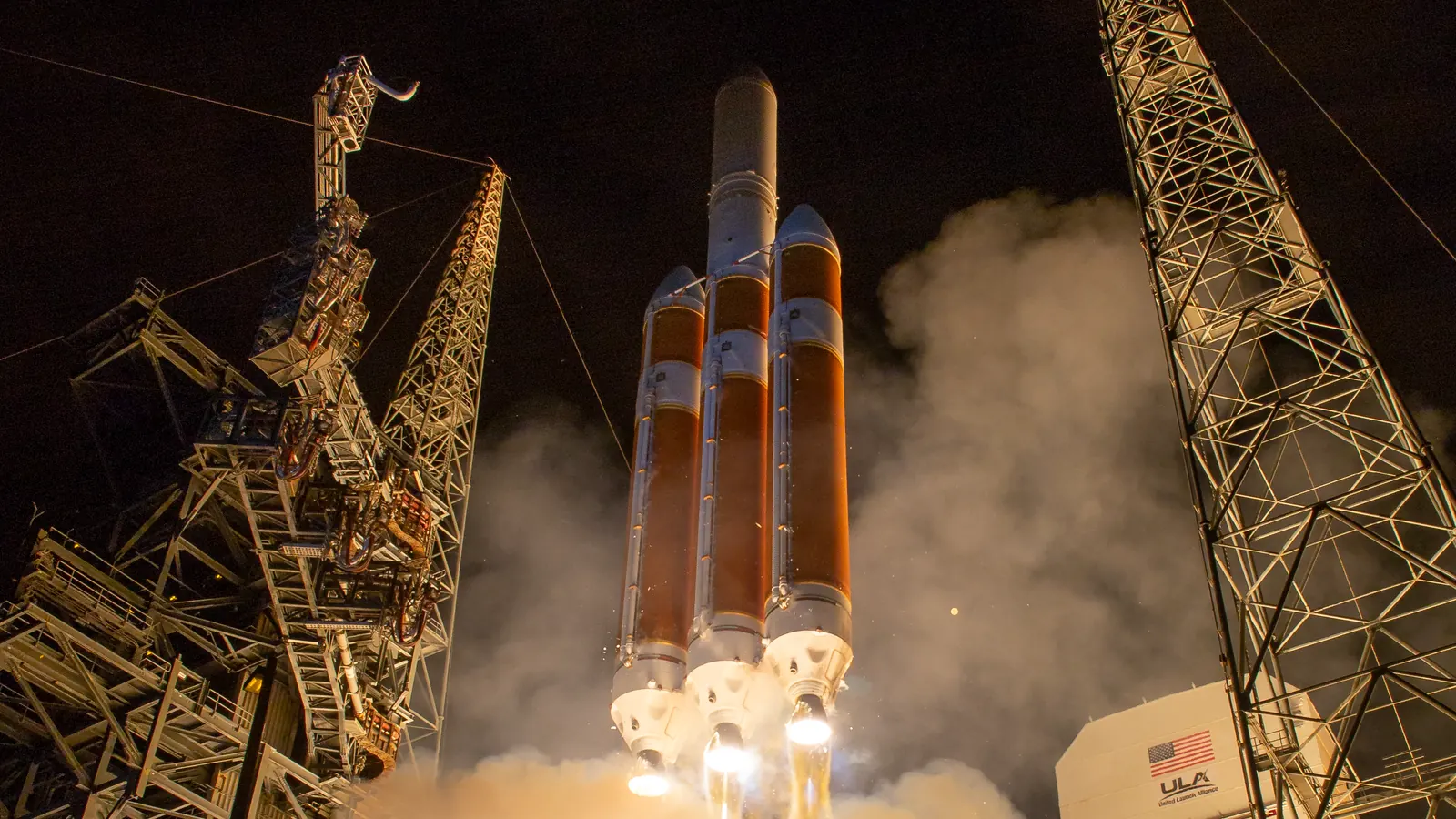
How fast is the Parker Solar Probe? Top speed and orbit
At closest approach the Parker Solar Probe reaches about 430,000 mph (692,000 km/h) relative to the Sun. On Oct. 11, 2026, it was doing just 13.9 km/s.
Latest
-
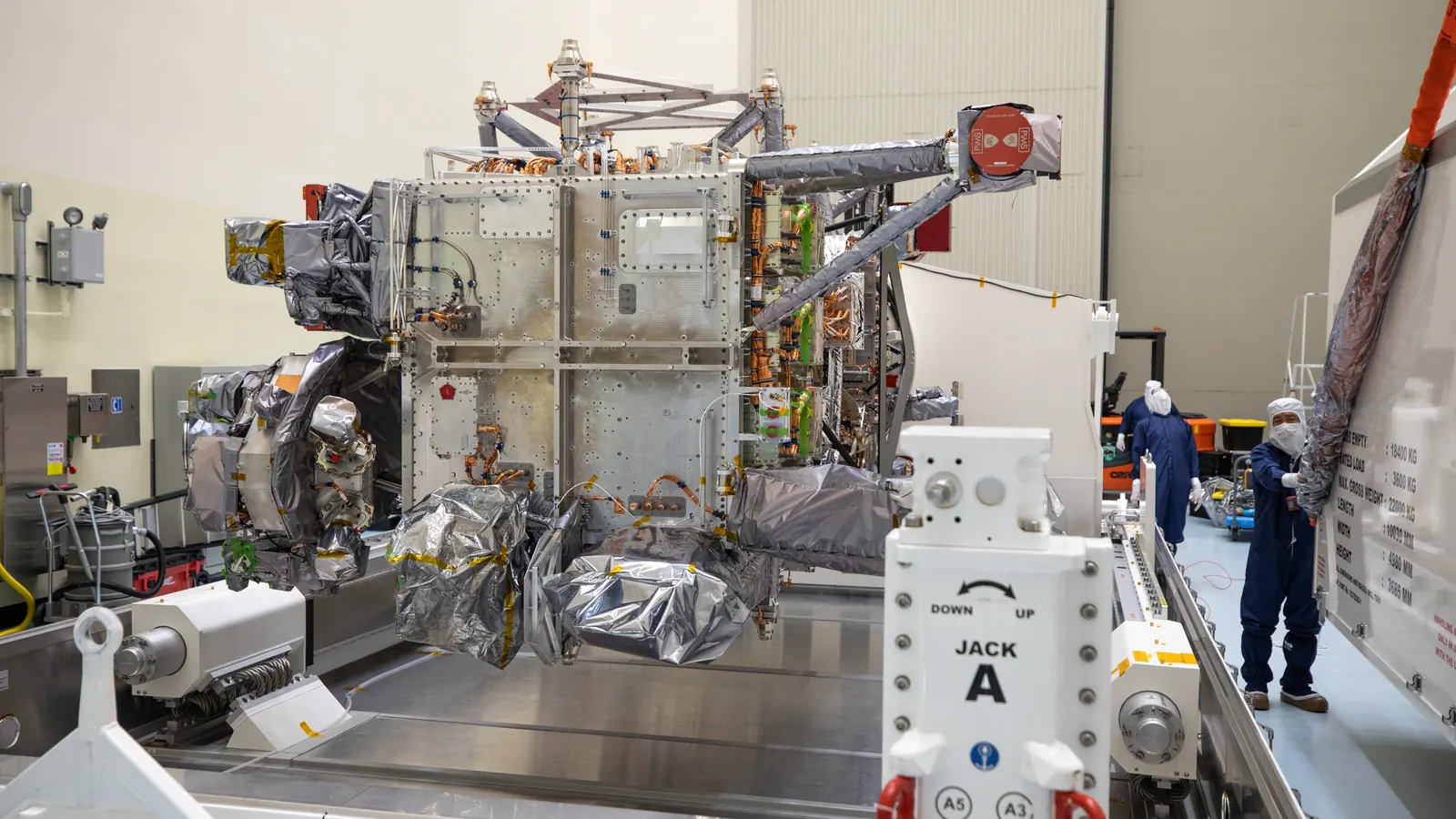
Where is Europa Clipper now? Distance and the Earth flyby
Europa Clipper was 59.0 million km from Earth on October 11, 2026, and closer to the Sun than Earth is. It swings past Earth on December 3, bound for Jupiter.
-
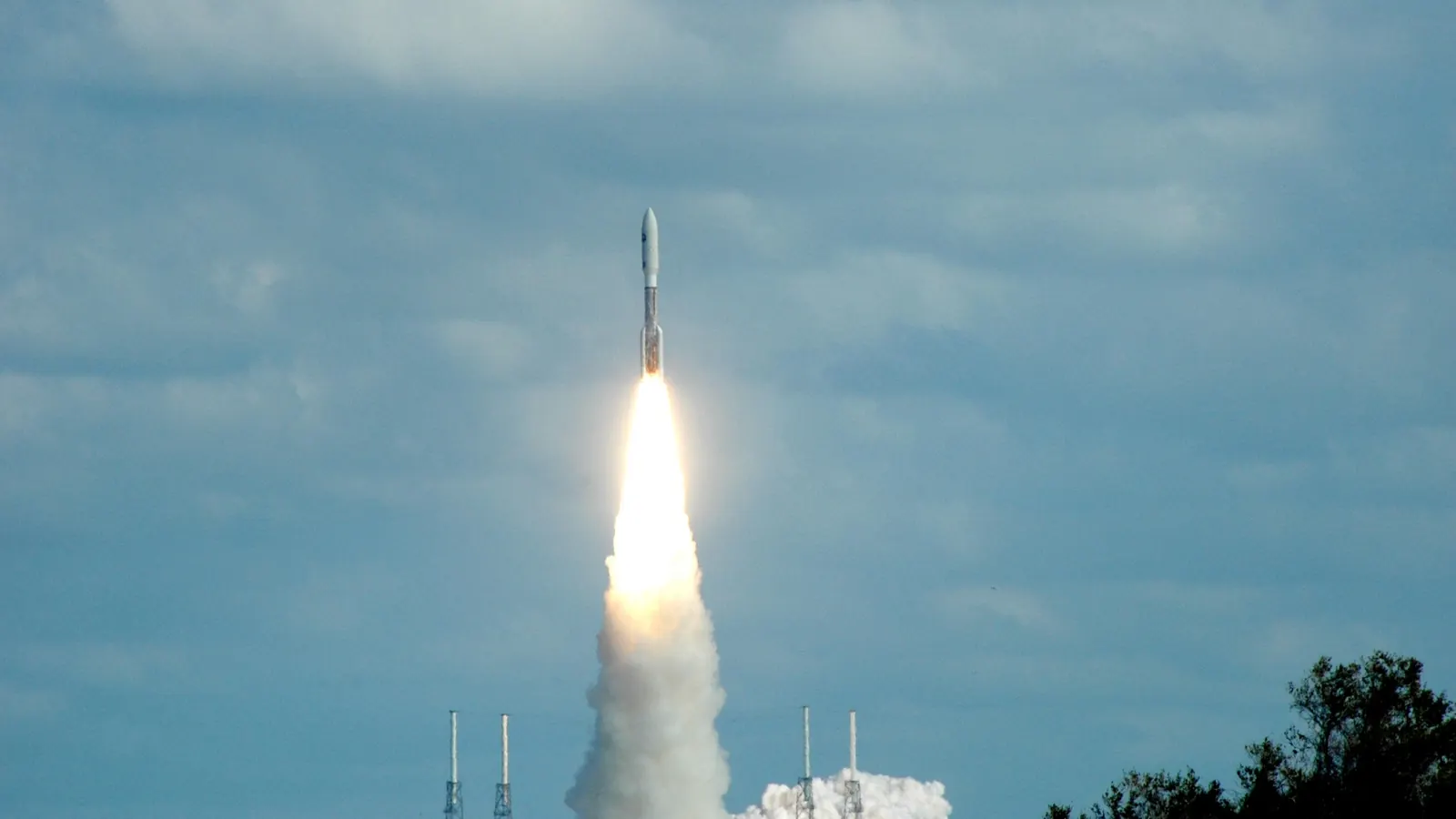
Where is New Horizons now? Distance, speed and what's next
New Horizons was 65.77 AU from the Sun on October 8, 2026, and its signals took 9 hours 6 minutes to reach Earth. It's still inside the heliosphere.
-
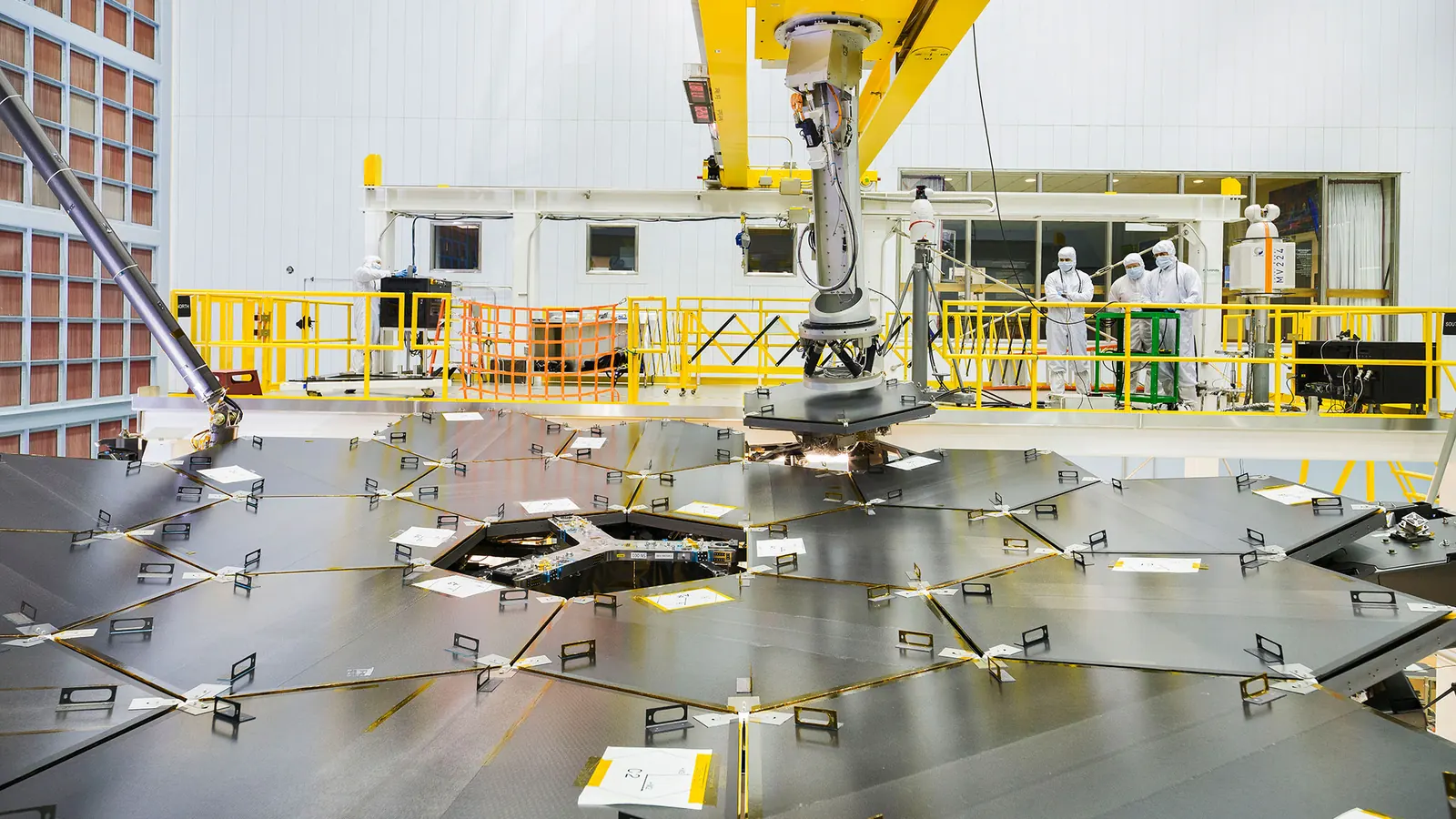
Where is the James Webb Space Telescope? Distance and orbit
The James Webb Space Telescope was 1.36 million km from Earth on October 8, 2026, looping around L2. Its distance swings from 1.2 to 1.75 million km.
-
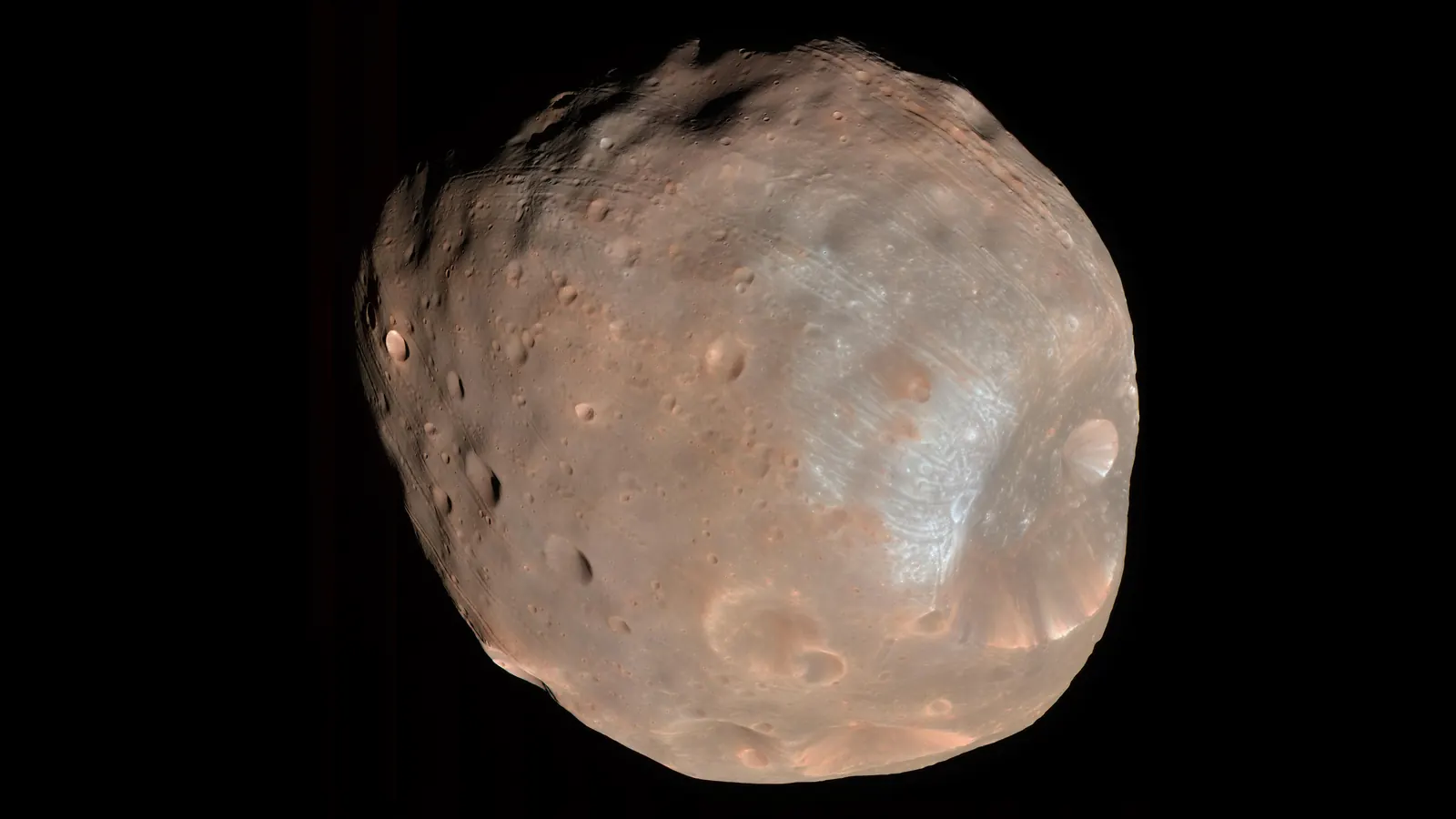
MMX, Japan's Phobos sample-return mission, launches Oct. 20
JAXA's MMX is set to launch at 4:41:03 a.m. Japan time on October 20, 2026 (19:41:03 UTC on October 19) for Phobos, with a sample due back in 2031.
-
Voyager 1 will reach one light-day from Earth on Nov. 18
At 10:16 UTC on November 18, 2026, Voyager 1 will be one light-day from Earth. How far that is, how long its signals take, and why it stays past the line.
Home · Live satellite map · Satellite directory · Starlink · OneWeb · Navigation satellites · Space stations · Other active satellites · Track the ISS · ISS visible passes · Starlink train · Rocket launches · Aurora forecast · Humans in space · Solar System · Deep Space · Embed widgets · Blog · Guide: spot the ISS · Guide: what is a TLE? · Guide: how many satellites? · Guide: satellite trackers compared · Discovery: Elias 2-24 b · About · FAQ · Data & methodology · Credits · Editorial policy · Accessibility · Contact · Privacy · Terms
© 2026 WatchSat · Not affiliated with any space agency or satellite operator.