WatchSat › Blog › What are the different types of satellites? Uses and counts
What are the different types of satellites? Uses and counts
The types of satellites, by job. Communications are 80.2% of the 16,701 on CelesTrak's active list, Starlink alone 66.6%, while about 10% can't be identified.
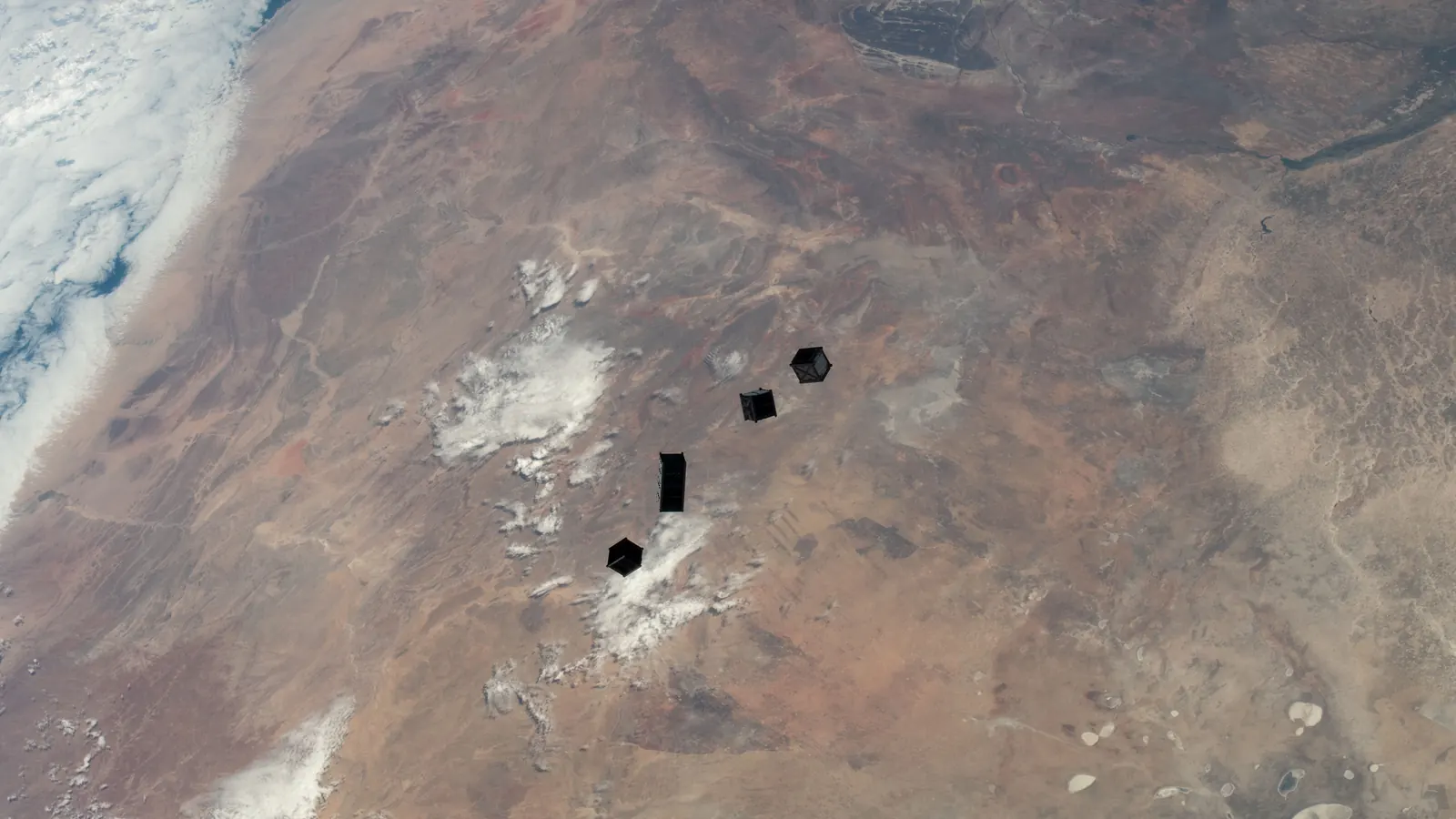
Sorted by the job they do, the different types of satellites are communications, navigation, Earth observation (including weather and radar), science, military and reconnaissance, technology tests and crewed stations. Communications satellites far outnumber the rest, at 80.2% of the 16,701 objects on CelesTrak's active list in our October 11, 2026 snapshot, with Starlink alone at 66.6%. About 10% of the list can't be given a job from its name alone, so the count for each job is a minimum.
Some of these jobs are almost as old as spaceflight. The Soviet Union launched the first satellite, Sputnik 1, on October 4, 1957, according to NASA. The first weather satellite, TIROS-1, followed on April 1, 1960, and operated for 78 days. Telstar 1, a communications satellite that NASA launched on July 10, 1962, was built by Bell Laboratories and paid for by AT&T under an agreement with NASA, the first privately sponsored satellite. Its record is in NASA's spacecraft catalog.
What each type of satellite does
Communications satellites relay phone calls, internet data and television. The older kind sits in geostationary orbit, a ring over the equator where a satellite seems to hang still. Of the 565 objects in that ring on our list, at least 357 are communications satellites. The newer kind flies low in megaconstellations of hundreds or thousands, led by the broadband network Starlink. Our guide to orbit types explains the heights.
Navigation satellites broadcast timing signals that a receiver, such as the GPS chip in a phone, turns into a position, as NASA explains. Our list has 171 of them in six systems. The four global systems account for most, with 56 for China's BeiDou, 40 for the US GPS, 32 for Europe's Galileo and 29 for Russia's GLONASS. India's NavIC has eight and Japan's QZSS six. Unlike the broadband fleets, none flies in low orbit, and 134 circle in medium Earth orbit. The list's 40 GPS satellites outnumber the 32 the Space Force counted as operational after the last GPS III satellite launched on April 21, 2026, a gap our GPS explainer looks into. Our navigation satellites page shows the four global systems live.
Earth observation satellites take pictures of the planet, with cameras or with radar. Optical imagers include Landsat 9 and 118 satellites from Planet's Flock, SkySat and Pelican fleets. Radar imagers such as ICEYE's, which ESA lists as synthetic aperture radar (SAR) satellites, build pictures from echoes gathered as the satellite moves. ICEYE said it had launched 76 by July 7, 2026, and more flew on October 1, while our list holds 56 ICEYE names, such as ICEYE-X2. The company's figure counts every satellite it has launched, and ours counts only those still on the active list.
Weather satellites are Earth observers that watch the atmosphere. Our list has 82 with weather-program names. About 50 belong to national weather services and military weather programs, as our weather satellite explainer describes, and the remaining 31 are commercial. China's Tianmu-1 fleet has 20 of those, satellites that measure how navigation signals bend in the atmosphere, Space.com reported. The last 11 are microwave sounders run by Tomorrow.io, instruments that read the atmosphere's temperature and moisture.
Science satellites study the universe, the Sun and near-Earth space. Our name patterns find 50, among them Hubble, 470 km up. Fifty is an undercount, because the patterns catch famous observatories and miss many research CubeSats, and deep-space craft such as the James Webb Space Telescope aren't on the list at all.
Military and reconnaissance satellites are the hardest to count, because a classified payload doesn't always have a telling name. We counted 407 from programs usually described as military, 2.4% of the list. Treat that as a rough figure rather than a floor, since a few of them may do civil work and other military satellites carry bland names. They include 167 from China's Yaogan series, 116 Russian Cosmos satellites outside GLONASS, and 124 US and allied ones with catalog names such as USA, WGS or SDA. Counting Yaogan here follows Western analysts, who regard the series as at least partly military, Spaceflight Now reported in 2018. China calls Yaogan civil remote sensing, for land surveys, crop estimates and disaster monitoring.
Technology-test satellites try out new hardware, and many are CubeSats, the small standard-sized satellites described below. Crewed stations are the rarest type. Our station group has 15 objects, the modules of the International Space Station and China's Tiangong plus the crew and cargo ships docked to them. The space stations page follows both. On October 9 our crew tracker listed 10 people in orbit, seven on the ISS and three on Tiangong.
Every satellite on our list, sorted by job
We sorted the 16,701 objects in our October 11 snapshot of CelesTrak's active list by matching each name against patterns such as STARLINK or NAVSTAR. The same list feeds our satellite directory. It holds anything tracked and not known to be dead, including some retired satellites. Objects we couldn't match fill the last row, so every count above it is a floor. A name also identifies a program rather than a confirmed mission. Our guide to satellite counts explains why trackers' totals differ.
| Job | Objects | Share of the list |
|---|---|---|
| Communications, eight megaconstellations | 12,781 | 76.5% |
| Communications, other | 615 | 3.7% |
| Earth observation (imaging and radar) | 568 | 3.4% |
| Military, identified by program name | 407 | 2.4% |
| Radio-signal sensing fleets | 192 | 1.2% |
| Navigation | 171 | 1.0% |
| Chinese experimental series | 134 | 0.8% |
| Weather | 82 | 0.5% |
| Science (an undercount) | 50 | 0.3% |
| Crewed stations and docked ships | 15 | 0.1% |
| Not identified from the name | 1,686 | 10.1% |
Starlink's 11,129 satellites alone are 66.6% of the list. The other seven megaconstellations add 9.9%, led by OneWeb with 651 and Amazon Leo, still listed as Kuiper, with 391. Together the eight make up 76.5%, and the 615 other communications satellites take communications as a whole to 80.2%. The most common type of satellite, then, is a broadband communications satellite in low orbit.
Two kinds of object make up the 10.1% we couldn't identify. The larger group is 1,284 objects whose names our patterns don't map. They come from 810 name families, and 613 of those families have a single member, many of them one-off CubeSats and tests. The other 402, nearly all launched since 2020, carry placeholder names or bare launch codes. Transporter-18, a SpaceX launch shared by many small satellites, shows how that happens. It went up on October 1 and has 71 objects on our list, and ten days later 43 were still called things like TRANSPORTER-18 OBJECT A.
The mix changed in 2020. Of the objects on the list, 91.8% launched in 2020 or later, and 82.5% of those belong to a megaconstellation. Before that the jobs were more evenly spread. Among the 1,372 objects launched earlier, other communications satellites led at 23.4%, then military at 12.2%, Earth observation at 10.4% and navigation at 9.8%, with 26.1% unidentified. Old satellites retire and leave the list, so that group understates how many of each type once flew.
An independent count lands close. BryceTech's 2026 smallsat report says broadband constellations in low Earth orbit (LEO) made up 79% of the 4,466 small satellites deployed in 2025. On our list, 81.4% of the 4,290 objects launched in 2025 belong to the eight megaconstellations, and so do 80.3% of those launched in 2026. Bryce counts small satellites launched, and we count everything still listed.
What is a CubeSat, and how small is a small satellite?
A CubeSat is built from standard cubes. NASA's CubeSat 101 guide defines one unit, or 1U, as a 10 cm (3.9 in) cube of about 1 to 1.33 kg (2.2 to 2.9 lb). It calls CubeSats a class of nanosatellites, in sizes from 1U to 12U.
NASA's CubeSat Launch Initiative offers low-cost launches to US educational institutions, museums, education nonprofits and NASA centers. The most recent NASA release we found counted about 160 CubeSats launched since the program began.
"Small satellite" has three common definitions. NASA's mass classes, as NewSpace Economy summarized them in July 2026, set the ceiling at 180 kg (397 lb). Below it are minisatellites (100 to 180 kg), microsatellites (10 to 100 kg) and nanosatellites (1 to 10 kg). Italy's space agency, ASI, counts anything under 500 kg (1,102 lb) as small and says no subdivision is universally accepted. BryceTech's ceiling is 1,200 kg (2,646 lb), wide enough to take in the broadband satellites in our table, and by Bryce's count small satellites were 98% of all spacecraft launched in 2025. Every CubeSat is small under all three definitions.
Are most satellites commercial or government?
Most are commercial, though we found no current worldwide count by owner. The Union of Concerned Scientists kept the only database we know of that sorted satellites by user, and its data stops at May 1, 2023, with updates paused since. It listed 7,560 operating satellites then, with a user split we could see only for the 5,184 American ones. Of those, 4,741 were commercial (91.5%), 246 military (4.7%), 167 government (3.2%) and 30 civil (0.6%).
Our list gives a worldwide floor for the commercial share. Starlink, OneWeb, Amazon Leo, Iridium, Globalstar and Orbcomm are all company fleets, and together they hold 12,301 objects, 73.7% of the list. Named military programs are 2.4%, against 4.7% of US satellites in UCS's 2023 data, so by either measure military satellites are a few percent. About 10% of our list is unidentified. The remaining 13.8% mixes agency, company and university satellites that names don't separate. It also holds China's two megaconstellations: Guowang's operator is state-owned, and we left Qianfan out too rather than judge how independent its Shanghai operator is.
Sources
- CelesTrak, active satellites element sets, WatchSat snapshot of October 11, 2026
- NASA, Dawn of the Space Age, undated
- NASA Goddard Space Flight Center, Launch of TIROS 1, World's 1st Weather Satellite, undated
- NASA, Telstar Opened Era of Global Satellite Television
- NASA Space Science Data Coordinated Archive, Telstar 1, undated
- NASA Space Place, How Does GPS Work?, undated
- U.S. Space Force, Space Systems Command, U.S. Space Force delivers final GPS III to orbit, advancing its most resilient constellation, military, civil capabilities, April 2026
- ICEYE, ICEYE launches four new satellites aboard Transporter-17, July 7, 2026
- ESA Earth Online, ICEYE mission page, 2026
- Space.com, China's first launch of 2024 puts small weather satellites into orbit, January 2024
- Tomorrow.io, Tomorrow-S12 and S13, and the Road to DeepSky, October 2026
- Spaceflight Now, China launches fourth trio of Yaogan military satellites since September, January 28, 2018
- NASA CubeSat Launch Initiative, CubeSat 101: Basic Concepts and Processes for First-Time CubeSat Developers, March 2017
- NASA Launch Services Program, CubeSat Launch Initiative, undated; NASA, NASA Announces This Year's CubeSat Launch Initiative Partnership Opportunity, undated
- NewSpace Economy, Satellite classification by mass, July 12, 2026
- Italian Space Agency (ASI), page on small satellites, undated
- BryceTech, Smallsats by the Numbers 2026, 2026
- Union of Concerned Scientists, UCS Satellite Database, data through May 1, 2023, page updated January 2, 2024
Follow by RSS. Share this post: Bluesky · X · Reddit · Email
More from the blog
-
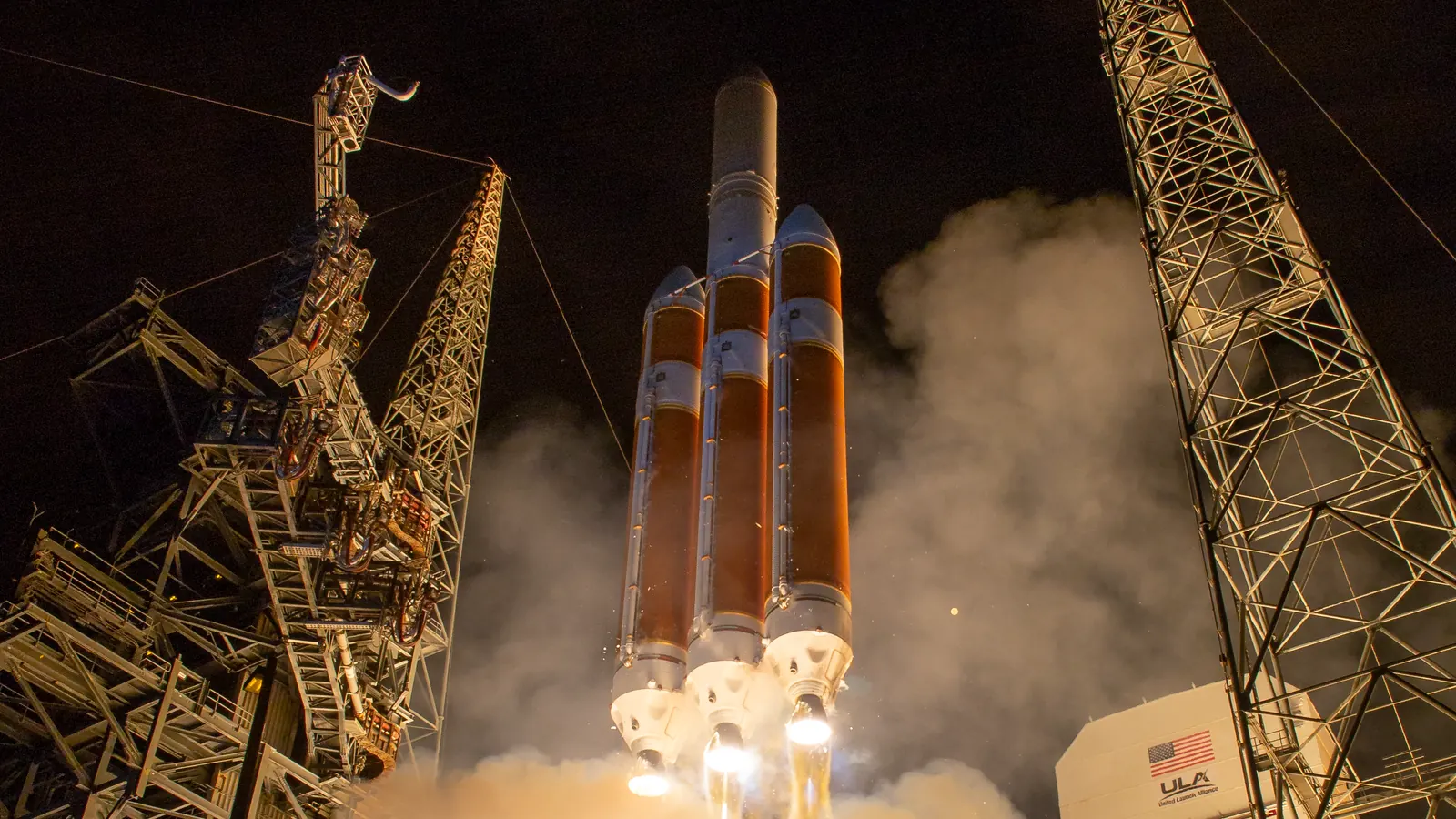
How fast is the Parker Solar Probe? Top speed and orbit
At closest approach the Parker Solar Probe reaches about 430,000 mph (692,000 km/h) relative to the Sun. On Oct. 11, 2026, it was doing just 13.9 km/s.
-
What are China's Qianfan and Guowang constellations?
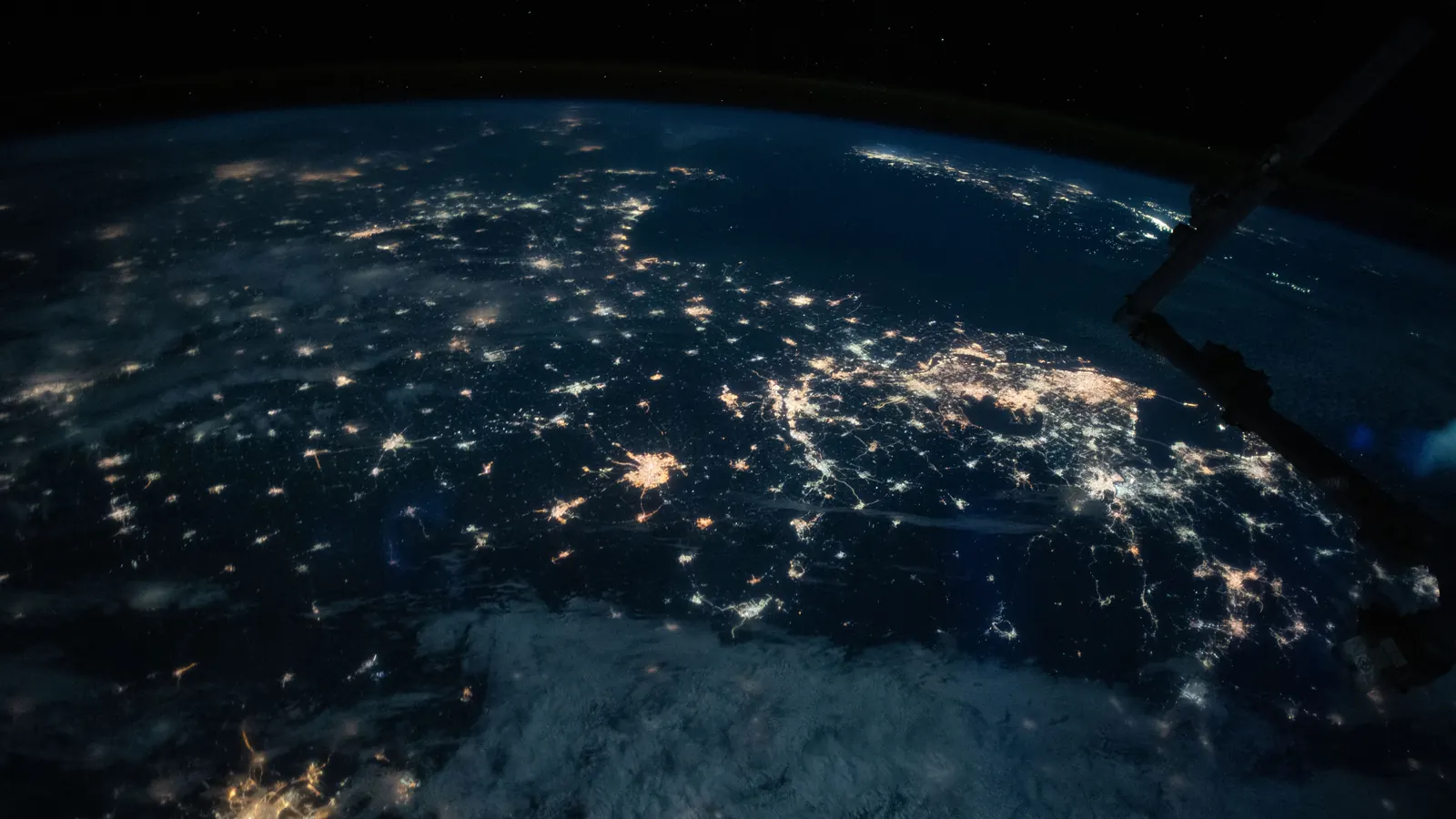
China's Qianfan and Guowang satellite constellations had 477 satellites on CelesTrak's active list on October 11, 2026, toward plans of about 15,000 and 13,000.
-
Where does space begin? The Kármán line, 100 km or 80 km
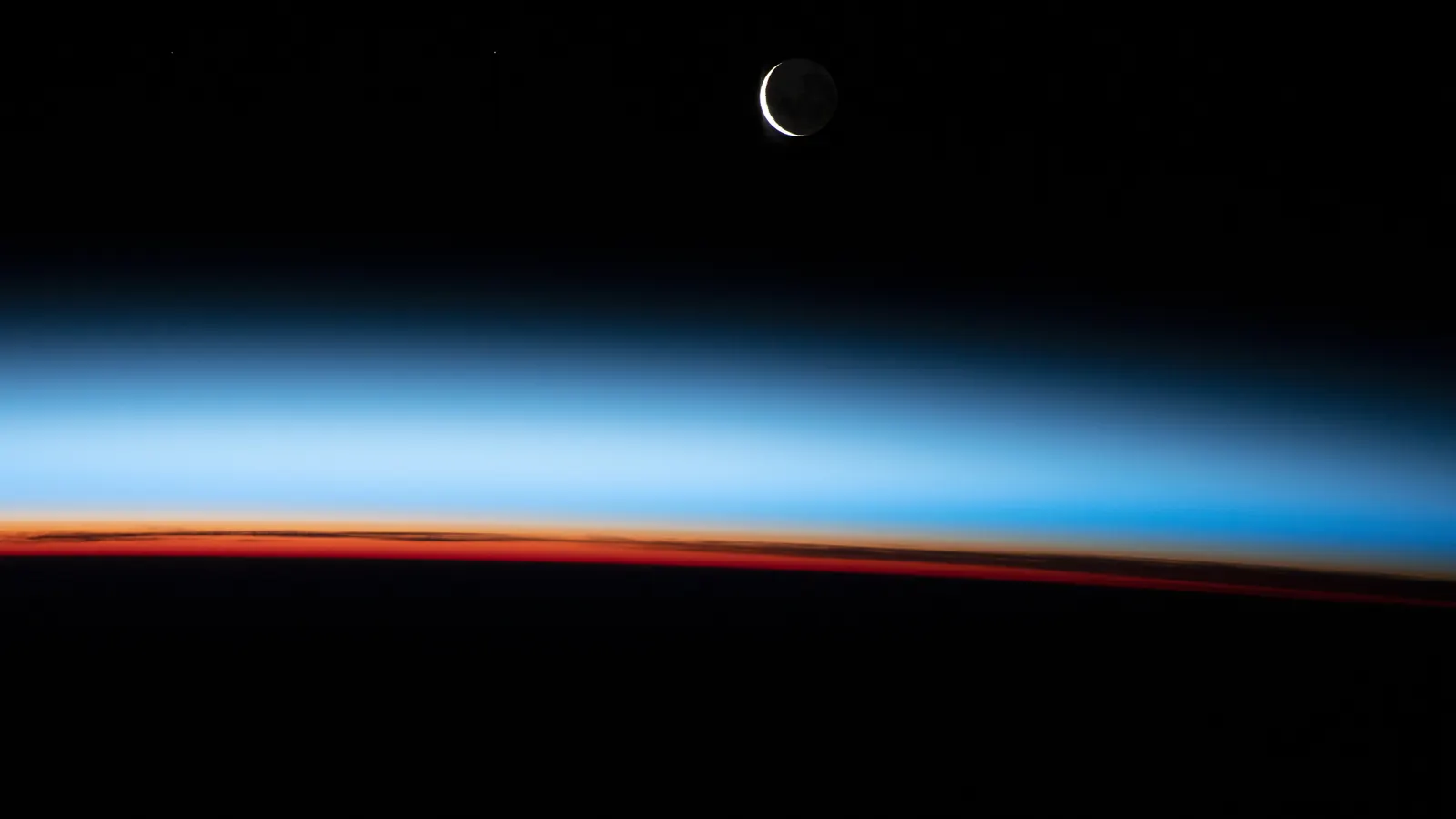
Where does space begin? FAI's Kármán line is 100 km (62 miles), the US uses 50 miles (80 km), and no law sets it. Nothing in our Oct 11 data was below 164.7 km.
-
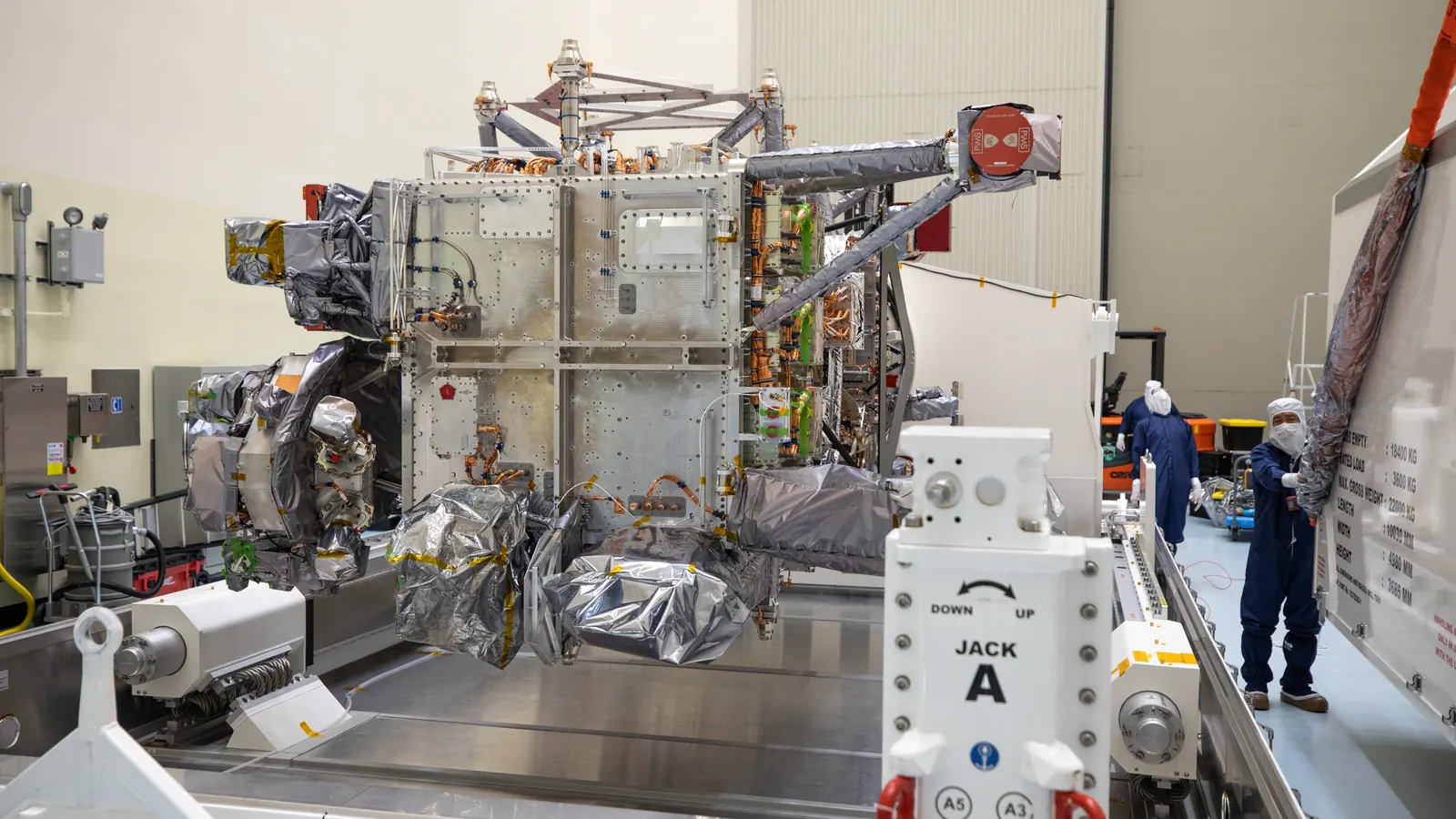
Where is Europa Clipper now? Distance and the Earth flyby
Europa Clipper was 59.0 million km from Earth on October 11, 2026, and closer to the Sun than Earth is. It swings past Earth on December 3, bound for Jupiter.
-
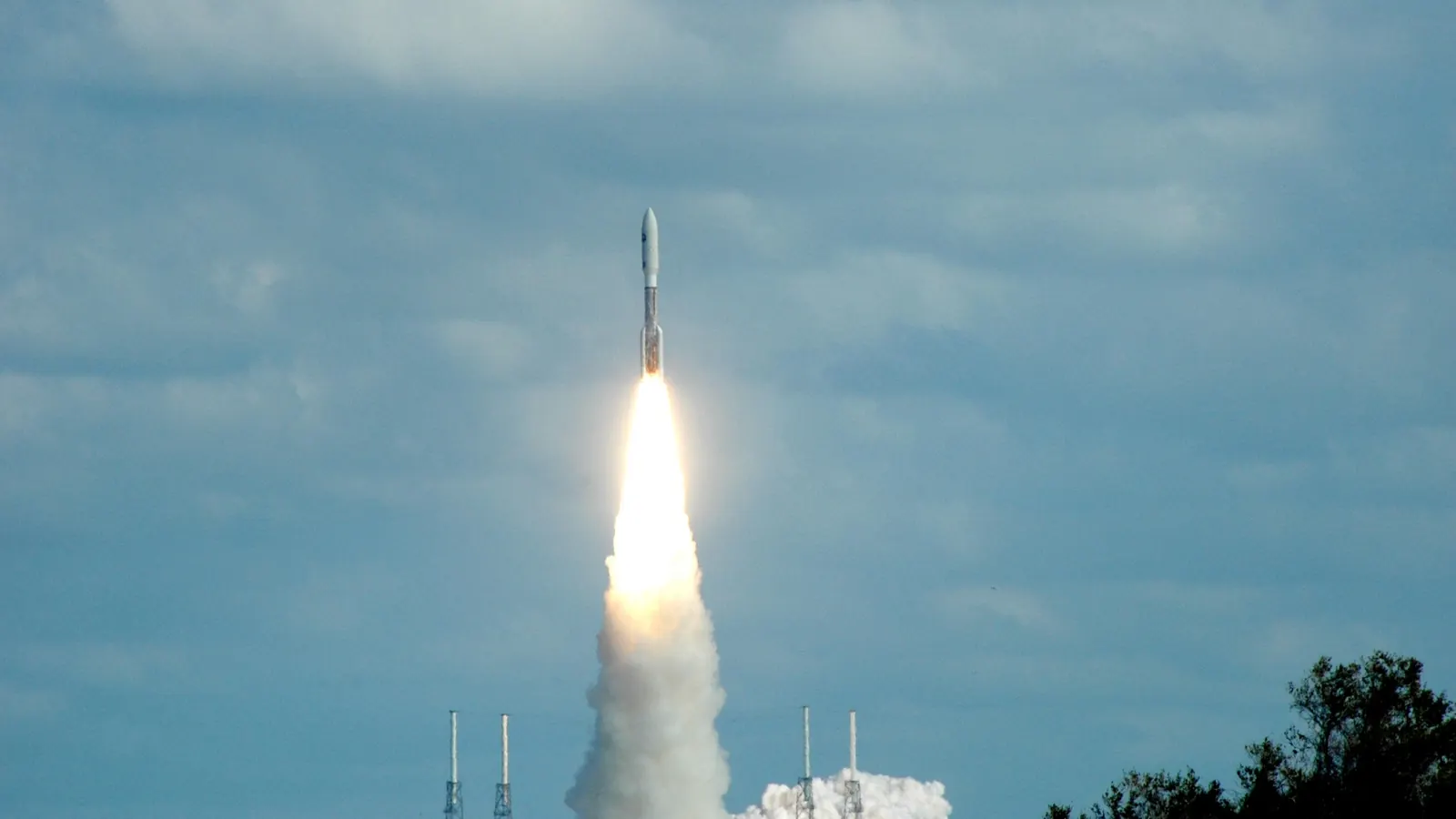
Where is New Horizons now? Distance, speed and what's next
New Horizons was 65.77 AU from the Sun on October 8, 2026, and its signals took 9 hours 6 minutes to reach Earth. It's still inside the heliosphere.
Home · Live satellite map · Satellite directory · Starlink · OneWeb · Navigation satellites · Space stations · Other active satellites · Track the ISS · ISS visible passes · Starlink train · Rocket launches · Aurora forecast · Humans in space · Solar System · Deep Space · Embed widgets · Blog · Guide: spot the ISS · Guide: what is a TLE? · Guide: how many satellites? · Guide: satellite trackers compared · Discovery: Elias 2-24 b · About · FAQ · Data & methodology · Credits · Editorial policy · Accessibility · Contact · Privacy · Terms
© 2026 WatchSat · Not affiliated with any space agency or satellite operator.