Aurora
Northern and southern lights: when geomagnetic storms push auroras toward lower latitudes, and how to read the forecast for your sky.
Top stories
-
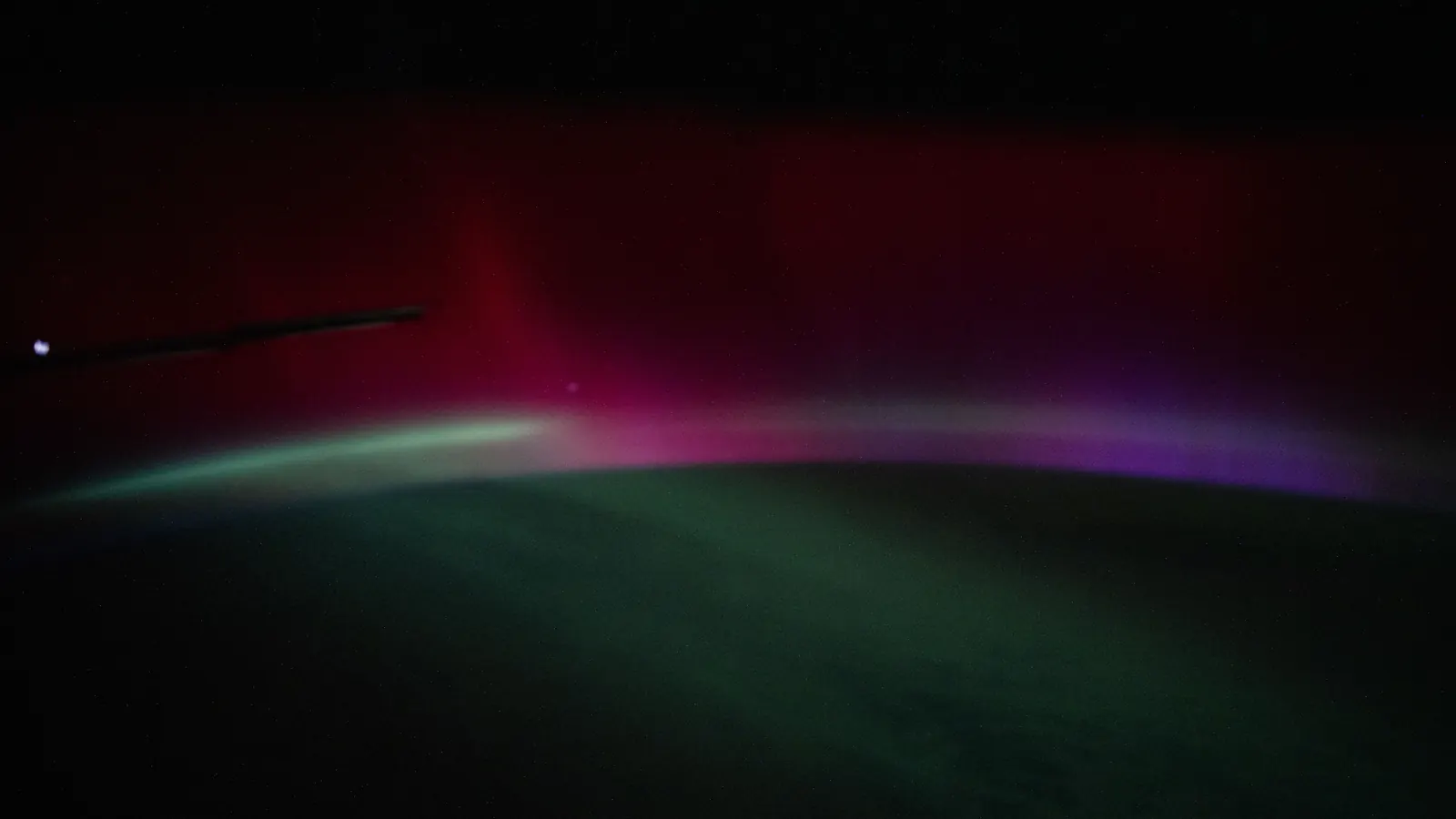
What is the Kp index? How to read an aurora forecast
The Kp index rates geomagnetic activity from 0 to 9 every three hours. Kp 5 is a G1 storm, and each step brings the aurora about 2 degrees nearer the equator.
-
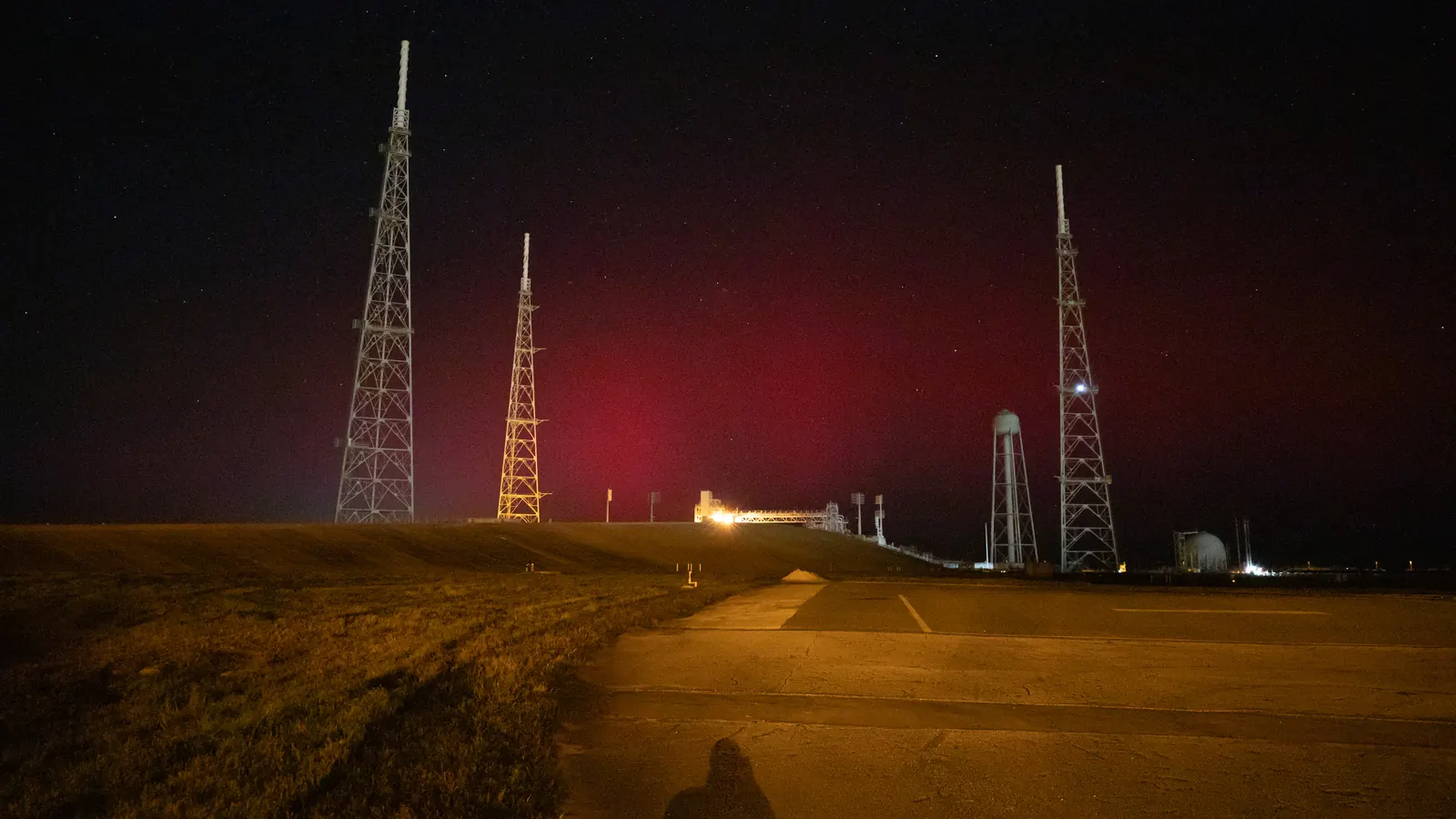
What causes the northern lights? Solar wind and colors
Particles from the Sun, steered to the poles by Earth's magnetic field, make oxygen and nitrogen glow mostly 100 to 200 km up. The Sun peaked in October 2024.
-
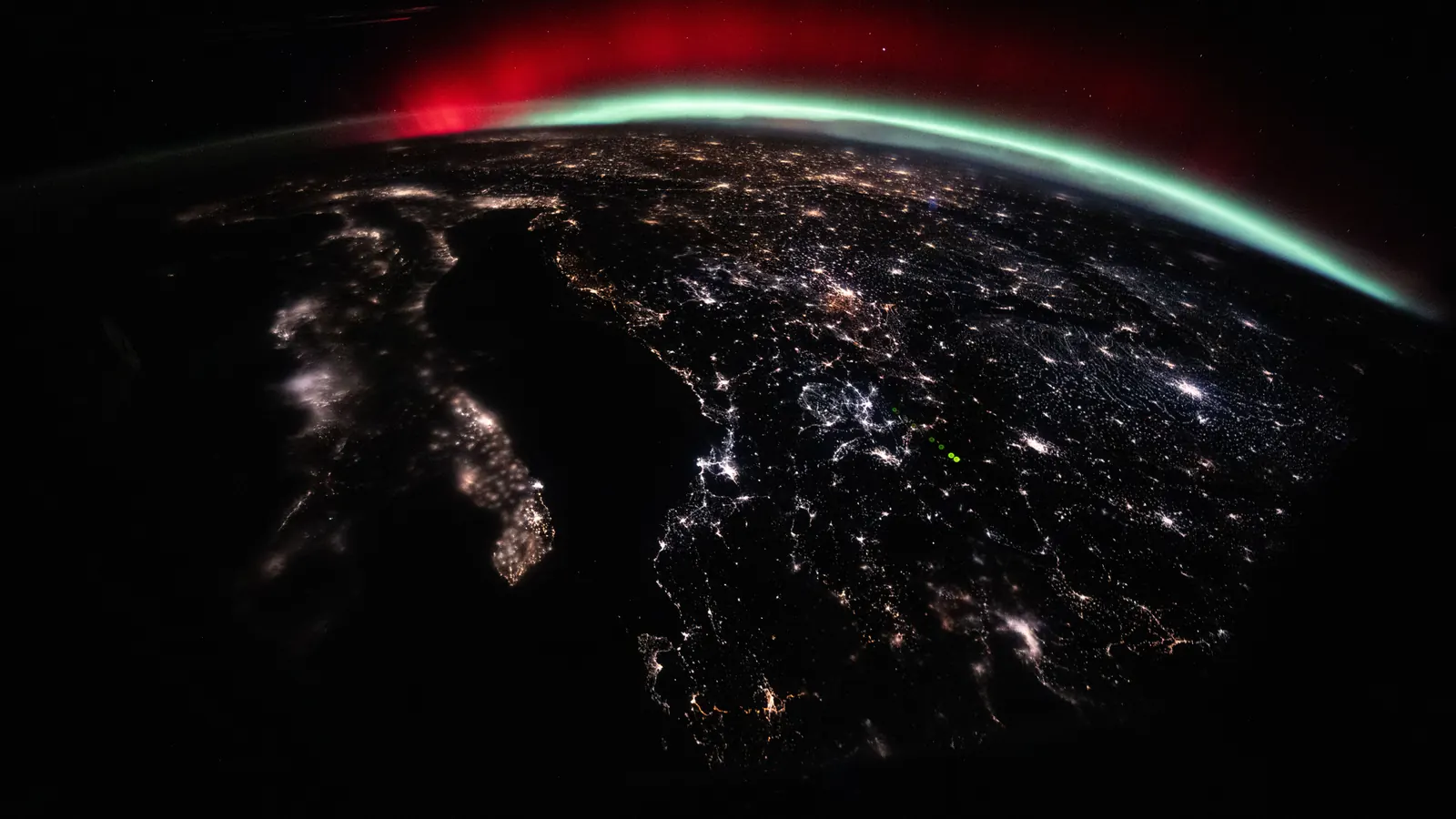
October 10 geomagnetic storm reached G3: aurora outlook
A coronal mass ejection drove a G3 (strong) geomagnetic storm on October 10, 2026. What NOAA measured, who saw aurora and what comes next.
Home · Live satellite map · Satellite directory · Starlink · OneWeb · Navigation satellites · Space stations · Other active satellites · Track the ISS · ISS visible passes · Starlink train · Rocket launches · Aurora forecast · Humans in space · Solar System · Deep Space · Embed widgets · Blog · Guide: spot the ISS · Guide: what is a TLE? · Guide: how many satellites? · Guide: satellite trackers compared · Discovery: Elias 2-24 b · About · FAQ · Data & methodology · Credits · Editorial policy · Accessibility · Contact · Privacy · Terms
© 2026 WatchSat · Not affiliated with any space agency or satellite operator.